

Engie plans India renewable and battery expansion as market reforms open growth path

India is becoming a bigger focus for global clean energy developers as the country pushes to expand non-fossil fuel capacity and attract fresh investment. Engie says recent market reforms are improving conditions for the French utility to scale up renewable power and battery storage development there.
Highlights
- Engie plans to grow its India renewables and battery business, aiming to increase capacity from 2 GW to 7 GW by 2030 following market reforms.
- India targets 500 GW of non-fossil fuel capacity by 2030 and seeks $220 billion of clean energy investment in the next three years, boosting opportunities for developers.
- Transmission infrastructure lag has temporarily limited renewable expansion, causing curtailments, but Engie expects this constraint to be resolved as networks develop.
India growth plan and market reforms
As reported by Reuters, Engie sees India as a key investment destination for renewables and battery storage after changes in the power market, including the opening of a power exchange and the authorisation of hedging rather than only physical delivery.Amit Jain, Engie's country manager in India, said on Thursday that the company is well positioned to grow as the market evolves. He said Engie is planning to scale up its presence in the country as these reforms create more room for expansion.
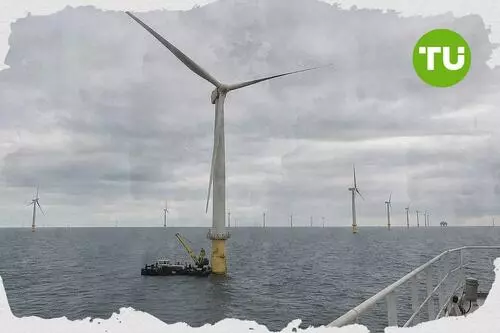
Engie has just finished developing 450 megawatts of solar capacity in India across two projects. The company currently has 2 gigawatts of solar capacity in operation or under development in the country and plans to increase that to 7 GW by 2030.
Clean energy demand and infrastructure constraints
India is targeting 500 GW of non-fossil fuel capacity by 2030 and is seeking $220 billion of clean energy investment over the next three years, creating a large pipeline for developers and storage operators.Jain said the Indian market is offering significant growth opportunities and that land is not a constraint at the moment. He added that renewable expansion in recent years has been limited at times by transmission infrastructure, which has led to power curtailments.
According to Jain, those curtailments stem from a mismatch between the pace of renewable development and the build-out of transmission networks. He said he expects the issue to be temporary.
Our earlier article on India’s September merchandise trade deficit explained that the gap widened to $30.21 billion as imports outpaced exports, with the higher bill linked in part to elevated crude oil prices. We also noted that persistently high energy costs and external risks can strain the country’s broader external balance, underscoring why reducing reliance on imported fuels remains an important backdrop for India’s longer-term energy transition.






Latest Engie News



-
 Afghanistan
-
 Albania
-
 Algeria
-
 Angola
-
 Argentina
-
 Armenia
-
 Australia
-
 Austria
-
 Azerbaijan
-
 Bahamas
-
 Bahrain
-
 Bangladesh
-
 Belarus
-
 Belgium
-
 Bolivia
-
 Botswana
-
 Brazil
-
 Brunei
-
 Bulgaria
-
 Cambodia
-
 Cameroon
-
 Canada
-
 Chile
-
 China
-
 Colombia
-
 Congo
-
 Costa Rica
-
 Cote d'Ivoire
-
 Croatia
-
 Cuba
-
 Cyprus
-
 Czechia
-
 DR Congo
-
 Denmark
-
 Dominican Republic
-
 Ecuador
-
 Egypt
-
 El Salvador
-
 Estonia
-
 Eswatini
-
 Ethiopia
-
 Finland
-
 France
-
 Georgia
-
 Germany
-
 Ghana
-
 Greece
-
 Haiti
-
 Hong Kong
-
 Hungary
-
 India
-
 Indonesia
-
 Iran, Islamic republic
-
 Iraq
-
 Ireland
-
 Israel
-
 Italy
-
 Jamaica
-
 Japan
-
 Jordan
-
 Kazakhstan
-
 Kenya
-
 Korea
-
 Kuwait
-
 Kyrgyzstan
-
 Laos
-
 Latvia
-
 Lebanon
-
 Lesotho
-
 Libya
-
 Lithuania
-
 Luxembourg
-
 Madagascar
-
 Malaysia
-
 Malta
-
 Mauritius
-
 Mexico
-
 Moldova
-
 Mongolia
-
 Montenegro
-
 Morocco
-
 Mozambique
-
 Myanmar
-
 Namibia
-
 Nepal
-
 Netherlands
-
 New Zealand
-
 Nigeria
-
 North Macedonia
-
 Norway
-
 Oman
-
 Pakistan
-
 Palestine
-
 Panama
-
 Papua New Guinea
-
 Paraguay
-
 Peru
-
 Philippines
-
 Poland
-
 Portugal
-
 Puerto Rico
-
 Qatar
-
 Reunion
-
 Romania
-
 Rwanda
-
 Saudi Arabia
-
 Serbia
-
 Singapore
-
 Slovakia
-
 Slovenia
-
 Somalia
-
 South Africa
-
 Spain
-
 Sri Lanka
-
 Sweden
-
 Switzerland
-
 Syria
-
 Taiwan
-
 Tajikistan
-
 Tanzania
-
 Thailand
-
 Trinidad and Tobago
-
 Tunisia
-
 Turkey
-
 UAE
-
 Uganda
-
 Ukraine
-
 United Kingdom
-
United States
-
 Uruguay
-
 Uzbekistan
-
 Venezuela
-
 Vietnam
-
 Yemen
-
 Zambia
-
 Zimbabwe
- Forex
- Crypto












