

South Korea stocks slump challenges confidence in equities push

South Korea’s stock market reversal is deepening pressure on the government after officials promoted equities as an alternative to property investment. The selloff has erased more than $1 trillion in market value, while Seoul home prices keep rising and intensify frustration among retail investors.
Highlights
- South Korea's benchmark Kospi has fallen over 40% from its June AI-driven peak, reversing earlier retail investor gains.
- Seoul property prices have risen for a record 91 consecutive weeks, intensifying dissatisfaction among investors who shifted away from real estate.
- The stock market downturn and ongoing property strength are undermining public confidence in South Korea's leadership and fueling political risk concerns.
Market reversal after record June rally
As reported by Bloomberg, individual investors say they responded to the government’s message to favor the stock market over real estate when authorities highlighted the Kospi’s artificial intelligence-driven rise to a record high in June.That trade has since turned sharply against them. The benchmark Kospi has fallen more than 40% from its peak as the global technology rally unravels, leaving day traders with steep losses and turning a former political success story into a source of backlash.
Property gains add to investor anger
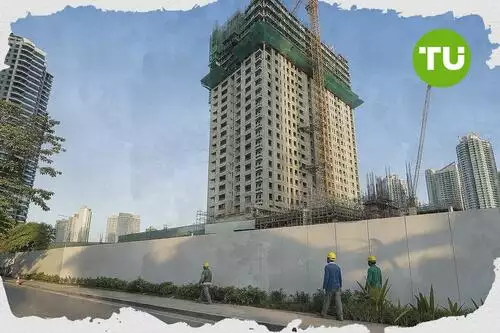
The pressure on policymakers is growing because the market downturn is unfolding alongside continued strength in housing. Property prices in Seoul have climbed for a record 91 consecutive weeks, undermining the case that households should shift savings away from real estate.The contrast is testing public confidence in South Korea’s leadership and in its broader market narrative. What had been presented as proof of a strong equity market is now exposing political risk as retail investors question the government’s guidance.
In our earlier article on the Nasdaq 100 and the launch of the JQQQ blockchain-native fund, we noted that the index was under short- and medium-term selling pressure despite the product’s potential to broaden long-term investor access. The piece highlighted mixed technical signals and warned that downside risk could stay elevated unless prices regained key resistance, underscoring how quickly sentiment can turn when a tech-led rally starts to unwind.






Latest Housing Market News



-
 Afghanistan
-
 Albania
-
 Algeria
-
 Angola
-
 Argentina
-
 Armenia
-
 Australia
-
 Austria
-
 Azerbaijan
-
 Bahamas
-
 Bahrain
-
 Bangladesh
-
 Belarus
-
 Belgium
-
 Bolivia
-
 Botswana
-
 Brazil
-
 Brunei
-
 Bulgaria
-
 Cambodia
-
 Cameroon
-
 Canada
-
 Chile
-
 China
-
 Colombia
-
 Congo
-
 Costa Rica
-
 Cote d'Ivoire
-
 Croatia
-
 Cuba
-
 Cyprus
-
 Czechia
-
 DR Congo
-
 Denmark
-
 Dominican Republic
-
 Ecuador
-
 Egypt
-
 El Salvador
-
 Estonia
-
 Eswatini
-
 Ethiopia
-
 Finland
-
 France
-
 Georgia
-
 Germany
-
 Ghana
-
 Greece
-
 Haiti
-
 Hong Kong
-
 Hungary
-
 India
-
 Indonesia
-
 Iran, Islamic republic
-
 Iraq
-
 Ireland
-
 Israel
-
 Italy
-
 Jamaica
-
 Japan
-
 Jordan
-
 Kazakhstan
-
 Kenya
-
 Korea
-
 Kuwait
-
 Kyrgyzstan
-
 Laos
-
 Latvia
-
 Lebanon
-
 Lesotho
-
 Libya
-
 Lithuania
-
 Luxembourg
-
 Madagascar
-
 Malaysia
-
 Malta
-
 Mauritius
-
 Mexico
-
 Moldova
-
 Mongolia
-
 Montenegro
-
 Morocco
-
 Mozambique
-
 Myanmar
-
 Namibia
-
 Nepal
-
 Netherlands
-
 New Zealand
-
 Nigeria
-
 North Macedonia
-
 Norway
-
 Oman
-
 Pakistan
-
 Palestine
-
 Panama
-
 Papua New Guinea
-
 Paraguay
-
 Peru
-
 Philippines
-
 Poland
-
 Portugal
-
 Puerto Rico
-
 Qatar
-
 Reunion
-
 Romania
-
 Rwanda
-
 Saudi Arabia
-
 Serbia
-
 Singapore
-
 Slovakia
-
 Slovenia
-
 Somalia
-
 South Africa
-
 Spain
-
 Sri Lanka
-
 Sweden
-
 Switzerland
-
 Syria
-
 Taiwan
-
 Tajikistan
-
 Tanzania
-
 Thailand
-
 Trinidad and Tobago
-
 Tunisia
-
 Turkey
-
 UAE
-
 Uganda
-
 Ukraine
-
 United Kingdom
-
United States
-
 Uruguay
-
 Uzbekistan
-
 Venezuela
-
 Vietnam
-
 Yemen
-
 Zambia
-
 Zimbabwe
- Forex
- Crypto












