Michael Kim Net Worth, Biography and Key Insights

Michael Kim’s Profile Summary
|
Company
|
MBK Partners |
|---|---|
|
Position
|
Chairman |
|
Source of wealth
|
Private equity investments |
|
Also known as
|
Michael B. Kim |
|
Age
|
63 |
|
Education
|
BA from Haverford College, MBA from Harvard Business School |
|
Citizenship
|
South Korea |
|
Residence
|
Seoul, South Korea |
|
Family
|
Married, with children |
|
Website, Social Media
|
Biography
Michael ByungJu Kim, born in 1963 in South Korea, is a prominent figure in the private equity landscape of Asia. He pursued higher education in the United States, earning a Bachelor of Arts with Honors from Haverford College, where he was inducted into Phi Beta Kappa. Furthering his academic credentials, Kim obtained an MBA from Harvard Business School and was also a Fulbright Scholar.Kim's professional journey began in the finance sector, where he held significant positions at major financial institutions. He served as an Executive Director at Goldman Sachs & Co., followed by a role as Managing Director and Chief Operating Officer of Asia-Pacific Investment Banking at Salomon Smith Barney. His career trajectory continued upward as he became President of Carlyle Asia Partners and a member of The Carlyle Group’s Management Committee.
In 2005, leveraging his extensive experience, Kim co-founded MBK Partners, a private equity firm headquartered in Seoul, South Korea. Under his leadership as Chairman, MBK Partners has grown to manage over $30 billion in assets, focusing primarily on investments in North Asia. The firm's portfolio includes notable companies such as Godiva Japan and HKBN, a Hong Kong-based telecommunications operator.
Beyond his corporate endeavors, Kim is actively involved in philanthropic and educational initiatives. He chairs the Board of Managers at Haverford College and has served on the boards of esteemed institutions, including the Metropolitan Museum of Art and Carnegie Hall. His contributions to both the financial sector and the arts have solidified his reputation as a leading figure in global finance and philanthropy.
-
How did Michael Kim make money?
Michael Kim’s path to wealth began with his experience in investment banking. He worked at Goldman Sachs and Salomon Smith Barney, where he gained valuable insight into mergers and acquisitions. In 1999, he joined The Carlyle Group and was instrumental in expanding its Asian operations, helping the firm grow its presence in the region.
In 2005, recognizing the growing opportunities in North Asia’s private equity market, Kim founded MBK Partners. The firm quickly gained traction, focusing on leveraged buyouts and strategic investments across South Korea, Japan, and China. One of MBK Partners' first major deals was the acquisition of the Japanese operations of the Godiva chocolate brand.
A landmark deal came in 2015 when MBK Partners acquired Tesco’s Korean business, Homeplus, for $6.1 billion — one of the largest private equity transactions in Asia at the time. The firm also made significant investments in healthcare, including China's Luye Pharma and South Korea's ING Life Insurance, which later went public.
Under Kim's leadership, MBK Partners expanded its portfolio across various industries, managing assets exceeding $30 billion. His ownership stake in MBK Partners, coupled with successful exits from major investments, has been the primary driver of his wealth. Today, MBK Partners is one of the most respected private equity firms in Asia, and Kim’s net worth is estimated at over $9 billion. -
What is Michael Kim net worth?
As of 2026, Michael Kim’s net worth is estimated to be $9.7B.
What is Michael Kim also known as?
Michael Kim is often called the "Godfather of Asian Private Equity" for his pioneering role in the industry. His firm, MBK Partners, is one of the largest independent private equity companies in the region.Prominent achievements
Michael Kim co-founded MBK Partners, which has grown to manage over $30 billion in assets. His leadership resulted in some of Asia’s largest private equity deals, including the $6.1 billion acquisition of Homeplus. His achievements have established him as one of the most successful private equity investors in the region.What are Michael Kim’s key insights?
Michael Kim advocates for long-term investments and sustainable growth. He emphasizes humility and credits much of his success to good fortune and teamwork. He believes in continuous learning and adaptability in an ever-changing business environment.
Personal life
Michael Kim is married and has children. However, he keeps details about his personal life private, maintaining a low profile despite his business success.
Useful insights
Leading with purpose and integrity
To achieve long-lasting success, leading with integrity and purpose is crucial. Mary Barra, CEO of General Motors, demonstrates how strong leadership can propel you forward in your career or business.
-
Define your purpose and align it with your goals
Mary Barra emphasizes the importance of having a clear purpose. Identify your core values and ensure that your actions align with these values. This will give you the clarity and motivation needed to succeed, especially in challenging times.
-
Adapt to innovation and stay flexible
Barra's success is tied to her ability to guide GM through a transition toward electric vehicles. Always be open to innovation and stay flexible when markets or industries change. Adaptability is a key trait for anyone aiming to succeed.
-
Empower those around you
Successful leaders know how to empower their teams. By trusting and supporting the people around you, you create a culture of accountability and innovation. Help others succeed, and you’ll find that success naturally follows you as well.
Other profiles in category
Popular Financial Guides
Editors' Top Picks and Insights

Tokenized stocks in the spotlight: How do they work and are they worth trading?

Do politicians make the best stock traders?

Crypto test drive: How automakers are exploring digital assets

Lindsey Graham death: U.S. senator’s crypto legacy

Tether under pressure: USDT in Europe, audit questions, and the fight for trust

Lean Ethereum: Why Buterin wants to rebuild the network
Latest Financial News
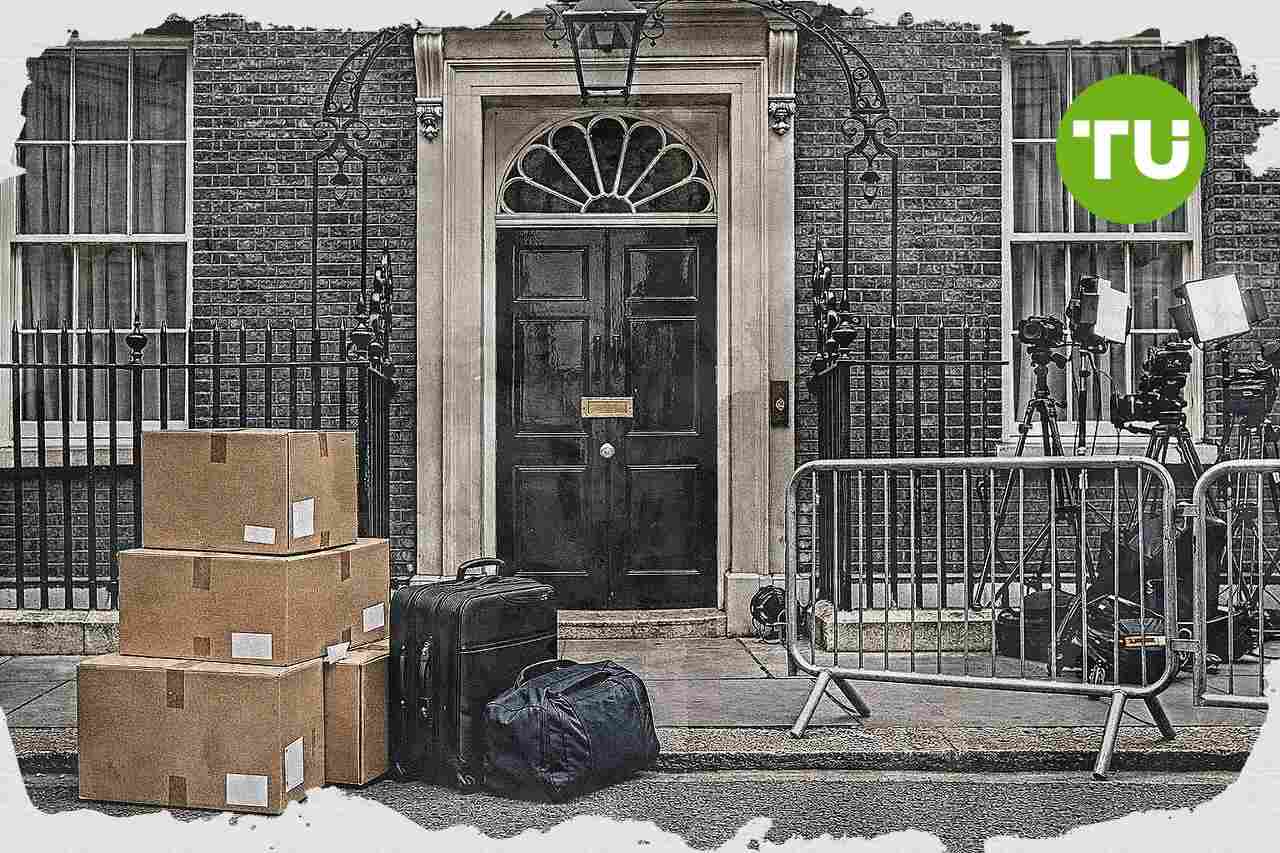
UK government plans early policy push under Burnham premiership

SpaceX shares fall after Starship test flight abort

St James’s Place adviser exits pressure shares and UK wealth operations

-
 Afghanistan
-
 Albania
-
 Algeria
-
 Angola
-
 Argentina
-
 Armenia
-
 Australia
-
 Austria
-
 Azerbaijan
-
 Bahamas
-
 Bahrain
-
 Bangladesh
-
 Belarus
-
 Belgium
-
 Bolivia
-
 Botswana
-
 Brazil
-
 Brunei
-
 Bulgaria
-
 Cambodia
-
 Cameroon
-
 Canada
-
 Chile
Chile
-
 China
China
-
 Colombia
-
 Congo
Congo
-
 Costa Rica
-
 Cote d'Ivoire
-
 Croatia
-
 Cuba
Cuba
-
 Cyprus
-
 Czechia
-
 DR Congo
-
 Denmark
-
 Dominican Republic
-
 Ecuador
-
 Egypt
Egypt
-
 El Salvador
-
 Estonia
-
 Eswatini
-
 Ethiopia
-
 Finland
-
 France
-
 Georgia
-
 Germany
-
 Ghana
Ghana
-
 Greece
-
 Haiti
Haiti
-
 Hong Kong
-
 Hungary
-
 India
India
-
 Indonesia
-
 Iran, Islamic republic
-
 Iraq
Iraq
-
 Ireland
-
 Israel
-
 Italy
Italy
-
 Jamaica
-
 Japan
Japan
-
 Jordan
-
 Kazakhstan
-
 Kenya
Kenya
-
 Korea
Korea
-
 Kuwait
-
 Kyrgyzstan
-
 Laos
Laos
-
 Latvia
-
 Lebanon
-
 Lesotho
-
 Libya
Libya
-
 Lithuania
-
 Luxembourg
-
 Madagascar
-
 Malaysia
-
 Malta
Malta
-
 Mauritius
-
 Mexico
-
 Moldova
-
 Mongolia
-
 Montenegro
-
 Morocco
-
 Mozambique
-
 Myanmar
-
 Namibia
-
 Nepal
Nepal
-
 Netherlands
-
 New Zealand
-
 Nigeria
-
 North Macedonia
-
 Norway
-
 Oman
Oman
-
 Pakistan
-
 Palestine
-
 Panama
-
 Papua New Guinea
-
 Paraguay
-
 Peru
Peru
-
 Philippines
-
 Poland
-
 Portugal
-
 Puerto Rico
-
 Qatar
Qatar
-
 Reunion
-
 Romania
-
 Rwanda
-
 Saudi Arabia
-
 Serbia
-
 Singapore
-
 Slovakia
-
 Slovenia
-
 Somalia
-
 South Africa
-
 Spain
Spain
-
 Sri Lanka
-
 Sweden
-
 Switzerland
-
 Syria
Syria
-
 Taiwan
-
 Tajikistan
-
 Tanzania
-
 Thailand
-
 Trinidad and Tobago
-
 Tunisia
-
 Turkey
-
 UAE
UAE
-
 Uganda
-
 Ukraine
-
 United Kingdom
-
United States
-
 Uruguay
-
 Uzbekistan
-
 Venezuela
-
 Vietnam
-
 Yemen
Yemen
-
 Zambia
-
 Zimbabwe
- Forex
- Crypto











