
Best DeFi Wallets For Secure And Efficient Use


Editorial Note: While we adhere to strict Editorial Integrity, this post may contain references to products from our partners. Here's an explanation for How We Make Money. None of the data and information on this webpage constitutes investment advice according to our Disclaimer.
Best DeFi crypto wallets in 2026:
MetaMask – 21M active users, universal EVM access;
Rabby – auto-chain switch, 25% fewer failed trades;
XDeFi – 30+ chains, built-in DEX aggregator;
Trust Wallet – 110+ networks, staking & gas savings;
Zengo – seedless MPC, phishing-resistant;
Trezor Model T – Shamir backup, offline batch signing;
Ledger – 50+ chains, Secure Element security.
Self-custody matters more than ever in 2026, and choosing the best crypto wallet for DeFi now requires a balance between security, chain compatibility, and practical functionality. Modern DeFi wallets allow users to interact directly with decentralized protocols while keeping full control over their assets. A reliable DeFi wallet review should focus on verified data, real usage patterns, and hands-on experience rather than marketing claims. Whether users rely on DeFi wallet apps for mobile or desktop, selecting the right one from the top DeFi wallets can significantly influence performance and risk management. This guide also explains which wallets support earning opportunities such as staking and liquidity participation, and which options are widely regarded as the safest DeFi wallet choices for storing assets over the long term.
Risk warning: Cryptocurrency markets are highly volatile, with sharp price swings and regulatory uncertainties. Research indicates that 75-90% of traders face losses. Only invest discretionary funds and consult an experienced financial advisor.
Top DeFi wallets of 2026
The most reliable wallets for DeFi users stand out for combining advanced security, multi-chain compatibility, and user-friendly tools that serve both beginners and professional traders. With millions of users worldwide and growing demand for non-custodial solutions, these wallets define how traders store, stake, and grow their digital assets.
| Category | Wallet | Chains / Support | Standout Feature | Why Trader‑Focused |
|---|---|---|---|---|
| Hot Wallet | MetaMask | All EVM chains | 21M MAU, built‑in swaps, broad DApp access | Universal Ethereum access |
| Rabby Wallet | EVM chains | Risk alerts, auto‑chain switch | Fewer failed TX (‑25%) | |
| XDeFi (Ctrl) | +Solana, Cosmos + 30 chains | Multi‑chain window, DEX aggregation | One‑window multi‑chain flow | |
| Mobile‑First | Trust Wallet | 110+ networks | Staking, gas optimization (+20 % savings) | Easy everyday yield |
| Zengo | 6 chains, MPC | Seedless access, beginner‑safe | Phishing‑resistant UX | |
| Hardware / Cold | Trezor Model T | EVM & more | Shamir backup, offline batch signing | Clean long‑term execution |
| Ledger | 50+ chains | Secure Element, staking | Trader ecosystem access | |
| Specialized | Phantom | Solana | NFT gallery, staking, cross‑swap | Solana‑native traders |
| Coinbase Wallet | All EVM | ETH staking, DeFi‑backed BTC loans | Coinbase ecosystem user |
MetaMask
MetaMask remains the default DeFi wallet for Ethereum and all major EVM chains. It offers broad DApp compatibility, built-in token swaps, portfolio views, and deep integration with DeFi, NFTs, and Layer-2 networks. Its massive user base ensures fast support from most protocols. While security depends on user key management, MetaMask is best for traders who want universal EVM access, rapid onboarding, and maximum compatibility across Web3 apps.

Rabby Wallet
Rabby Wallet is built specifically for active DeFi traders on EVM chains. It automatically switches networks, previews transactions, and flags risky contracts before signing. This reduces failed or malicious transactions and improves execution accuracy. Rabby also simulates outcomes before approval, which helps traders avoid costly mistakes. It is best for users who trade frequently across multiple EVM networks and want extra safety, clarity, and efficiency at the transaction level.
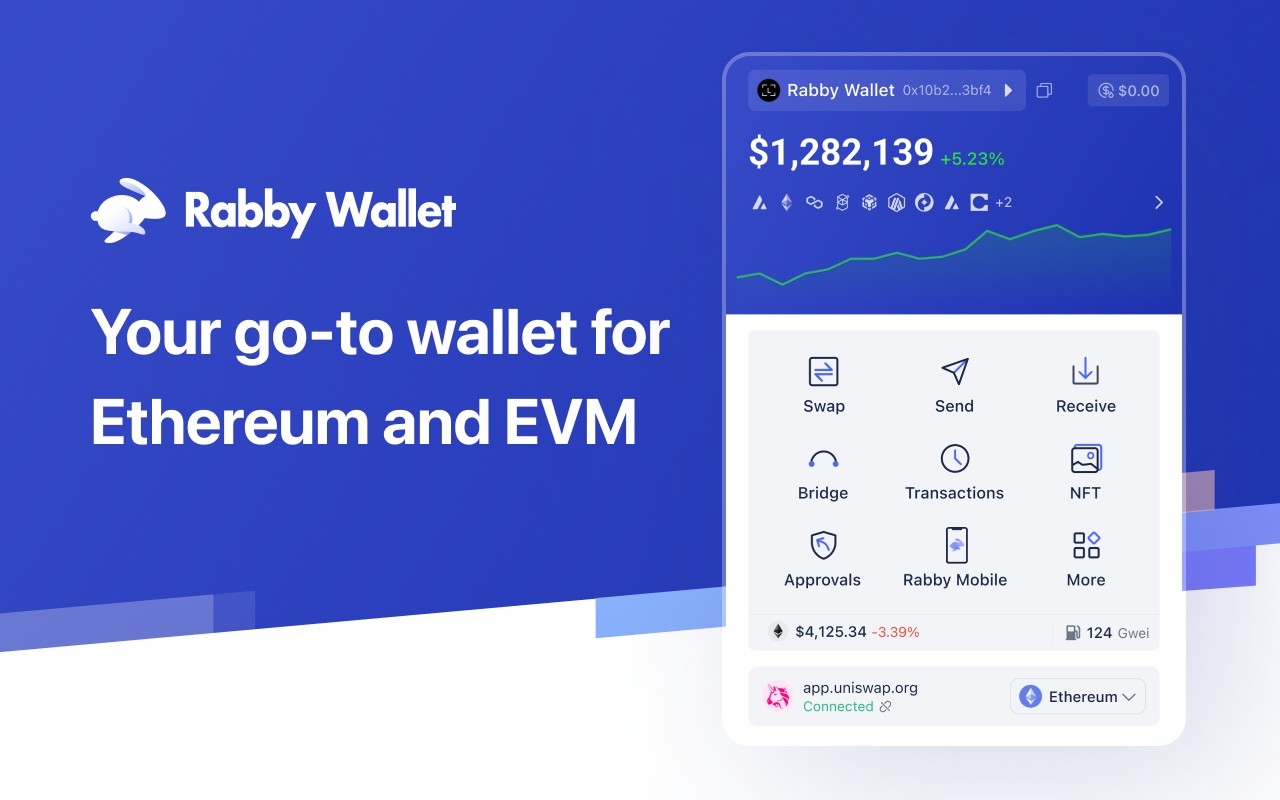
XDEFI Wallet (Ctrl)
XDEFI, now branded as Ctrl, is a true multi-chain wallet supporting EVM, Solana, Cosmos, and dozens of other networks in one interface. It allows traders to manage assets, interact with DEXs, and bridge liquidity without switching wallets. Its unified view and DEX aggregation simplify cross-chain strategies. XDEFI is best for advanced traders who operate across ecosystems and want a single dashboard for multi-chain execution.
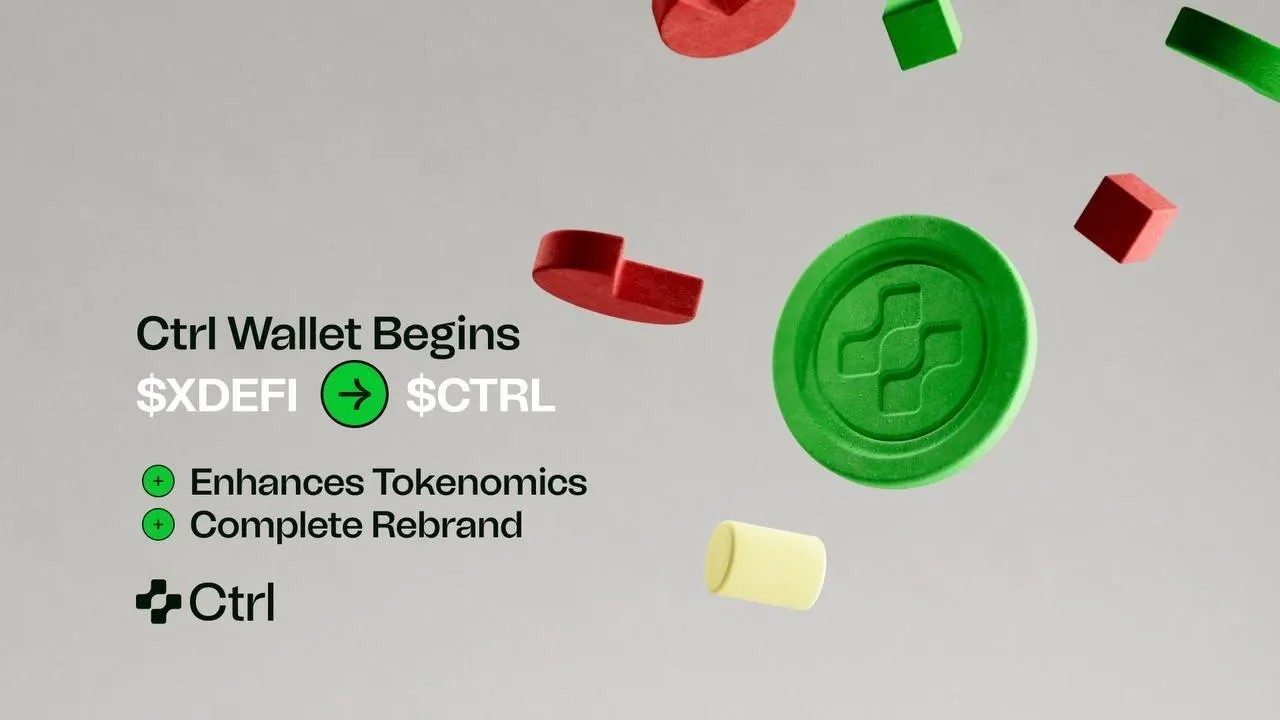
Trust Wallet
Trust Wallet is a mobile-first wallet designed for everyday DeFi use across more than 100 networks. It supports staking, token swaps, NFTs, and gas optimization, making it convenient for frequent on-the-go activity. Its simple interface suits both beginners and active users, while broad chain support enables diversified portfolios. Trust Wallet is best for traders who want easy mobile access, passive yield options, and wide network coverage.
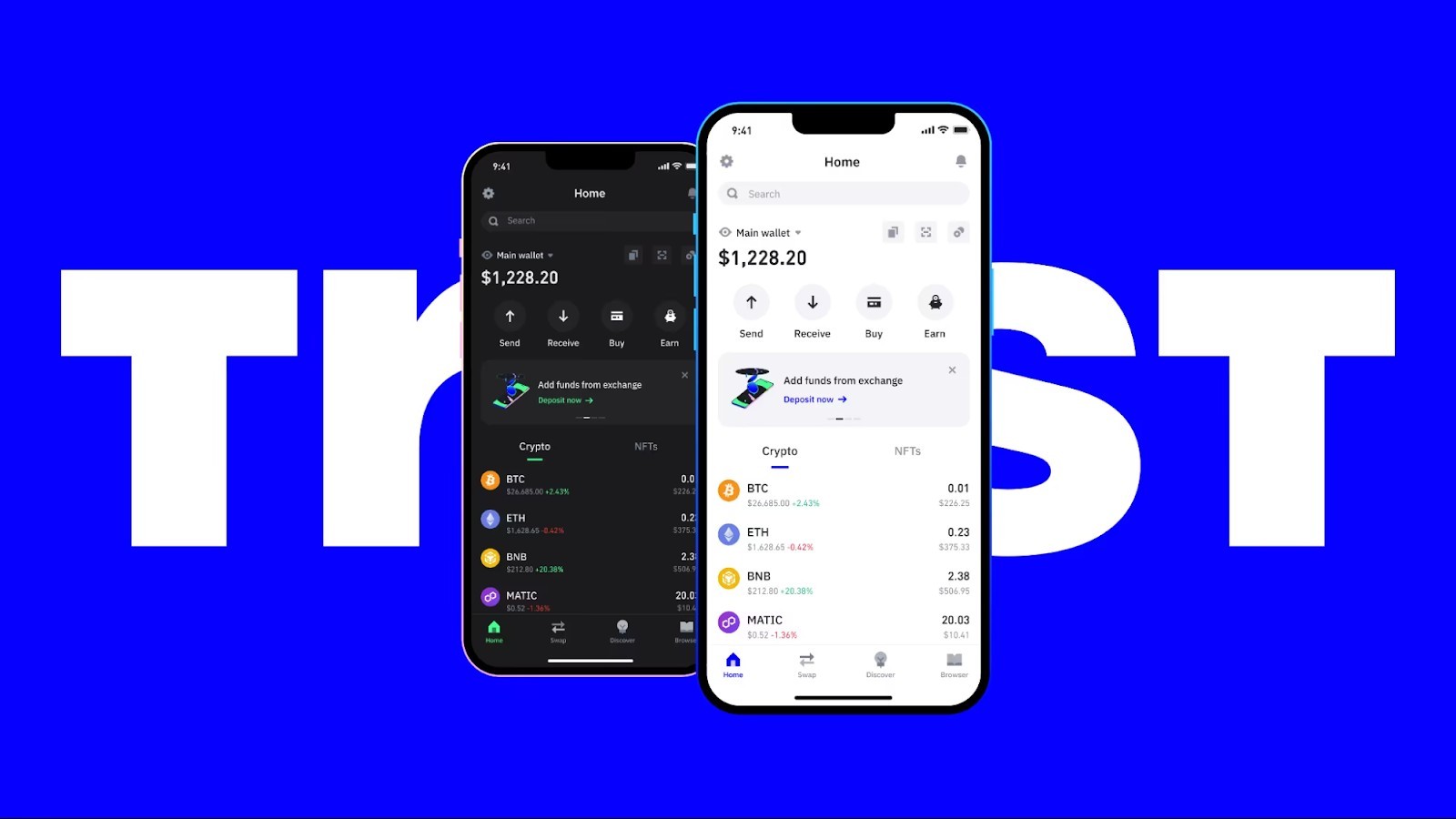
Zengo
Zengo focuses on security and simplicity through MPC technology, removing the need for seed phrases. This design greatly reduces phishing and key-loss risks, making it one of the safest wallets for beginners. While chain support is more limited than power-user wallets, Zengo offers a smooth DeFi and NFT experience with strong recovery options. It is best for users who prioritize security, ease of use, and stress-free self-custody.
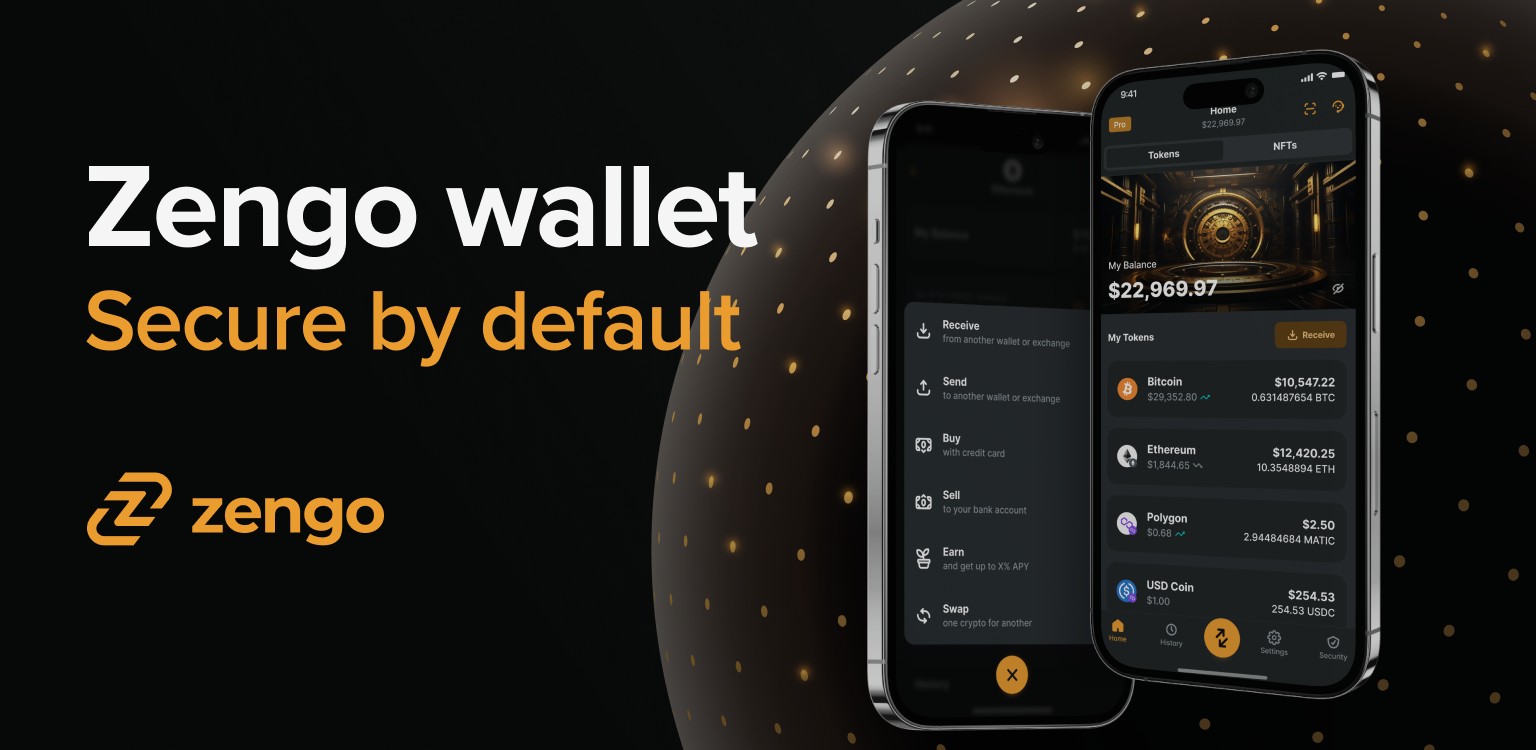
Trezor Model T
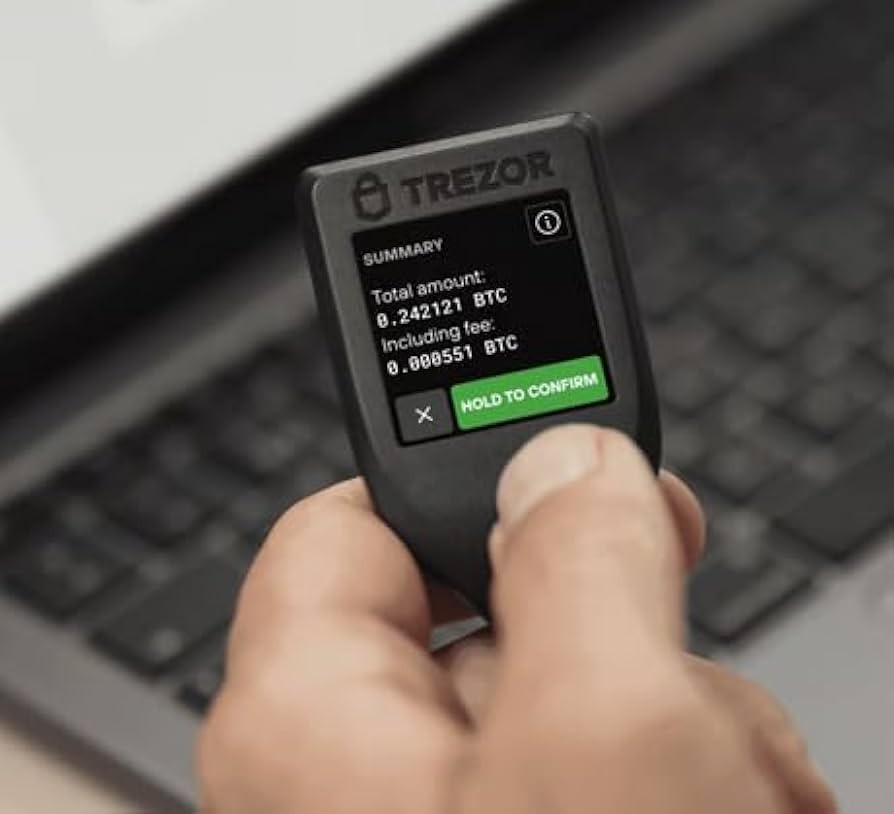
Trezor Model T is a hardware wallet built for long-term asset protection. Private keys remain fully offline, with features like Shamir Backup for advanced recovery planning. It integrates with popular software wallets for DeFi access while maintaining cold-storage security. The Model T is best for traders and investors who hold significant funds, trade selectively, and want maximum protection against hacks, malware, and remote attacks.
Ledger
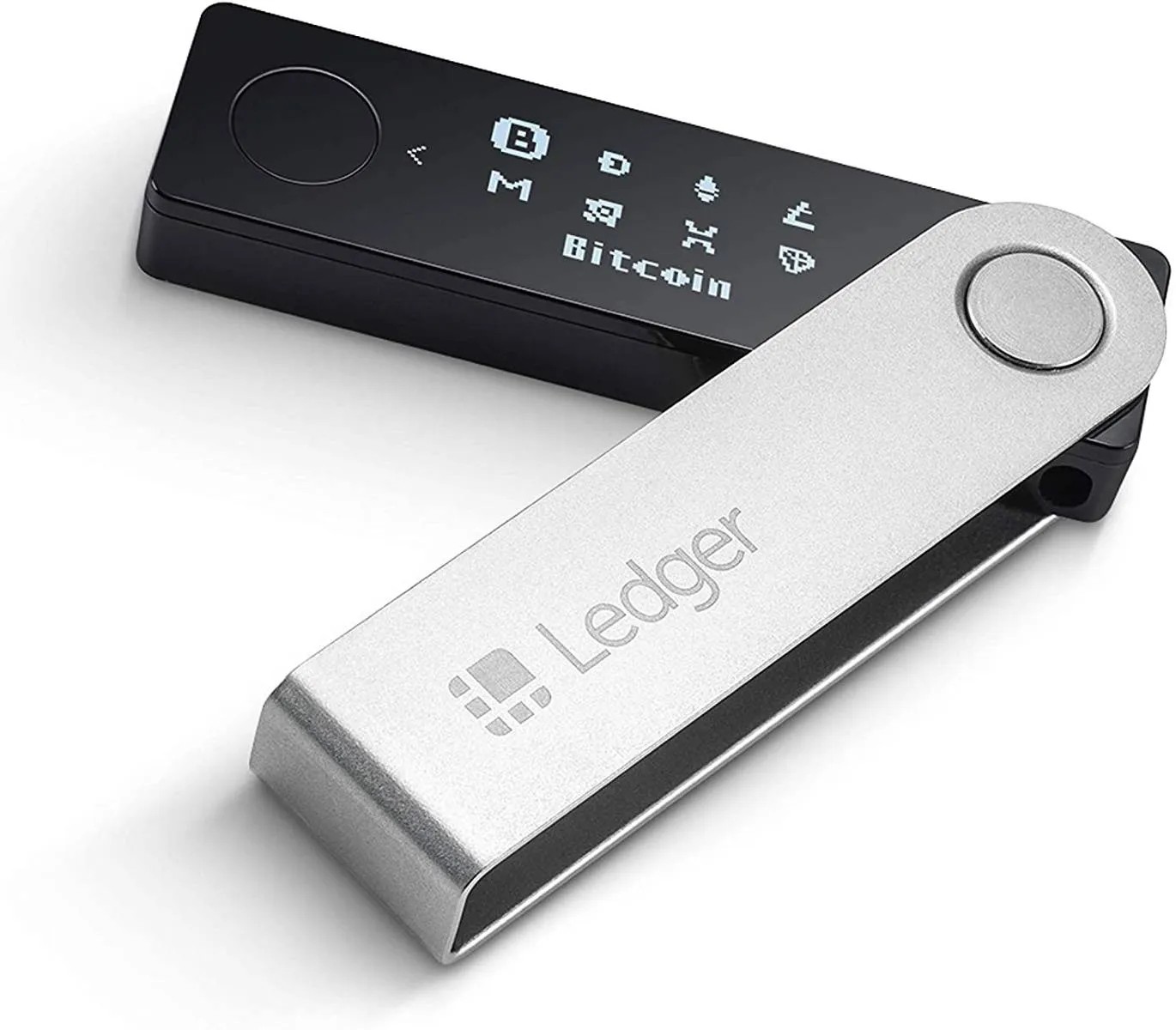
Ledger combines hardware-level security with a broad ecosystem of supported chains and apps. This is the smartest DeFi wallet. Its Secure Element chip protects private keys, while Ledger Live enables staking, portfolio tracking, and DeFi access. Ledger also integrates with many third-party wallets for advanced trading. It is best for serious traders who want cold-wallet security without giving up access to DeFi, NFTs, and multi-chain trading tools.
Phantom
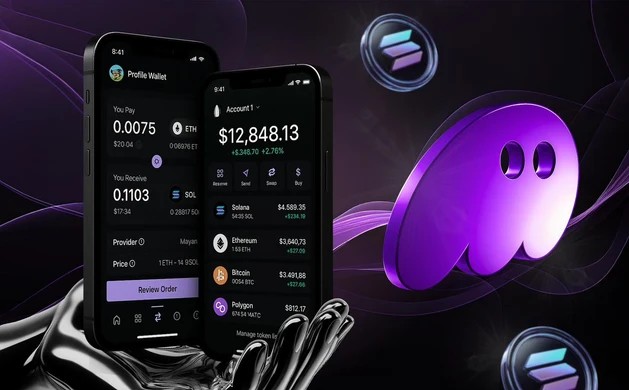
Phantom is the leading wallet for the Solana ecosystem, offering fast transactions, low fees, NFT management, staking, and built-in swaps. Its clean interface and deep Solana integration make it ideal for high-speed trading and on-chain activity. Phantom has expanded cross-chain features but remains strongest on Solana. It is best for traders focused on Solana DeFi, NFTs, and rapid execution.
Coinbase Wallet
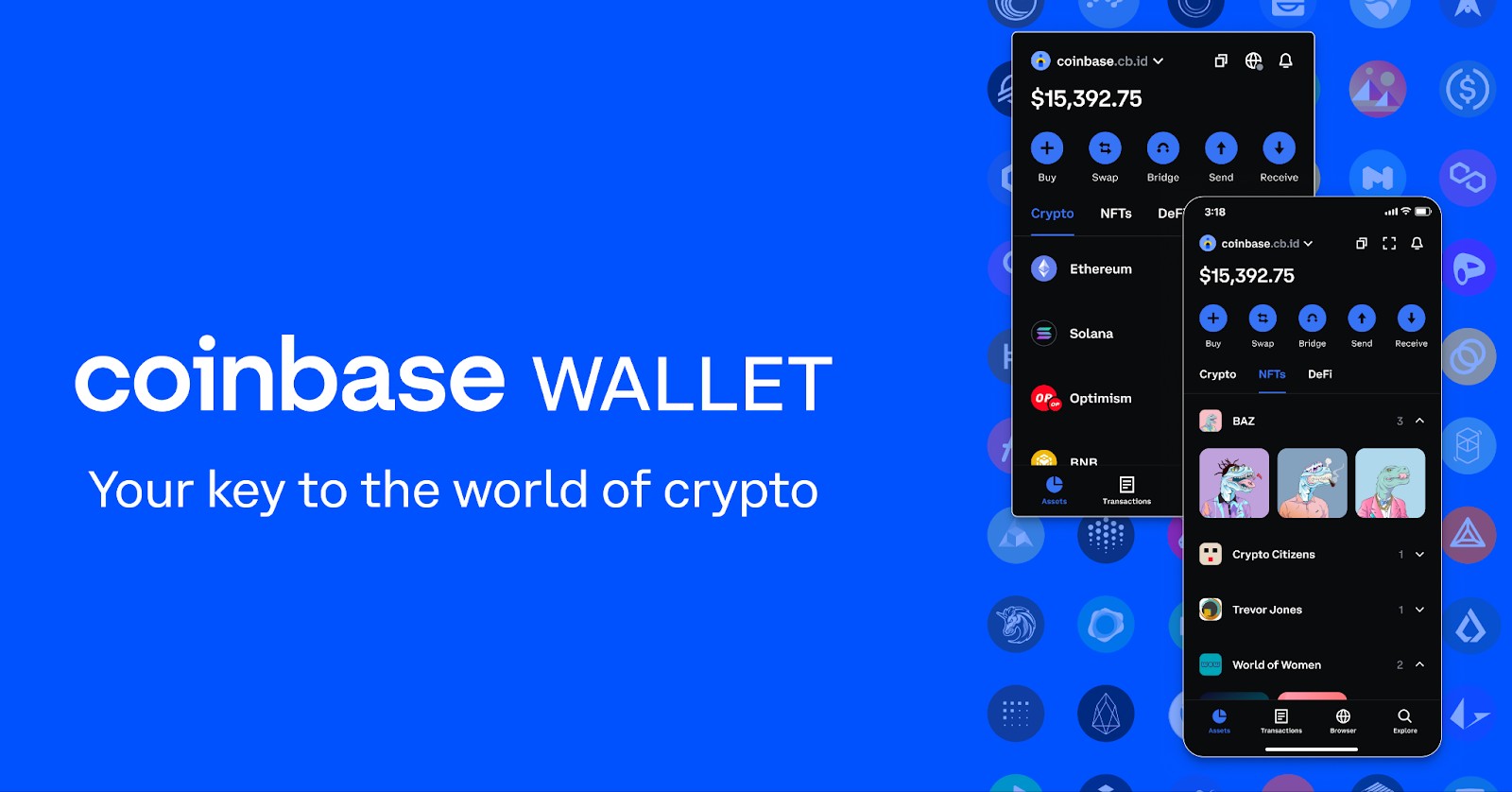
Coinbase Wallet is a self-custody wallet focused on simple DeFi access with strong Coinbase ecosystem ties. It supports Ethereum, Solana, and major EVM networks like Base, Arbitrum, Optimism, Polygon, BNB Chain, and Avalanche, with manual EVM adds. It includes a DApp browser, swaps, and on-chain features like staking in supported flows. Coinbase also offers a seedless “Smart Wallet” option using passkeys for easier onboarding.
What is the best DeFi wallet in 2026
In 2026, the best DeFi wallets are defined by more than basic asset storage. Users expect strong security, broad chain support, and tools that make daily DeFi activity practical. Security remains the core requirement. The safest DeFi wallets use encrypted key storage, transaction previews, and phishing protection, with some relying on MPC or hardware isolation to reduce single-point failures.
Chain coverage is equally important. A wallet designed for DeFi use should support multiple ecosystems so users can move assets efficiently when fees or liquidity change.
Usability and earning features complete the picture. The best DeFi wallet apps simplify swaps, approvals, and gas selection, while also supporting staking or other participation tools directly from the wallet.
Types of DeFi wallets explained
Understanding the different types of DeFi wallets helps users choose tools that match how they trade, store, and interact with decentralized protocols. There is no single wallet design that fits every scenario. Instead, most users combine multiple DeFi wallets based on speed, security, and purpose.
Hot DeFi wallets. Hot wallets are always connected to the internet and are designed for frequent activity such as swaps, staking, and dApp interaction. These include browser extensions and mobile DeFi wallet apps like MetaMask or Trust Wallet. They offer speed and convenience, but require strong user discipline because private keys are exposed to online environments.
Hardware DeFi wallets. Hardware wallets store private keys offline and are widely considered the safest DeFi wallets for long-term storage. Devices like Ledger or Trezor sign transactions offline, which significantly reduces phishing and malware risk. These wallets are less convenient for daily trading but are ideal for holding larger balances securely.
MPC and seedless wallets. MPC-based wallets remove the traditional seed phrase by splitting key control across multiple encrypted components. This design reduces the risk of single-point failure and phishing. Wallets like Zengo are often recommended as a secure crypto wallet for DeFi users who want strong protection without managing recovery phrases.
Browser-based wallets. Browser wallets integrate directly with decentralized applications through extensions. They are popular among active users because they provide instant access to DeFi platforms. While efficient, they depend heavily on transaction previews and approval controls to reduce user error.
Mobile-first wallets. Mobile wallets focus on accessibility and are often the first DeFi wallet apps new users adopt. Many DeFi wallets for iOS and Android, offering biometric security and simplified interfaces. These wallets work well for everyday use, but large balances are usually bet ter stored elsewhere.
Hybrid wallet setups. Many experienced users combine hot and cold wallets. A common setup uses a mobile or browser wallet for active DeFi and a hardware wallet for reserves. This approach balances flexibility with long-term security and is often recommended as the best wallet for DeFi risk management.
Key criteria to focus on when choosing a DeFi wallet
When comparing options, focusing on a small set of practical criteria helps identify the best DeFi wallets to use rather than marketing appeal.
Security model. The safest DeFi wallets use encrypted key storage, transaction previews, phishing protection, or advanced models such as MPC or hardware isolation.
Chain and token support. DeFi wallets should support major ecosystems and tokens so users are not locked into a single network during fee spikes or liquidity shifts.
dApp compatibility. Seamless connection to decentralized applications through built-in browsers or WalletConnect improves efficiency and reduces failed transactions.
Usability and interface design. Clear transaction summaries, simple approvals, and intuitive navigation are essential for active use across multiple protocols.
Earning and participation features. Wallets that support staking, liquidity access, or governance tools offer more value than storage-only solutions.
Backup and recovery options. Reliable recovery methods, including seed backups or seedless designs, are critical for long-term asset protection.
Common mistakes when using DeFi wallets
Even users who choose the best DeFi wallets often lose funds due to avoidable mistakes rather than wallet flaws. Understanding these common errors is just as important as selecting a secure wallet.
One of the most frequent mistakes is approving transactions without reviewing details. Many users rush through confirmations, especially when using DeFi wallet apps, and unknowingly grant unlimited token approvals. This exposes assets to malicious contracts long after the initial transaction. Reviewing approval scope and revoking unused permissions is a basic but often ignored safety step.
Another issue is mixing long-term holdings with active trading funds. Keeping all assets in a single DeFi crypto wallet increases exposure to phishing, dApp exploits, and user error. Experienced users typically separate roles, using hot wallets for daily interaction and more secure setups for long-term storage. This approach reduces the impact of any single mistake.
Chain mismatches are also common. Sending assets on the wrong network or interacting with unsupported chains can result in lost or stuck funds. As multi-chain usage grows, users must ensure their wallet supports the correct network before initiating transactions, especially when moving assets between ecosystems.
Finally, poor backup practices remain a major risk. Many users either store recovery phrases insecurely or never test recovery at all. Even the safest DeFi wallet cannot protect assets if recovery data is lost or compromised. Regularly verifying backup methods is essential for long-term access.

Security risks and future outlook
Security challenges in DeFi wallets are evolving, and understanding the main risk vectors helps users choose safer tools and workflows.
Phishing and fake dApps. Most losses now come from users signing malicious transactions on cloned websites rather than flaws in DeFi wallets themselves.
Approval misuse and blind signing. Unlimited token approvals and unclear transaction details remain a major risk, especially during fast-paced DeFi activity.
Seed phrase exposure. Poor backup practices still cause more losses than software bugs, which is why the safest DeFi wallets emphasize recovery protection.
Shift toward advanced security models. Hardware wallets, MPC-based designs, and permission dashboards are increasingly used to reduce single points of failure.
Future wallet development direction. DeFi wallets are moving toward transaction simulation, sandboxed browsing, and clearer compliance tools without sacrificing self-custody.
Before using any DeFi wallet, most users first need a reliable place to buy crypto and move it on-chain. This is where crypto exchanges usually come in, acting as the entry point before funds are transferred into a self-custody DeFi wallet. The table below highlights some commonly used exchanges in your region that traders often rely on before interacting with the DeFi wallets covered in this guide.
| Coinbase | OKX | BTCC | Cryptohopper | Crypto.com | |
|---|---|---|---|---|---|
|
Min. Deposit, $ |
10 | 10 | 10 | No | 1 |
|
Coins Supported |
400+ | 600+ | 399 | 1000 | 400+ |
|
Spot Taker fee, % |
0.5 | 0.1 | 0.3 | 0 | 0.5 |
|
Spot Maker Fee, % |
0.5 | 0.08 | 0.2 | 0 | 0.25 |
|
Alerts |
Yes | Yes | No | Yes | Yes |
|
Copy trading |
No | Yes | Yes | Yes | No |
|
TU overall score |
8.5 | 8.46 | 8.08 | 7.8 | 7.76 |
|
Open an account |
Go to broker Your capital is at risk. |
Go to broker Your capital is at risk. |
Go to broker Your capital is at risk.
|
Go to broker Your capital is at risk. |
Go to broker Your capital is at risk. |
Good habits protect assets better than features

When I review how people actually use DeFi wallets in practice, the biggest issue is not technology, but behavior. Many users spend weeks comparing the best DeFi wallets, yet then undermine that choice by approving transactions too quickly or keeping all funds in a single wallet. Even the safest DeFi wallet cannot compensate for poor habits. I usually advise separating functions: one DeFi wallet app for active swaps and dApp interaction, and a more conservative setup for long-term holdings. Over time, users who slow down, review approvals carefully, and limit exposure per wallet tend to avoid the costly mistakes that wipe out less disciplined participants. In 2026, smart wallet usage is less about features and more about process.
Conclusion
In 2026, DeFi wallets continue to play a pivotal role in empowering users with secure, versatile, and fully non-custodial control over their digital assets. Top contenders in the space, such as MetaMask and Trust Wallet, offer seamless access to multi-chain platforms, advanced trading features, and enhanced privacy—underscoring the evolution of user-centric Web3 tools. As DeFi grows in complexity, choosing a wallet with robust security and intuitive design has never been more critical. Ultimately, the most powerful takeaway is that the best DeFi wallets now serve not just as storage, but as gateways to the entire decentralized finance ecosystem—making self-sovereign finance truly accessible for everyone.
FAQs
What features should beginners prioritize when choosing a DeFi wallet for the first time?
How can users safely separate trading funds from long-term crypto holdings in DeFi wallets?
Why is transaction simulation important in DeFi wallets, and how does it help prevent loss?
What role do earning features like staking and liquidity participation play in selecting a DeFi wallet?
Editors' Top Picks and Insights




Related Articles
Team that worked on the article
Aleksandra Chaikina has been a contributor to Traders Union since 2021. With over 15 years of experience in copywriting and more than 5 years focused on financial content, she specializes in producing detailed guides, analytics, and comparative reviews across various sectors, including cryptocurrencies, Forex, investment strategies, and financial technologies.
Dan Blystone began his trading career in 1998 as an arbitrage clerk on the floor of the Chicago Mercantile Exchange (CME). He later traded bond and Eurex futures at proprietary firms such as Altea Trading, gaining valuable experience in high-frequency trading and risk management.
Chinmay Soni is a financial analyst with more than 5 years of experience in working with stocks, Forex, derivatives, and other assets. As a founder of a boutique research firm and an active researcher, he covers various industries and fields, providing insights backed by statistical data.
Ethereum is a decentralized blockchain platform and cryptocurrency that was proposed by Vitalik Buterin in late 2013 and development began in early 2014. It was designed as a versatile platform for creating decentralized applications (DApps) and smart contracts.
An investor is an individual, who invests money in an asset with the expectation that its value would appreciate in the future. The asset can be anything, including a bond, debenture, mutual fund, equity, gold, silver, exchange-traded funds (ETFs), and real-estate property.
Risk management is a risk management model that involves controlling potential losses while maximizing profits. The main risk management tools are stop loss, take profit, calculation of position volume taking into account leverage and pip value.
Yield refers to the earnings or income derived from an investment. It mirrors the returns generated by owning assets such as stocks, bonds, or other financial instruments.
Copy trading is an investing tactic where traders replicate the trading strategies of more experienced traders, automatically mirroring their trades in their own accounts to potentially achieve similar results.

-
 Afghanistan
-
 Albania
-
 Algeria
-
 Angola
-
 Argentina
-
 Armenia
-
 Australia
-
 Austria
-
 Azerbaijan
-
 Bahamas
-
 Bahrain
-
 Bangladesh
-
 Belarus
-
 Belgium
-
 Bolivia
-
 Botswana
-
 Brazil
-
 Brunei
-
 Bulgaria
-
 Cambodia
-
 Cameroon
-
 Canada
-
 Chile
Chile
-
 China
China
-
 Colombia
-
 Congo
Congo
-
 Costa Rica
-
 Cote d'Ivoire
-
 Croatia
-
 Cuba
Cuba
-
 Cyprus
-
 Czechia
-
 DR Congo
-
 Denmark
-
 Dominican Republic
-
 Ecuador
-
 Egypt
Egypt
-
 El Salvador
-
 Estonia
-
 Eswatini
-
 Ethiopia
-
 Finland
-
 France
-
 Georgia
-
 Germany
-
 Ghana
Ghana
-
 Greece
-
 Haiti
Haiti
-
 Hong Kong
-
 Hungary
-
 India
India
-
 Indonesia
-
 Iran, Islamic republic
-
 Iraq
Iraq
-
 Ireland
-
 Israel
-
 Italy
Italy
-
 Jamaica
-
 Japan
Japan
-
 Jordan
-
 Kazakhstan
-
 Kenya
Kenya
-
 Korea
Korea
-
 Kuwait
-
 Kyrgyzstan
-
 Laos
Laos
-
 Latvia
-
 Lebanon
-
 Lesotho
-
 Libya
Libya
-
 Lithuania
-
 Luxembourg
-
 Madagascar
-
 Malaysia
-
 Malta
Malta
-
 Mauritius
-
 Mexico
-
 Moldova
-
 Mongolia
-
 Montenegro
-
 Morocco
-
 Mozambique
-
 Myanmar
-
 Namibia
-
 Nepal
Nepal
-
 Netherlands
-
 New Zealand
-
 Nigeria
-
 North Macedonia
-
 Norway
-
 Oman
Oman
-
 Pakistan
-
 Palestine
-
 Panama
-
 Papua New Guinea
-
 Paraguay
-
 Peru
Peru
-
 Philippines
-
 Poland
-
 Portugal
-
 Puerto Rico
-
 Qatar
Qatar
-
 Reunion
-
 Romania
-
 Rwanda
-
 Saudi Arabia
-
 Serbia
-
 Singapore
-
 Slovakia
-
 Slovenia
-
 Somalia
-
 South Africa
-
 Spain
Spain
-
 Sri Lanka
-
 Sweden
-
 Switzerland
-
 Syria
Syria
-
 Taiwan
-
 Tajikistan
-
 Tanzania
-
 Thailand
-
 Trinidad and Tobago
-
 Tunisia
-
 Turkey
-
 UAE
UAE
-
 Uganda
-
 Ukraine
-
 United Kingdom
-
United States
-
 Uruguay
-
 Uzbekistan
-
 Venezuela
-
 Vietnam
-
 Yemen
Yemen
-
 Zambia
-
 Zimbabwe
- Forex
- Crypto












