
How To Withdraw From Trust Wallet | Traders Union Guide


Editorial Note: While we adhere to strict Editorial Integrity, this post may contain references to products from our partners. Here's an explanation for How We Make Money. None of the data and information on this webpage constitutes investment advice according to our Disclaimer.
To withdraw from Trust Wallet you need:
Copy your exchange deposit address.
In Trust Wallet, tap “Send”, choose the coin, paste the address, and confirm.
Sell crypto on the exchange.
With draw fiat via SEPA, ACH, or SWIFT.
With the rise of non-custodial wallets and demand for financial autonomy, crypto traders in 2026 are increasingly looking for seamless ways to move funds from decentralized platforms to traditional bank accounts. This article explains every route and cost implication for how to withdraw from Trust Wallet, supported by the most recent blockchain fee reductions and policy shifts.
Risk warning: Cryptocurrency markets are highly volatile, with sharp price swings and regulatory uncertainties. Research indicates that 75-90% of traders face losses. Only invest discretionary funds and consult an experienced financial advisor.
What is the Trust Wallet?
Trust Wallet is a non-custodial, multi-chain cryptocurrency wallet with over 60 million downloads globally as of 2026. It supports more than 10 million digital assets across 70+ blockchains, including Ethereum, BNB Smart Chain, Bitcoin, Solana, and Polygon. Users retain full control of their private keys, making it a secure choice for decentralized asset storage.
Its core functions include:
sending and receiving crypto assets;
swapping tokens across chains (via built-in DEX aggregators);
staking (e.g., BNB, ATOM, TRX, SOL);
viewing NFTs and smart contract tokens.
However, Trust Wallet does not support fiat withdrawals or direct bank transfers. There’s no “Withdraw to bank” option inside the app. The “withdrawal” process means sending your crypto to a platform (like an exchange or payment service) where you can convert it to fiat.
That’s why understanding how to withdraw crypto from Trust Wallet, including fees, networks, and third-party off-ramps, is critical for anyone looking to turn digital assets into usable currency. Reuters reports that Ethereum gas fees now average $0.67 per transfer and $0.39 per swap in 2026, and with this, the process is faster and cheaper than ever.
Key concepts to know before withdrawing
Blockchain fees. Any crypto movement (out of Trust Wallet) involves network transaction fees called "gas", which differ by blockchain.
Off‑Ramps. To complete a Trust Wallet withdrawal to a bank account, users need an off‑ramp, which can be in the form of an exchange, a crypto card, or a payment service that supports fiat transfers.
Verification process. Most regulated off‑ramps require KYC (identity verification). This can introduce delays or rejection if documents are incomplete.
Minimum thresholds. Every method has a minimum transfer or withdrawal amount. Be sure to check this before starting the withdrawal process with Trust Wallet.
Fee trends in 2026
In Q1 2025, Ethereum underwent its largest cost-efficiency upgrade to date: the Dencun upgrade, which implemented proto-danksharding (EIP-4844) and dramatically expanded network throughput. As a result, the average gas fee per transaction dropped by more than 95%.

ETH token swaps, which routinely cost $15-$20 in 2024, now average $0.39.
Basic ETH transfers, like sending from Trust Wallet to an exchange - decreased from $8-$12 to about $0.67.
As per Reuters, the shift has enabled cost-effective microtransactions, making DeFi tools, NFT transfers, and low-volume withdrawals more practical for retail traders.
In Trust Wallet, these fee reductions mean:
Users can transfer smaller amounts without losing value to gas.
Swapping tokens like USDT, DAI, or WETH is no longer cost-prohibitive.
More users are switching back from layer 2s to the Ethereum mainnet, given that the cost is now comparable.
This directly benefits those searching for how to withdraw crypto from Trust Wallet, especially when selecting the Ethereum network for outbound transfers. It also enhances cross-chain bridging and token consolidation strategies, as moving assets between wallets now costs under $1 in most cases - a significant improvement over past years.
Methods to withdraw funds from Trust Wallet
Here is a breakdown of withdrawal pathways based on speed, cost, and risk tolerance.
Exchange to bank
This is the most common to withdraw money from the Trust Wallet.
Transfer crypto from Trust Wallet to a centralized exchange.
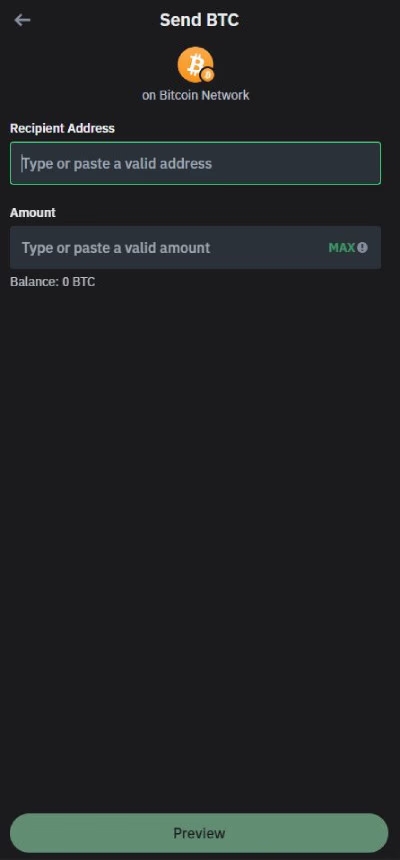
Sell the crypto for fiat.
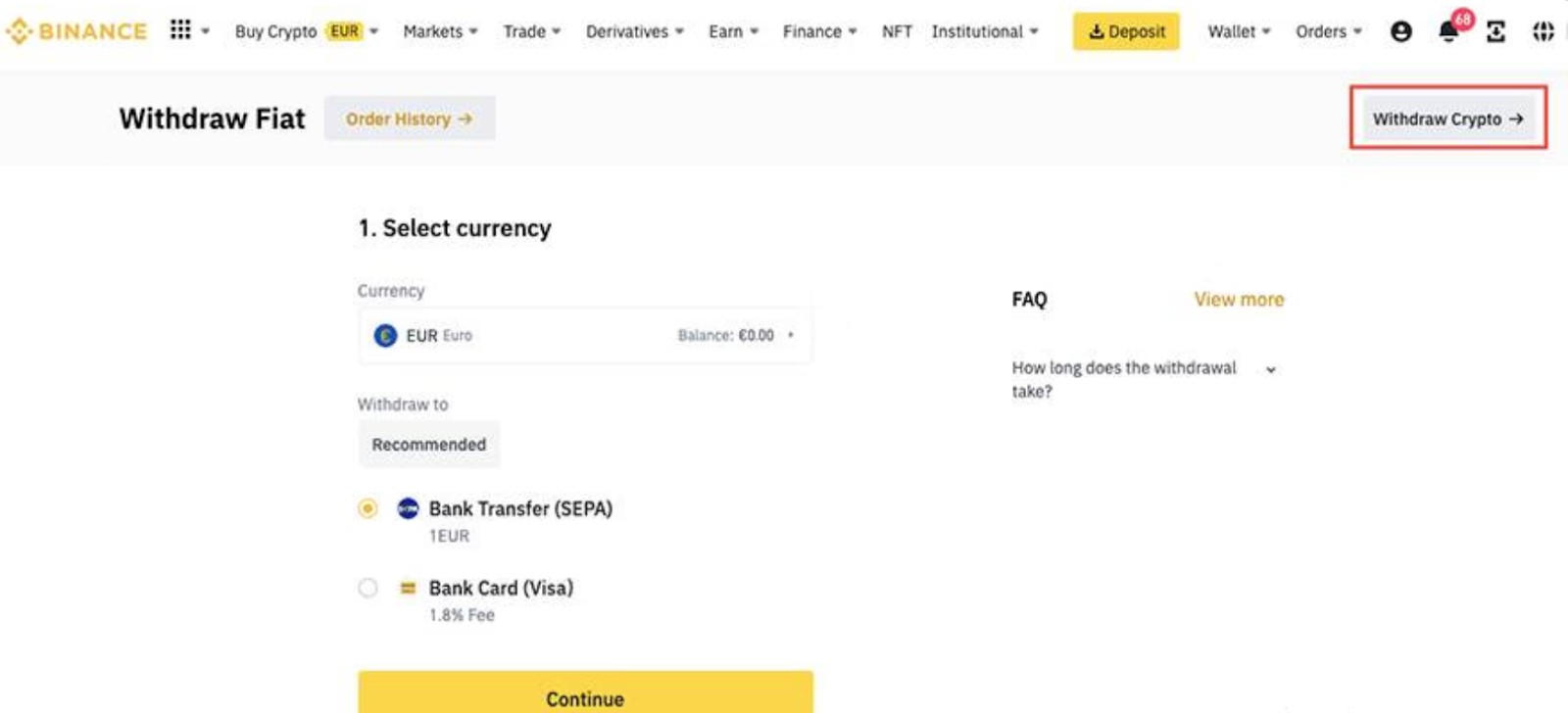
Withdraw fiat to your bank account using SEPA, SWIFT, or ACH.
Most users who want to withdraw from Trust Wallet to a bank account rely on this route. It supports high amounts and strong compliance frameworks, but can take 1 to 5 business days depending on your region and bank.
If you don’t have a crypto exchange account to do this, you can open one with any of the exchanges presented below. These are known for being the best in your region.
| Coinbase | OKX | BTCC | Cryptohopper | Crypto.com | |
|---|---|---|---|---|---|
|
Min. Deposit, $ |
10 | 10 | 10 | No | 1 |
|
Coins Supported |
400+ | 600+ | 399 | 1000 | 400+ |
|
Spot Taker fee, % |
0.5 | 0.1 | 0.3 | 0 | 0.5 |
|
Spot Maker Fee, % |
0.5 | 0.08 | 0.2 | 0 | 0.25 |
|
Alerts |
Yes | Yes | No | Yes | Yes |
|
Copy trading |
No | Yes | Yes | Yes | No |
|
TU overall score |
8.5 | 8.46 | 8.08 | 7.8 | 7.76 |
|
Open an account |
Go to broker Your capital is at risk. |
Go to broker Your capital is at risk. |
Go to broker Your capital is at risk.
|
Go to broker Your capital is at risk. |
Go to broker Your capital is at risk. |
Peer-to-Peer (P2P) sale
Ideal for users who seek how to withdraw money from Trust Wallet without Binance or those in regions without fiat-friendly exchanges.
Post a sale offer or accept a buyer on platforms like Paxful, Binance P2P, or OKX P2P.
Use escrow services.
Release crypto only after confirming fiat receipt.
Those who ask how can I withdraw money from Trust Wallet while bypassing exchanges may find P2P useful, but it carries moderate fraud risk and can be time-consuming.
Crypto debit cards
Crypto.com, BitPay, and Wirex offer crypto-to-fiat cards. These allow users to spend crypto directly or withdraw cash from ATMs.
Send assets from Trust Wallet to the card provider.
Convert to fiat in-app or load the card.
Withdraw to the bank or spend in-store.
This approach is ideal for those undertaking a withdrawal from Trust Wallet for everyday usage rather than large fiat transfers.
Payment Platforms (PayPal, Cash App)
Users looking at how to withdraw money from Trust Wallet to a bank account via payment apps can utilize platforms like PayPal (U.S., U.K. only).
Check if the app supports crypto deposits.
Send supported tokens from Trust Wallet.
Convert and withdraw fiat to a linked bank.
Handling specific asset types
How to withdraw USDT from Trust Wallet?
For this, verify if your USDT is on BEP-20, ERC-20, or TRC-20. Choose exchanges that support your network. ERC-20 fees may be higher than BEP-20 or TRC-20. As per CoinTelegraph, ERC-20 swaps now average $0.39, down from $20 in 2024.
How to withdraw BNB from Trust Wallet?
For this, send BNB on the BEP-20 chain to a compatible exchange, convert it, then initiate a fiat withdrawal.
| Method | Fiat Support | Speed | Fees (avg) | Risk Level | Best For |
|---|---|---|---|---|---|
| Trust Wallet → Exchange → Bank | Yes | 1–5 days | 0.1–1.5% + gas | Low | Secure, large-volume withdrawals |
| Trust Wallet → P2P Sale | Yes | 30 min–24 hrs | 0.5–2.5% | Medium–High | Local fiat use, privacy-focused users |
| Trust Wallet → Crypto Debit Card | Yes | Instant–24 hrs | 1–2% + ATM/card fee | Low–Medium | Day-to-day use and fast access |
| Trust Wallet → PayPal / Cash App | Limited | 1–3 days | 1–3% + FX spread | Low | Small conversions, instant access |
Common pitfalls and how to avoid them
Choosing the wrong blockchain network. E.g., ERC-20 vs BEP-20 vs TRC-20 for USDT.
Failing KYC. Incomplete ID can delay the Trust wallet withdrawal process.
Sending large transactions without testing a small amount first.
Ignoring exchange thresholds. Most platforms require $10–$50 minimum for fiat withdrawal.
Treat withdrawal not as a backend task, but as an extension

With Ethereum’s Dencun upgrade slashing gas fees by over 95%, Trust Wallet is no longer just a tool for holding, but a cost-effective gateway for real trading activity. Those withdrawing funds should treat timing and network selection as part of their trading strategy. Use low-fee windows (overnight UTC, weekends) for transfers, and always verify the destination network, as mismatched chains (ERC‑20 vs BEP‑20) can result in lost funds. For traders managing frequent exits, routing through stablecoins like USDT or USDC can help minimize volatility before converting to fiat.
Remember, the withdrawal path you choose impacts both P&L and tax liability. Smart traders document every kind of Trust Wallet withdrawal fee, optimize for speed/cost, and hedge using exchanges with predictable banking rails.
Conclusion
With Ethereum's dramatic reduction in gas fees and the increasing efficiency of blockchain withdrawals, Trust Wallet has become a practical entry point for seamlessly converting crypto to fiat. Whether you are sending USDT via ERC-20 or BNB on BEP-20 to exchanges, understanding network fees and off-ramp options is crucial for maximizing withdrawal value. Smart traders now treat withdrawal timing and network selection as essential parts of their strategies, ensuring smoother transitions from decentralized assets to bank accounts. Ultimately, mastering the crypto-to-fiat withdrawal process in Trust Wallet goes beyond technical know-how and becomes a cornerstone of financial autonomy in today's evolving digital economy.
FAQs
Can you withdraw funds directly from Trust Wallet to a bank account?
What is the safest way to transfer large amounts from Trust Wallet to fiat?
How do blockchain network choices affect withdrawal costs from Trust Wallet?
What common mistakes should users avoid when withdrawing from Trust Wallet?
Editors' Top Picks and Insights





Related Articles
Team that worked on the article
Emilio is a futures trader and financial writer who specializes in technical analysis, market news, and trading psychology. He began his career by completing the Cornerstone Traders Qualification under the mentorship of a gold futures veteran from Bank of America on Wall Street.
Dan Blystone began his trading career in 1998 as an arbitrage clerk on the floor of the Chicago Mercantile Exchange (CME). He later traded bond and Eurex futures at proprietary firms such as Altea Trading, gaining valuable experience in high-frequency trading and risk management.
Chinmay Soni is a financial analyst with more than 5 years of experience in working with stocks, Forex, derivatives, and other assets. As a founder of a boutique research firm and an active researcher, he covers various industries and fields, providing insights backed by statistical data.
Trading crypto P2P (peer-to-peer) allows the buyer and seller to interact with each other directly instead of in the presence of a third party or an intermediary.
Bitcoin is a decentralized digital cryptocurrency that was created in 2009 by an anonymous individual or group using the pseudonym Satoshi Nakamoto. It operates on a technology called blockchain, which is a distributed ledger that records all transactions across a network of computers.
Cryptocurrency is a type of digital or virtual currency that relies on cryptography for security. Unlike traditional currencies issued by governments (fiat currencies), cryptocurrencies operate on decentralized networks, typically based on blockchain technology.
Volatility refers to the degree of variation or fluctuation in the price or value of a financial asset, such as stocks, bonds, or cryptocurrencies, over a period of time. Higher volatility indicates that an asset's price is experiencing more significant and rapid price swings, while lower volatility suggests relatively stable and gradual price movements.
Ethereum is a decentralized blockchain platform and cryptocurrency that was proposed by Vitalik Buterin in late 2013 and development began in early 2014. It was designed as a versatile platform for creating decentralized applications (DApps) and smart contracts.

-
 Afghanistan
-
 Albania
-
 Algeria
-
 Angola
-
 Argentina
-
 Armenia
-
 Australia
-
 Austria
-
 Azerbaijan
-
 Bahamas
-
 Bahrain
-
 Bangladesh
-
 Belarus
-
 Belgium
-
 Bolivia
-
 Botswana
-
 Brazil
-
 Brunei
-
 Bulgaria
-
 Cambodia
-
 Cameroon
-
 Canada
-
 Chile
Chile
-
 China
China
-
 Colombia
-
 Congo
Congo
-
 Costa Rica
-
 Cote d'Ivoire
-
 Croatia
-
 Cuba
Cuba
-
 Cyprus
-
 Czechia
-
 DR Congo
-
 Denmark
-
 Dominican Republic
-
 Ecuador
-
 Egypt
Egypt
-
 El Salvador
-
 Estonia
-
 Eswatini
-
 Ethiopia
-
 Finland
-
 France
-
 Georgia
-
 Germany
-
 Ghana
Ghana
-
 Greece
-
 Haiti
Haiti
-
 Hong Kong
-
 Hungary
-
 India
India
-
 Indonesia
-
 Iran, Islamic republic
-
 Iraq
Iraq
-
 Ireland
-
 Israel
-
 Italy
Italy
-
 Jamaica
-
 Japan
Japan
-
 Jordan
-
 Kazakhstan
-
 Kenya
Kenya
-
 Korea
Korea
-
 Kuwait
-
 Kyrgyzstan
-
 Laos
Laos
-
 Latvia
-
 Lebanon
-
 Lesotho
-
 Libya
Libya
-
 Lithuania
-
 Luxembourg
-
 Madagascar
-
 Malaysia
-
 Malta
Malta
-
 Mauritius
-
 Mexico
-
 Moldova
-
 Mongolia
-
 Montenegro
-
 Morocco
-
 Mozambique
-
 Myanmar
-
 Namibia
-
 Nepal
Nepal
-
 Netherlands
-
 New Zealand
-
 Nigeria
-
 North Macedonia
-
 Norway
-
 Oman
Oman
-
 Pakistan
-
 Palestine
-
 Panama
-
 Papua New Guinea
-
 Paraguay
-
 Peru
Peru
-
 Philippines
-
 Poland
-
 Portugal
-
 Puerto Rico
-
 Qatar
Qatar
-
 Reunion
-
 Romania
-
 Rwanda
-
 Saudi Arabia
-
 Serbia
-
 Singapore
-
 Slovakia
-
 Slovenia
-
 Somalia
-
 South Africa
-
 Spain
Spain
-
 Sri Lanka
-
 Sweden
-
 Switzerland
-
 Syria
Syria
-
 Taiwan
-
 Tajikistan
-
 Tanzania
-
 Thailand
-
 Trinidad and Tobago
-
 Tunisia
-
 Turkey
-
 UAE
UAE
-
 Uganda
-
 Ukraine
-
 United Kingdom
-
United States
-
 Uruguay
-
 Uzbekistan
-
 Venezuela
-
 Vietnam
-
 Yemen
Yemen
-
 Zambia
-
 Zimbabwe
- Forex
- Crypto












