
Best Decentralized Crypto Wallets In 2026: Security, Innovation, And Usability



Editorial Note: While we adhere to strict Editorial Integrity, this post may contain references to products from our partners. Here's an explanation for How We Make Money. None of the data and information on this webpage constitutes investment advice according to our Disclaimer.
The best decentralized crypto wallets:
Zengo – Seedless MPC wallet with 3FA security and Web3 firewall; never hacked since launch.
Trust Wallet – Supports 10M+ tokens and NFTs with built-in DEX, staking, and dApp browser.
Phantom – Smooth multi-chain UX with cross-chain swaps, gas refuelling, and social usernames.
Cypherock X1 – Seedless cold storage using NFC cards and Shamir’s Secret Sharing for recovery.
Tangem Wallet – Durable card or ring form factor, battery-free, 25+ year lifespan, seedless option.
Ledger Nano X – Trusted hardware wallet with Bluetooth signing, Ledger Live app, and 5,500+ assets.
The idea of a decentralized wallet is essential for traders and investors who prefer managing their digital assets on their own. Instead of depending on third-party custodians, these wallets allow users to maintain full control of their private keys, giving them both independence and stronger security. For individuals who value self-custody and want to protect their assets directly, choosing the best decentralized crypto wallet becomes an important step toward financial autonomy.
Risk warning: Cryptocurrency markets are highly volatile, with sharp price swings and regulatory uncertainties. Research indicates that 75-90% of traders face losses. Only invest discretionary funds and consult an experienced financial advisor.
Best decentralized wallets for crypto in 2026
Choosing the best decentralized crypto wallet involves evaluating factors like security standards, multi-chain support, recovery features, and Web3 compatibility. This year’s market leaders reflect broad innovation in the non-custodial space. Today’s non‑custodial wallet market is crowded, but several products stand out for security, innovation and user experience. Below are new highlights and unique features for 2026.
Zengo
Zengo uses multi‑party computation (MPC) to split your private key across your device and the company’s servers, eliminating the seed phrase and making single‑device compromise insufficient to steal funds.

The wallet’s three‑factor authentication combines biometric login, email or SMS verification and cloud backup to guard against account takeover. It supports more than 320 assets, runs on desktop and mobile and has never been hacked since launch.
Trust Wallet
Purchased by Binance in 2018, Trust Wallet has ballooned to over 200 million users. This mobile‑first wallet supports more than 10 million tokens across 100+ blockchains and 600 million NFTs. It includes a built‑in decentralised exchange (DEX), 24+ staking options and a dApp browser.

Independent audits and ISO 27701/27001 certifications attest to its security, and new risk‑monitoring tools flag suspicious transactions. Users still control their keys and can connect a Ledger device for cold‑storage signing.
Phantom
Once a Solana‑only browser extension, Phantom now supports Solana, Ethereum, Bitcoin, Polygon, Base and Sui. It has over 15 million monthly active users and manages $25 billion in self‑custodied assets as of 2026.
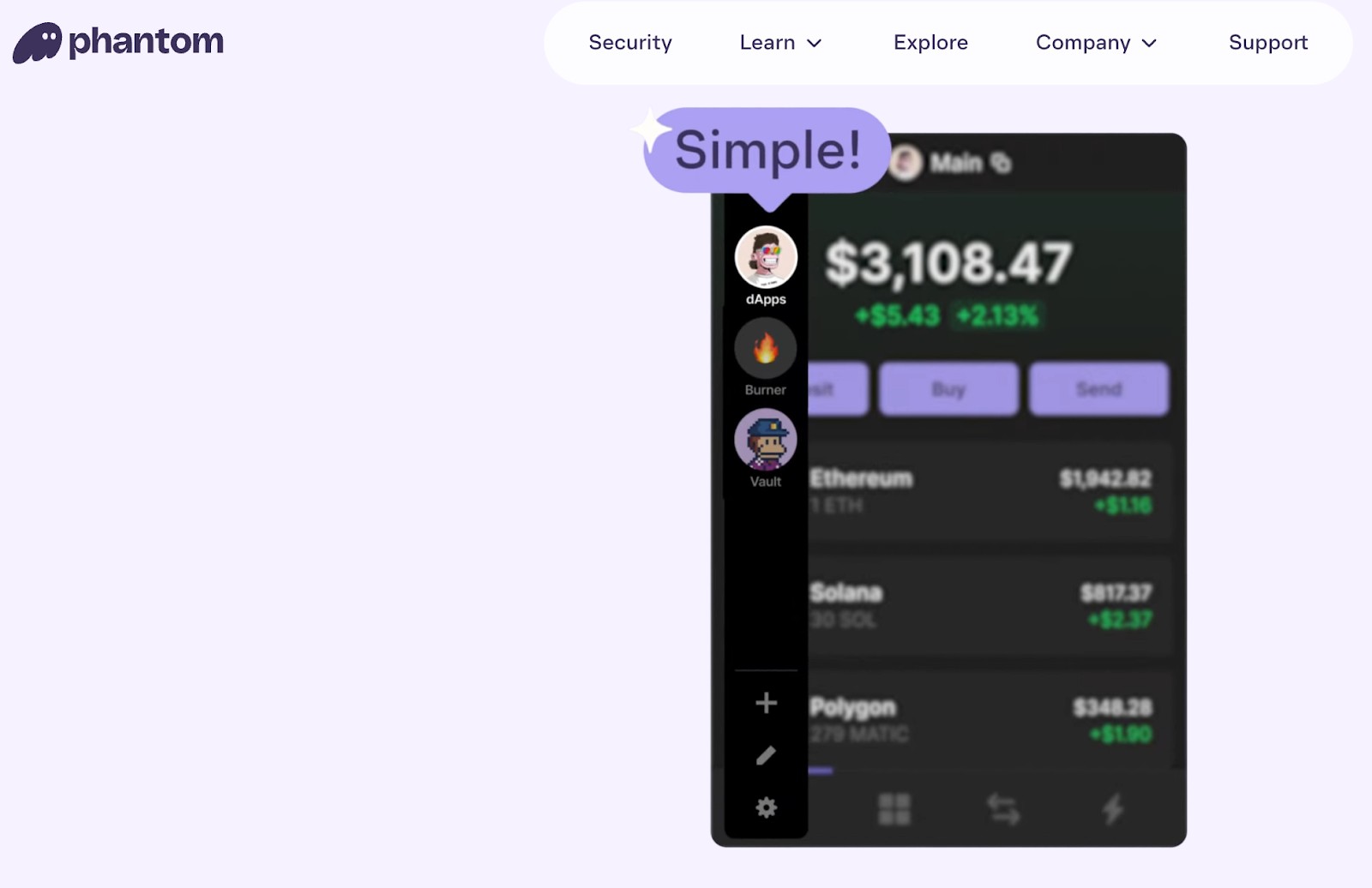
Phantom offers unified asset management, cross‑chain swaps with automatic gas refuelling, a liquid staking token (PSOL) integrated directly into the interface and a social layer where users can claim usernames and follow accounts. Built‑in AI scam detection, spam filters and a privacy proxy protect against malicious dApps.
Cypherock X1
The Cypherock X1 stores a private key in a “vault” device while splitting recovery shares across four NFC cards using Shamir’s Secret Sharing. This architecture removes the need for a seed phrase and guards against single‑device loss or theft.

The wallet supports thousands of cryptocurrencies and NFTs and comes with accessories like protective sleeves and a joystick for navigation. It costs about $159 and is targeted at security‑conscious investors who want cold storage without the complexity of seed backups.
Tangem Wallet
Tangem wallets look like credit cards or rings. They contain a high‑security EAL6+ certified chip and communicate via near‑field communication (NFC). Because they require no battery or Bluetooth, they are waterproof, dustproof and rated for 25+ years of use.
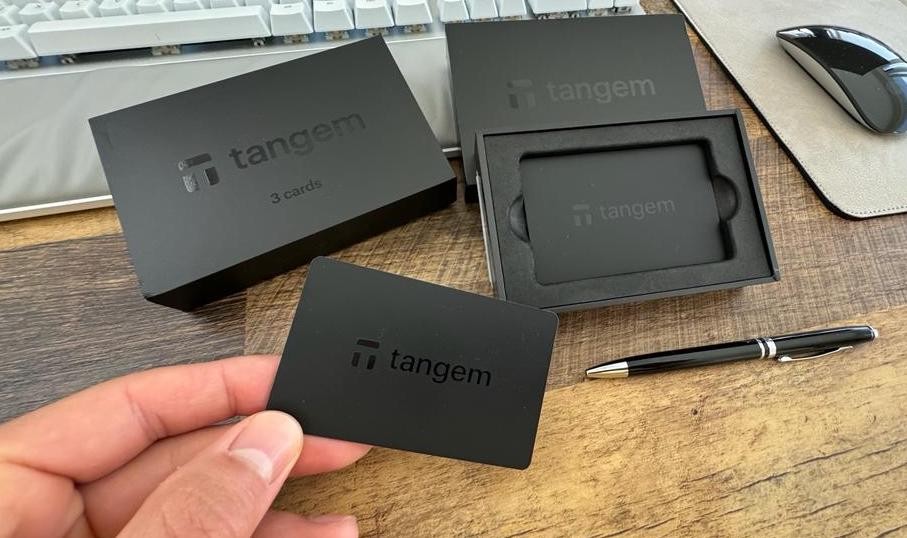
Users can create multiple backups and optionally skip a seed phrase, relying instead on physical cards to recover funds. The companion mobile app supports staking, swaps and fiat on‑ramps, and Tangem Express aggregates rates from third‑party providers.
Ledger Nano X
Ledger’s flagship device remains popular despite past controversies. It stores keys in a CC EAL5+ secure element chip and supports over 5,500 tokens.
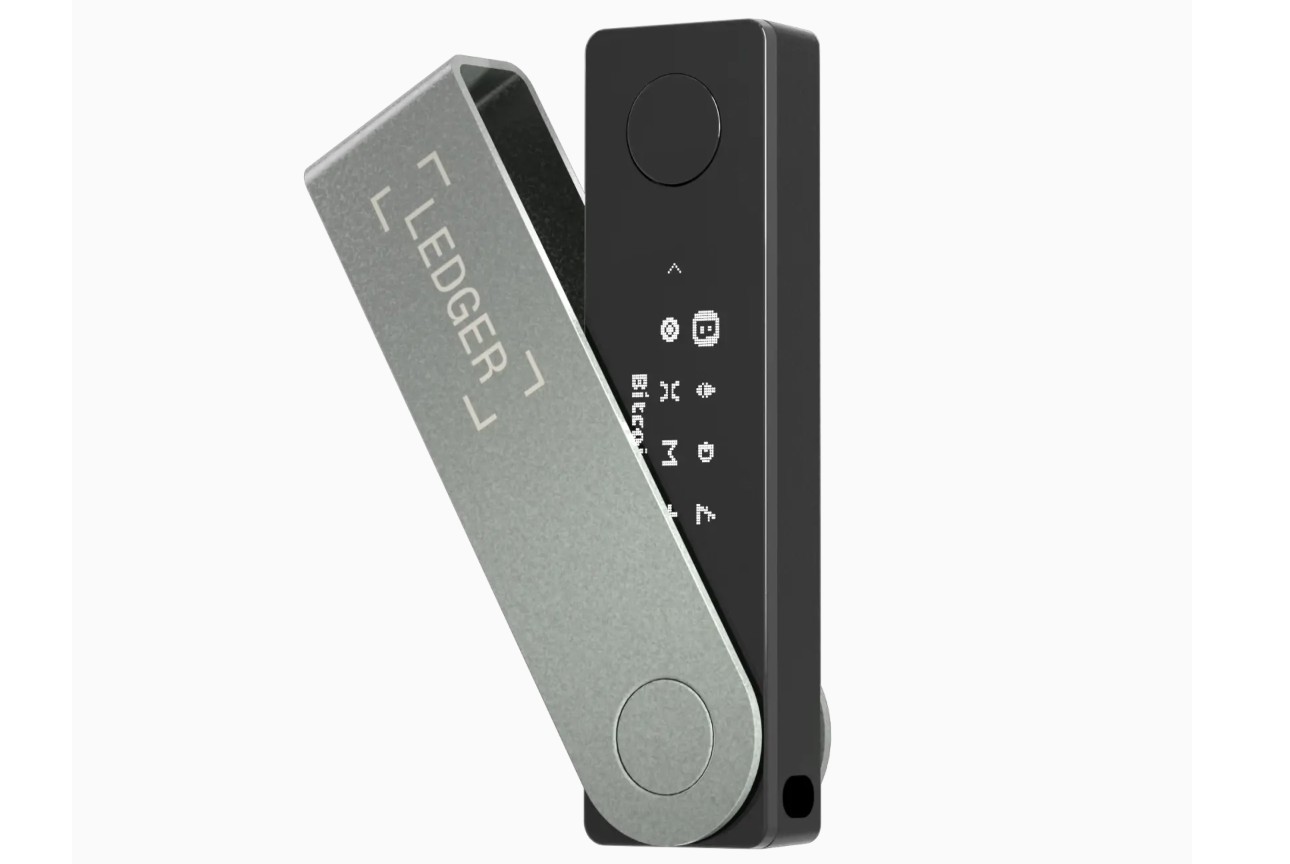
The Bluetooth‑enabled Nano X pairs with the Ledger Live app for portfolio management and DEX integration; however, it uses a 24‑word seed phrase and optional recovery service that raised trust concerns in 2023.
| Wallet | Supported assets | Security model | Form factor | Ease of use | Unique strengths |
|---|---|---|---|---|---|
| Zengo | 320+ assets | Multi-Party Computation, 3FA (biometrics + email/SMS + encrypted file) | Mobile & desktop | Very beginner-friendly | No seed phrase, Web3 firewall, never hacked since launch |
| Trust Wallet | 10M+ tokens, 600M NFTs, 100+ blockchains | User controls keys, ISO-certified audits, Ledger integration | Mobile app | Simple, built-in DEX & dApp browser | Wide asset support, staking, NFT gallery |
| Phantom | Solana, Ethereum, Bitcoin, Polygon, Base, Sui | Self-custody, AI scam detection, spam filters | Browser extension & mobile app | Smooth UX, cross-chain swaps | Social usernames, gas refuelling, liquid staking (PSOL) |
| Cypherock X1 | Thousands of coins & NFTs | Shamir’s Secret Sharing across 4 NFC cards, secure vault | Hardware (device + NFC cards) | Moderate (setup needed) | Seedless recovery via NFC cards, strong redundancy |
| Tangem Wallet | 1,000s of tokens, staking & swaps | EAL6+ secure chip, no battery, card/ring form | NFC cards or wearable rings + app | Very easy, tap-to-sign | Battery-free, 25+ year durability, seedless option |
| LedgerNanoX | 5,500+ tokens | Secure Element (CC EAL5+), seed phrase (24 words), optional recovery service | Hardware (USB/Bluetooth device) | Popular, but needs setup | Bluetooth signing, Ledger Live app, trusted industry brand |
Expanding the definition: decentralized wallet example types
Key‑sharding hardware wallets. Cypherock X1 exemplifies a new hardware model that eliminates single points of failure by splitting a private key across a vault and multiple NFC cards. Even if the vault or a card is lost, the remaining pieces can reconstruct the key. This design also supports inheritance planning by distributing cards among trusted parties.
Biometric MPC wallets. Zengo’s architecture uses MPC to sign transactions, removing seed phrases. Users authenticate via biometric scanning, and recovery shares are stored across devices and servers. Future wallets may combine MPC with hardware secure elements for institutional grade control.
NFC‑enabled tap wallets. Tangem’s card and ring devices use near‑field communication to sign transactions. Because they have no battery or Bluetooth and are resistant to X‑rays and electromagnetic pulses, they offer durability and convenience for travellers. Each card can act as a backup, and packages include multiple cards for redundancy.
Multichain social wallets. Phantom pioneered a social layer where users claim usernames, follow accounts and send crypto without copying long addresses. Real‑time token data and cross‑chain swaps are integrated, turning the wallet into a full‑fledged platform for communication, asset management and DeFi participation.
Decentralised wallets with integrated security modules. Trust Wallet added a security scanner that alerts users to risky smart contracts and malicious dApps. Some new wallets embed AI‑powered transaction previews and dynamic IP proxies to protect privacy, reflecting a trend toward proactive security.
Choosing among the top decentralized wallets
Picking a wallet isn’t one‑size‑fits‑all. Consider the following framework, adding or adjusting steps depending on your portfolio and risk appetite:
Identify your primary use case. Daily traders and NFT collectors may favour hot wallets like MetaMask, Trust Wallet or Phantom, which offer quick access to dApps and marketplaces. Long‑term holders or institutional investors should prioritise hardware options like Cypherock, Tangem or Ledger for offline storage.
Assess chain compatibility. Check that the wallet supports all the blockchains you use. Phantom currently integrates Solana, Ethereum, Bitcoin, Polygon, Base and Sui, while Trust Wallet covers more than 100 networks. If you plan to trade across multiple ecosystems, look for wallets with built‑in bridging or cross‑chain swaps.
Evaluate recovery and backup options. Decide whether you are comfortable managing a seed phrase or prefer seedless solutions. Cypherock and Tangem allow physical backups without mnemonic phrases, while Zengo uses biometric MPC recovery.
Check security certifications and audit history. Look for wallets with independently audited code and recognised certifications (e.g., ISO 27701/27001 for Trust Wallet). Hardware devices should feature secure element chips (EAL5+ or higher).
Consider staking and DeFi tools. If earning yield is important, choose wallets that integrate staking or DeFi protocols. Phantom’s PSOL and Trust Wallet’s 24 staking options make passive income simple. Tangem and Zengo also offer in‑app staking and swaps.
Plan for long‑term access and inheritance. Estate planning often requires more than a seed phrase. Cypherock’s key cards and Tangem’s multi‑card sets support inheritance scenarios. For high net‑worth individuals or institutions, consider MPC wallets with policy controls and multi‑signatures.
Security research on decentralized wallets
The past year has exposed the weaknesses of many browser‑based wallets. The GreedyBear campaign exploited user trust in popular Firefox add‑ons; attackers posted innocuous extensions, then updated them to steal private keys and seed phrases. This attack underscores why non‑custodial wallets must include built‑in warning systems and why critical assets should be held in offline hardware wallets.
Simultaneously, research shows that MPC and hardware‑based designs reduce single points of failure. Zengo’s MPC wallet spreads the signing process across multiple devices, and more than 1.5 million users currently use its system without any reported hacks. Cypherock’s key‑sharding approach prevents any single card from exposing the full seed, while Tangem’s EAL6+ chip provides tamper resistance and long product life.
Browser and mobile users must also be cautious of phishing pages and fake wallets. The 2020 Ledger data breach exposed personal information of over 272,000 customers, leading to targeted scam emails and phone calls. MetaMask and other hot wallets are frequently spoofed by malicious sites; always verify the URL and download from official sources only.
Best use cases for decentralized crypto wallets
Decentralised wallets span a spectrum of use cases. The table below summarises how different crypto wallets excel in specific situations.
| Use case | Recommended wallets | Estimated active users (millions) | Primary features |
|---|---|---|---|
| Daily transactions and NFTs | Phantom, Trust Wallet | 15+ for Phantom, 200+ for Trust Wallet | Fast dApp access, multi-chain support, NFT gallery, spam filters, cross-chain swaps, built-in DEX, staking, and simple mobile app |
| Mobile‑first access with seedless recovery | Zengo, Tangem, Cypherock X1 | 1.5+ for Zengo; Tangem has thousands of users with high app ratings | MPC recovery, biometric login, NFC card backups, joystick navigation |
| Cold storage for long‑term holding | Ledger Nano X, Cypherock X1, Tangem | 9.1 (estimated hardware wallet users) | Secure element chips, EAL certifications, offline signing, long lifespan |
| High privacy and no seed phrase | Zengo, Cypherock X1, Tangem | 2.3 (estimated niche users) | Seedless architecture, MPC or card‑based key sharding |
| Staking and DeFi participation | Trust Wallet, Phantom | 27.5 users across Trust Wallet’s staking pool and Phantom’s PSOL (combined estimates) | Built‑in staking, cross‑chain swaps, integrated DEX and dApp browser |
| Institutional or cross‑chain treasury | Phantom, Cypherock X1 | Growing enterprise adoption | Policy controls, multi‑sig approvals, cross‑chain management, key sharding |
Why decentralised wallets are becoming standard
Decentralised wallets empower users through features that centralized apps can’t offer: private key control, on-chain transaction signing, and compatibility with open finance tools.
Today’s users increasingly seek a decentralised wallet for crypto not just for storage but for Web3 access. These wallets let users interact with DAOs, stake assets, and trade across networks while retaining asset control.
Ready to put your self-custody setup to work? Even the best decentralized wallets still need a reliable exchange for fiat on/off-ramps, deep liquidity, and local bank rails. Pair your non-custodial wallet with a region-friendly exchange for conversions and cash-outs; verify KYC limits, fees, and supported networks, then test with a small transfer first. In the table below, you’ll find the best crypto exchanges in your region to complement your wallet stack.
| Crypto | Foundation year | Min. Deposit, $ | Coins Supported | Spot Taker fee, % | Spot Maker Fee, % | Alerts | Copy trading | Tier-1 regulation | TU overall score | Open an account | |
|---|---|---|---|---|---|---|---|---|---|---|---|
| Yes | 2011 | 10 | 278 | 0.4 | 0.25 | Yes | Yes | Yes | 9.2 | Go to broker Your capital is at risk. |
|
| Yes | 2017 | 10 | 329 | 0.1 | 0.08 | Yes | Yes | No | 8.9 | Go to broker Your capital is at risk. |
|
| Yes | 2011 | 10 | 399 | 0.3 | 0.2 | No | Yes | Yes | 7.84 | Go to broker Your capital is at risk.
|
|
| Yes | 2012 | 10 | 249 | 0.5 | 0.5 | Yes | No | Yes | 7.68 | Go to broker Your capital is at risk. |
|
| Yes | 2014 | 5 | 30 | Not available | Not available | No | No | Yes | 7.6 | Go to broker Your capital is at risk.
|
Layered wallet strategy for 2026 using smart accounts for daily use and multisig or MPC for savings

Use a layered wallet plan instead of one wallet to rule them all. For everyday spending and small DeFi moves, pick a smart-contract (account abstraction) wallet that supports social recovery and sponsored transactions, you get UX features like passwordless logins, gas sponsorship, and recovery via trusted guardians, which makes day-to-day self-custody realistic for non-experts. Then keep your long-term holdings behind a multisig or MPC vault (for example, a Safe/Gnosis-style multisig or an MPC provider). That split reduces blast radius: lose a phone, you still recover small funds; get phished on a hot wallet, you haven’t lost the treasury. Smart accounts and sponsored gas are mainstream now, so plan your exposures around those capabilities rather than a single “best” app.
Never click and sign without a rehearsal. Before any high-value swap, bridge, or contract interaction, run a transaction simulation and check what you are actually signing, not just the human-friendly label but the calldata. Use wallets or plugins that simulate the transaction and flag MEV or reordering risk; that prevents expensive failed swaps, sandwich attacks, and blind-signing exploits. For custody design, prefer MPC if you want to avoid a single seed, but pair MPC with explicit “what you sign” previews because MPC can still be abused by blind signing. And remember hardware devices are excellent, but fake apps and phishing campaigns targeting Ledger/Trezor users are real; always install manager apps from official domains and verify firmware.
Conclusion
The decentralized wallet landscape in 2026 is vast, advanced, and diverse. Whether you want cold storage security or live dApp interaction, there is a crypto decentralized wallet tailored to your needs.
By prioritizing wallets with advanced architecture, responsive updates, and real Web3 compatibility, users can gain control, safety, and versatility. That’s why understanding your options across this decentralized crypto wallet list is a vital step in securing your assets.
FAQs
Can a decentralized wallet be used without internet access?
Yes, hardware-based decentralized wallets like Ledger Nano X and Trezor Model One can sign transactions offline. This makes them ideal for cold storage in high-security environments.
What is the risk of using a decentralized wallet app on a rooted phone?
Installing a decentralized wallet app on a rooted or jailbroken device increases the risk of malware access to private keys or clipboard data. For secure usage, always use official app stores on unmodified devices.
Are decentralized wallets safe for large amounts of Bitcoin?
Yes. A decentralized bitcoin wallet such as Tangem or Trezor offers secure cold storage. For high amounts, prioritize wallets with tamper-proof hardware and PIN or biometric access.
Can one person use multiple decentralized wallets at once?
Absolutely. Many users manage assets across several decentralized crypto wallets for different purposes: DeFi, cold storage, NFTs, or multi-chain diversification. Using multiple wallets can also reduce single-point failure risks.
Editors' Top Picks and Insights

Three trends that could reshape the crypto market over the next decade

Trump financial disclosure: How the president's crypto income became a U.S. ethics issue

Code red: What's behind Bitcoin’s sharp selloff?

MiCA is live: How EU new rules are changing crypto market

Bitcoin price prediction based on MVRV: Indicator points to BTC undervaluation

Amazon flooded with AI books: Crisis of trust in literature market
Related Articles
Team that worked on the article
Andrey Mastykin is an experienced author, editor, and content strategist who has been with Traders Union since 2020. As an editor, he is meticulous about fact-checking and ensuring the accuracy of all information published on the Traders Union platform.
Dan Blystone began his trading career in 1998 as an arbitrage clerk on the floor of the Chicago Mercantile Exchange (CME). He later traded bond and Eurex futures at proprietary firms such as Altea Trading, gaining valuable experience in high-frequency trading and risk management.
Chinmay Soni is a financial analyst with more than 5 years of experience in working with stocks, Forex, derivatives, and other assets. As a founder of a boutique research firm and an active researcher, he covers various industries and fields, providing insights backed by statistical data.
An investor is an individual, who invests money in an asset with the expectation that its value would appreciate in the future. The asset can be anything, including a bond, debenture, mutual fund, equity, gold, silver, exchange-traded funds (ETFs), and real-estate property.
CFD is a contract between an investor/trader and seller that demonstrates that the trader will need to pay the price difference between the current value of the asset and its value at the time of contract to the seller.
Copy trading is an investing tactic where traders replicate the trading strategies of more experienced traders, automatically mirroring their trades in their own accounts to potentially achieve similar results.
Cryptocurrency is a type of digital or virtual currency that relies on cryptography for security. Unlike traditional currencies issued by governments (fiat currencies), cryptocurrencies operate on decentralized networks, typically based on blockchain technology.
Index in trading is the measure of the performance of a group of stocks, which can include the assets and securities in it.

-
 Afghanistan
-
 Albania
-
 Algeria
-
 Angola
-
 Argentina
-
 Armenia
-
 Australia
-
 Austria
-
 Azerbaijan
-
 Bahamas
-
 Bahrain
-
 Bangladesh
-
 Belarus
-
 Belgium
-
 Bolivia
-
 Botswana
-
 Brazil
-
 Brunei
-
 Bulgaria
-
 Cambodia
-
 Cameroon
-
 Canada
-
 Chile
Chile
-
 China
China
-
 Colombia
-
 Congo
Congo
-
 Costa Rica
-
 Cote d'Ivoire
-
 Croatia
-
 Cuba
Cuba
-
 Cyprus
-
 Czechia
-
 DR Congo
-
 Denmark
-
 Dominican Republic
-
 Ecuador
-
 Egypt
Egypt
-
 El Salvador
-
 Estonia
-
 Eswatini
-
 Ethiopia
-
 Finland
-
 France
-
 Georgia
-
 Germany
-
 Ghana
Ghana
-
 Greece
-
 Haiti
Haiti
-
 Hong Kong
-
 Hungary
-
 India
India
-
 Indonesia
-
 Iran, Islamic republic
-
 Iraq
Iraq
-
 Ireland
-
 Israel
-
 Italy
Italy
-
 Jamaica
-
 Japan
Japan
-
 Jordan
-
 Kazakhstan
-
 Kenya
Kenya
-
 Korea
Korea
-
 Kuwait
-
 Kyrgyzstan
-
 Laos
Laos
-
 Latvia
-
 Lebanon
-
 Lesotho
-
 Libya
Libya
-
 Lithuania
-
 Luxembourg
-
 Madagascar
-
 Malaysia
-
 Malta
Malta
-
 Mauritius
-
 Mexico
-
 Moldova
-
 Mongolia
-
 Montenegro
-
 Morocco
-
 Mozambique
-
 Myanmar
-
 Namibia
-
 Nepal
Nepal
-
 Netherlands
-
 New Zealand
-
 Nigeria
-
 North Macedonia
-
 Norway
-
 Oman
Oman
-
 Pakistan
-
 Palestine
-
 Panama
-
 Papua New Guinea
-
 Paraguay
-
 Peru
Peru
-
 Philippines
-
 Poland
-
 Portugal
-
 Puerto Rico
-
 Qatar
Qatar
-
 Reunion
-
 Romania
-
 Rwanda
-
 Saudi Arabia
-
 Serbia
-
 Singapore
-
 Slovakia
-
 Slovenia
-
 Somalia
-
 South Africa
-
 Spain
Spain
-
 Sri Lanka
-
 Sweden
-
 Switzerland
-
 Syria
Syria
-
 Taiwan
-
 Tajikistan
-
 Tanzania
-
 Thailand
-
 Trinidad and Tobago
-
 Tunisia
-
 Turkey
-
 UAE
UAE
-
 Uganda
-
 Ukraine
-
 United Kingdom
-
United States
-
 Uruguay
-
 Uzbekistan
-
 Venezuela
-
 Vietnam
-
 Yemen
Yemen
-
 Zambia
-
 Zimbabwe
- Forex
- Crypto











