
How To Spend Crypto: The Complete Guide To Using Digital Assets In 2026


Editorial Note: While we adhere to strict Editorial Integrity, this post may contain references to products from our partners. Here's an explanation for How We Make Money. None of the data and information on this webpage constitutes investment advice according to our Disclaimer.
How to spend crypto:
If you’ve been holding Bitcoin, Ethereum, or any other cryptocurrency, you may have asked yourself a simple question: How do I actually spend crypto in real life? Crypto is great for investments, trading, or holding for future gains – but there are plenty of ways to put it to use, from buying gift cards to using crypto debit cards, and we’ll show you how to make the most of each option. This guide will explore the most practical ways to cash out or spend your crypto while keeping transactions secure, convenient, and cost-efficient.
Risk warning: Cryptocurrency markets are highly volatile, with sharp price swings and regulatory uncertainties. Research indicates that 75-90% of traders face losses. Only invest discretionary funds and consult an experienced financial advisor.
Paying directly with cryptocurrency
The most straightforward way to spend crypto is by using it where it’s accepted directly. This involves sending coins straight from your wallet to a merchant who can receive cryptocurrency as payment.
How it works:
Find a business that accepts crypto online or offline.
Open your digital wallet.
Scan the merchant’s QR code or copy their wallet address.
Enter the payment amount.
Confirm and send the transaction.
- Pros
- Cons
Instant payments – transactions are usually completed within minutes.
Low or no fees – unlike credit card transactions, fees are often minimal.
Privacy and security – you don’t need to share personal financial information.
Limited adoption – while some online stores, cafes, and service providers accept crypto, most everyday businesses – like grocery stores, gas stations, or landlords – do not.
Price volatility – the value of cryptocurrencies fluctuates constantly. Paying with crypto can mean spending more or less than intended if prices shift quickly.
Where it works best:
Direct crypto payments work well for niche online retailers, certain subscription services, and some travel or technology providers. It’s ideal if you want to stay fully within the crypto ecosystem without converting to fiat currency.
Using crypto gift cards: unlocking shopping everywhere

One of the most versatile ways to spend crypto in 2026 is by purchasing gift cards with cryptocurrency. This method essentially converts your digital coins into preloaded cards for a wide range of retailers, including global giants like Amazon, Walmart, Spotify, and more.
Platforms like Cardstorm specialize in this service, letting you exchange Bitcoin, Ethereum, Solana, and many other cryptocurrencies for gift cards.
How it works:
Visit a platform that sells crypto gift cards.
Choose a retailer and gift card value.
Select the cryptocurrency you want to use for payment.
Complete the payment using a wallet or exchange.
Receive your gift card instantly via email.
Redeem the card at the merchant’s website or store.
Types of crypto gift cards on Cardstorm:
Visa Prepaid Cards – work anywhere that accepts credit or debit cards, turning crypto into universal spending power.
Brand-Specific Cards – Spotify, Walmart, Steam, and more, letting you target specific needs or gifts.
Advantages:
Universal usability – even stores that don’t accept crypto directly can be accessed through gift cards.
Instant delivery – no need to wait for bank processing or fiat transfers.
Lower fees – conversion costs are often lower than traditional crypto-to-fiat methods.
Multiple crypto options – most platforms support a variety of digital currencies.
Why it’s a smart choice:
Crypto gift cards combine the convenience of instant digital payments with the flexibility of spending at major stores. They are especially useful for everyday shopping, gifts, or if you want to avoid the complexities of P2P trading or Bitcoin ATMs.
Bitcoin ATMs: turning crypto into cash

Sometimes, you just need physical money. Bitcoin ATMs are becoming increasingly common worldwide and offer a straightforward way to withdraw cash using digital assets.
How Bitcoin ATMs work:
Locate a Bitcoin ATM near you using online maps or apps.
Select whether you want to deposit or withdraw.
Scan your wallet’s QR code.
Enter the amount to convert to cash.
Collect your money.
- Pros
- Cons
Immediate cash – perfect for situations where crypto is not accepted directly.
Simple process – similar to a traditional ATM experience.
High fees – often 10–20% per transaction, sometimes more.
Withdrawal limits – daily maximums may restrict large withdrawals.
Limited locations – not every city or town has a Bitcoin ATM.
When to use Bitcoin ATMs:
They’re ideal for small, urgent cash needs. If fees are acceptable and an ATM is nearby, it’s one of the fastest ways to convert crypto to fiat.
Peer-to-peer trading: personal exchange with other users
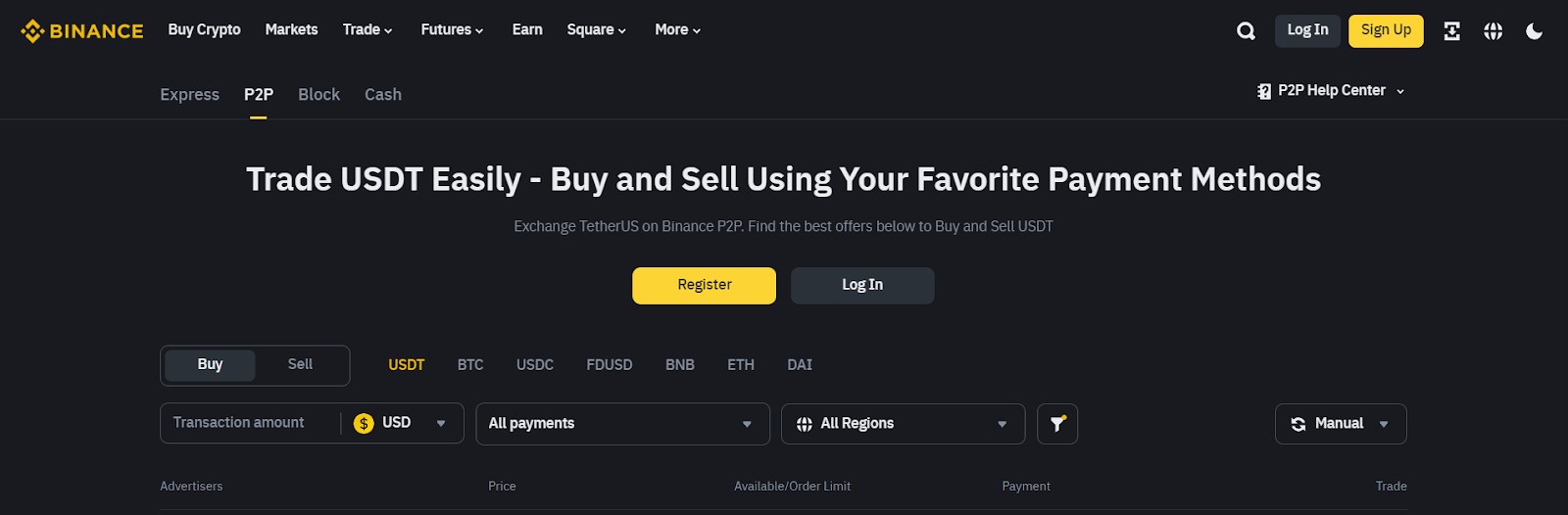
Peer-to-peer (P2P) trading allows you to sell your crypto directly to another individual. P2P platforms connect buyers and sellers, offering multiple payment options like bank transfers, cash, gift cards, or even goods and services.
How P2P trading works:
Register on a reputable P2P platform.
List your crypto for sale, specifying payment methods.
A buyer accepts your offer.
Funds are exchanged according to platform rules.
Confirm completion and release the crypto.
Advantages:
Potentially better rates than exchanges.
Flexible payment options beyond cash or bank transfers.
Direct transactions can be faster than traditional exchanges.
Risks:
Scams – always deal with verified users and platforms with strong reputation systems.
Extra steps – requires careful negotiation and communication with buyers.
Crypto debit cards: spend crypto anywhere
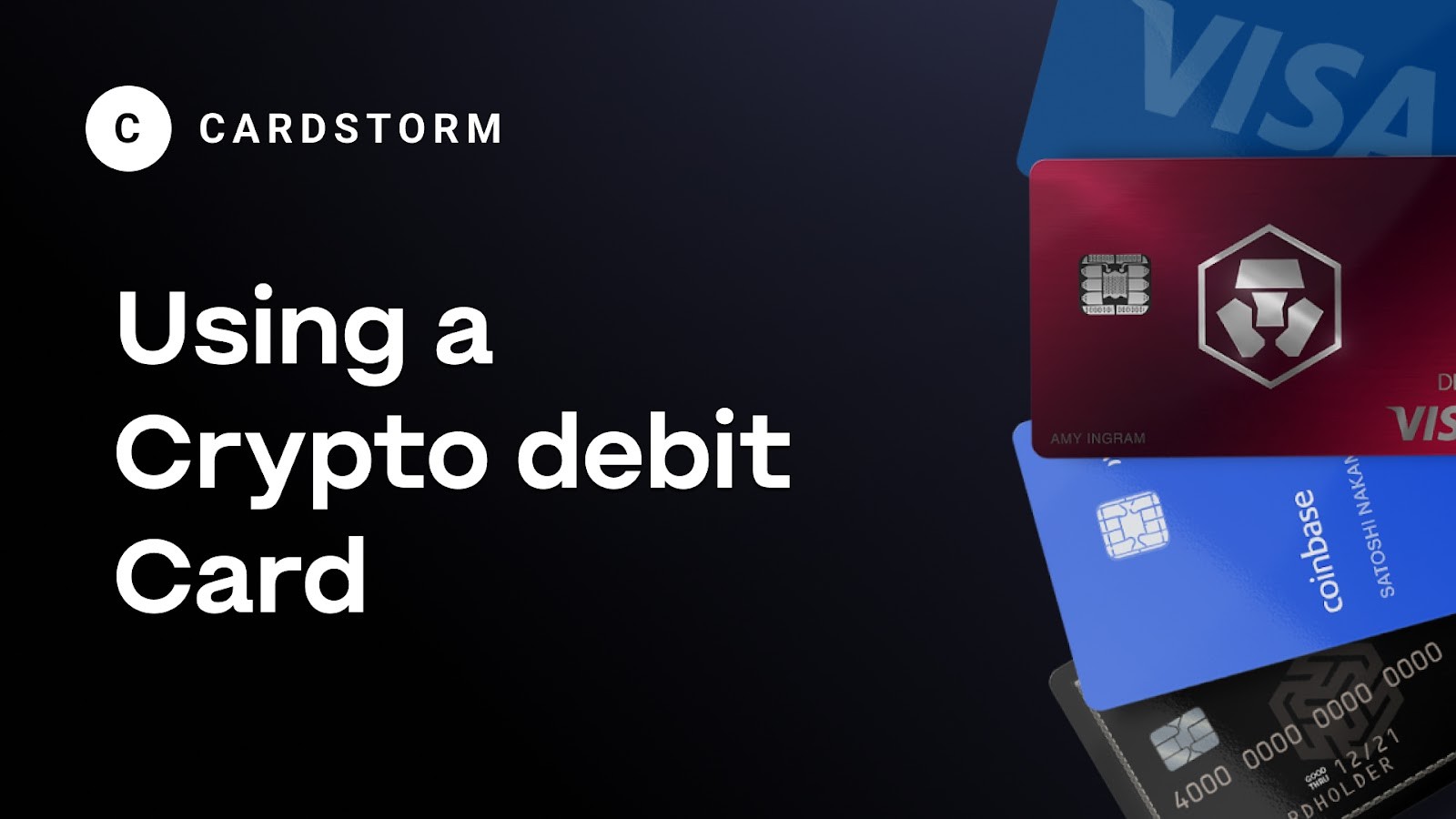
Crypto debit cards have become one of the most versatile ways to spend digital assets. They work like regular debit cards, but instead of drawing from a bank account, the card converts your cryptocurrency into fiat currency at the moment of purchase.
How crypto debit cards work:
Apply for a card from a crypto provider (e.g., Binance Card, Crypto.com Card).
Load crypto onto your card via the provider’s app or website.
Use it anywhere that accepts debit or credit cards.
The card automatically converts the crypto at the current exchange rate during the transaction.
- Pros
- Cons
Convenience – works anywhere that accepts standard debit or credit cards.
Instant conversion – no need to manually sell crypto or buy gift cards.
Supports multiple cryptocurrencies – many cards let you switch between BTC, ETH, and stablecoins.
Fees – some cards charge issuance, monthly, or conversion fees.
Limited providers – not all banks or countries support crypto debit cards yet.
Practical use case:
Imagine you’re traveling abroad and want to pay for coffee or groceries. Instead of exchanging crypto for local currency, you can simply use your crypto debit card. The transaction is instant, secure, and avoids high ATM or exchange fees.
Choosing the right method for your needs
Your choice depends on what you want to accomplish:
Shopping at major retailers – crypto gift cards are the easiest and most versatile.
Immediate cash – Bitcoin ATMs provide quick liquidity, but at higher cost.
Maximizing value – P2P trading can offer better rates, but requires caution.
Direct crypto payments – convenient where accepted, but very limited for everyday use.
Each method has pros and cons, and the “best” approach depends on your priorities: speed, fees, accessibility, or simplicity.
Security considerations when spending crypto
Spending crypto safely requires awareness. Follow these rules:
Use reputable platforms – stick to trusted exchanges, wallets, and gift card services.
Double-check wallet addresses – crypto transactions are irreversible. A small typo can result in permanent loss.
Enable two-factor authentication – protect accounts from unauthorized access.
Track your transactions – keep records of all crypto purchases and conversions.
Be aware of fees – high network fees or ATM fees can eat into your funds.
Security is just as important as convenience. A little precaution goes a long way in avoiding costly mistakes.
The future of spending crypto
The ecosystem for crypto payments is evolving rapidly. By 2026, more stores, apps, and services will accept cryptocurrency directly. At the same time, platforms like Cardstorm continue bridging the gap, making it possible to convert crypto into everyday spending power instantly.
As adoption grows, these methods will become even easier, cheaper, and more accessible. For now, crypto gift cards remain the most flexible and convenient way to spend digital assets across a wide range of stores.
Conclusion
Spending cryptocurrency in 2026 is easier than ever, but it’s still not as seamless as using traditional money. Gift cards, debit cards, ATMs, direct payments, and P2P trading all provide practical ways to use crypto in daily life.
Platforms like Cardstorm simplify this process by allowing you to buy gift cards with crypto, instantly turning digital coins into real-world spending power. Whether you want to shop, travel, or pay for services, crypto no longer has to sit idle in your wallet.
FAQs
Why has spending crypto become easier in 2026 compared to earlier years?
Regulatory clarity, improved crypto payment infrastructure, and integration with mainstream fintech platforms have made crypto spending simpler and more accessible.
Are there any taxes involved when spending crypto?
In many countries, spending crypto is considered a taxable disposal event. Capital gains taxes may apply, so it’s important to track cost basis and consult local regulations.
Which cryptocurrencies are best for everyday spending?
Stablecoins like USDT or USDC are ideal because they minimize volatility risk and maintain a stable value for routine payments.
How can you handle price fluctuations when paying for recurring services?
Convert funds to stablecoins before each payment or keep a small buffer balance to absorb sudden price swings.
Editors' Top Picks and Insights





Related Articles
Team that worked on the article
Ciaran Ryan is a veteran financial journalist based in South Africa, where he covers cryptocurrency, mining, stock markets, and governance for Moneyweb. He also hosts the weekly Moneyweb Crypto Podcast.
Dan Blystone began his trading career in 1998 as an arbitrage clerk on the floor of the Chicago Mercantile Exchange (CME). He later traded bond and Eurex futures at proprietary firms such as Altea Trading, gaining valuable experience in high-frequency trading and risk management.
Chinmay Soni is a financial analyst with more than 5 years of experience in working with stocks, Forex, derivatives, and other assets. As a founder of a boutique research firm and an active researcher, he covers various industries and fields, providing insights backed by statistical data.
Bitcoin is a decentralized digital cryptocurrency that was created in 2009 by an anonymous individual or group using the pseudonym Satoshi Nakamoto. It operates on a technology called blockchain, which is a distributed ledger that records all transactions across a network of computers.
Volatility refers to the degree of variation or fluctuation in the price or value of a financial asset, such as stocks, bonds, or cryptocurrencies, over a period of time. Higher volatility indicates that an asset's price is experiencing more significant and rapid price swings, while lower volatility suggests relatively stable and gradual price movements.
Xetra is a German Stock Exchange trading system that the Frankfurt Stock Exchange operates. Deutsche Börse is the parent company of the Frankfurt Stock Exchange.
Cryptocurrency is a type of digital or virtual currency that relies on cryptography for security. Unlike traditional currencies issued by governments (fiat currencies), cryptocurrencies operate on decentralized networks, typically based on blockchain technology.
CFD is a contract between an investor/trader and seller that demonstrates that the trader will need to pay the price difference between the current value of the asset and its value at the time of contract to the seller.

-
 Afghanistan
-
 Albania
-
 Algeria
-
 Angola
-
 Argentina
-
 Armenia
-
 Australia
-
 Austria
-
 Azerbaijan
-
 Bahamas
-
 Bahrain
-
 Bangladesh
-
 Belarus
-
 Belgium
-
 Bolivia
-
 Botswana
-
 Brazil
-
 Brunei
-
 Bulgaria
-
 Cambodia
-
 Cameroon
-
 Canada
-
 Chile
Chile
-
 China
China
-
 Colombia
-
 Congo
Congo
-
 Costa Rica
-
 Cote d'Ivoire
-
 Croatia
-
 Cuba
Cuba
-
 Cyprus
-
 Czechia
-
 DR Congo
-
 Denmark
-
 Dominican Republic
-
 Ecuador
-
 Egypt
Egypt
-
 El Salvador
-
 Estonia
-
 Eswatini
-
 Ethiopia
-
 Finland
-
 France
-
 Georgia
-
 Germany
-
 Ghana
Ghana
-
 Greece
-
 Haiti
Haiti
-
 Hong Kong
-
 Hungary
-
 India
India
-
 Indonesia
-
 Iran, Islamic republic
-
 Iraq
Iraq
-
 Ireland
-
 Israel
-
 Italy
Italy
-
 Jamaica
-
 Japan
Japan
-
 Jordan
-
 Kazakhstan
-
 Kenya
Kenya
-
 Korea
Korea
-
 Kuwait
-
 Kyrgyzstan
-
 Laos
Laos
-
 Latvia
-
 Lebanon
-
 Lesotho
-
 Libya
Libya
-
 Lithuania
-
 Luxembourg
-
 Madagascar
-
 Malaysia
-
 Malta
Malta
-
 Mauritius
-
 Mexico
-
 Moldova
-
 Mongolia
-
 Montenegro
-
 Morocco
-
 Mozambique
-
 Myanmar
-
 Namibia
-
 Nepal
Nepal
-
 Netherlands
-
 New Zealand
-
 Nigeria
-
 North Macedonia
-
 Norway
-
 Oman
Oman
-
 Pakistan
-
 Palestine
-
 Panama
-
 Papua New Guinea
-
 Paraguay
-
 Peru
Peru
-
 Philippines
-
 Poland
-
 Portugal
-
 Puerto Rico
-
 Qatar
Qatar
-
 Reunion
-
 Romania
-
 Rwanda
-
 Saudi Arabia
-
 Serbia
-
 Singapore
-
 Slovakia
-
 Slovenia
-
 Somalia
-
 South Africa
-
 Spain
Spain
-
 Sri Lanka
-
 Sweden
-
 Switzerland
-
 Syria
Syria
-
 Taiwan
-
 Tajikistan
-
 Tanzania
-
 Thailand
-
 Trinidad and Tobago
-
 Tunisia
-
 Turkey
-
 UAE
UAE
-
 Uganda
-
 Ukraine
-
 United Kingdom
-
United States
-
 Uruguay
-
 Uzbekistan
-
 Venezuela
-
 Vietnam
-
 Yemen
Yemen
-
 Zambia
-
 Zimbabwe
- Forex
- Crypto










- Paying directly with cryptocurrency
- Using crypto gift cards: unlocking shopping everywhere
- Bitcoin ATMs: turning crypto into cash
- Peer-to-peer trading: personal exchange with other users
- Crypto debit cards: spend crypto anywhere
- Choosing the right method for your needs
- Security considerations when spending crypto
- The future of spending crypto
- Conclusion
- FAQs


