The tweet was deleted by the author.
But we saved everything 🙂.

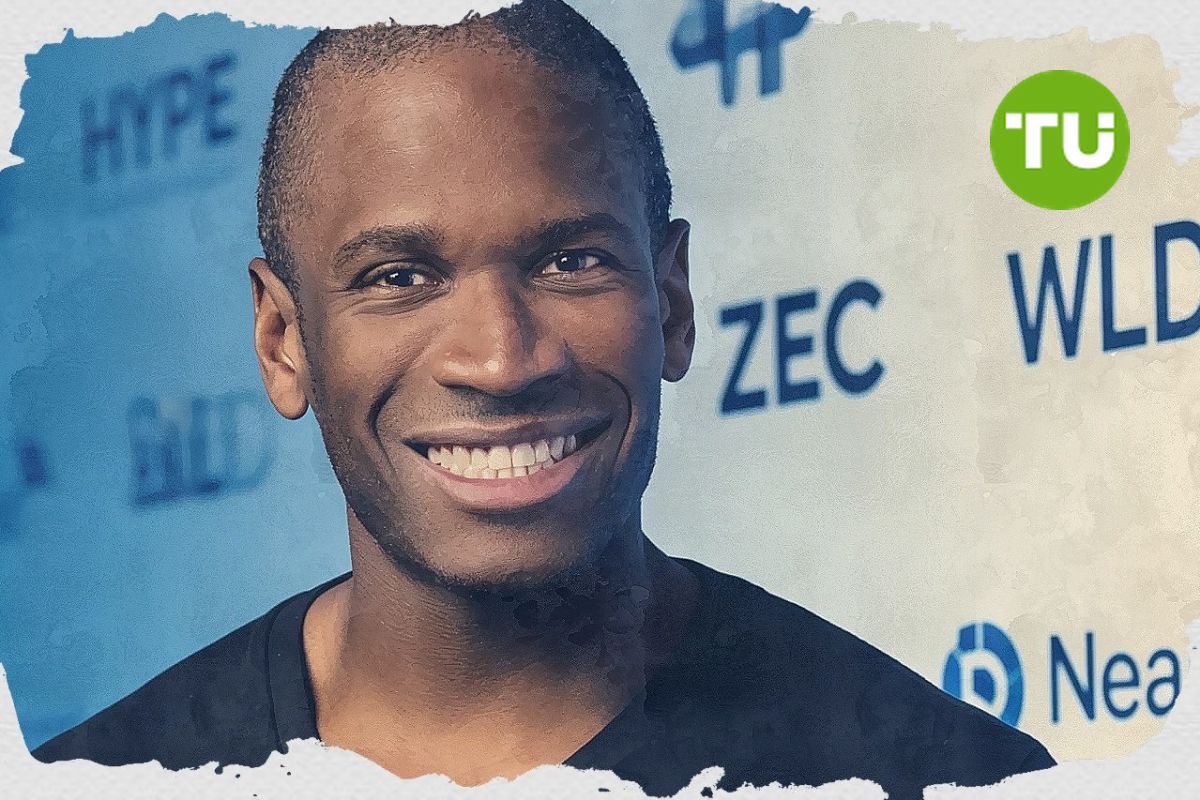
Just a few weeks ago, Arthur Hayes was calling HYPE, NEAR, and ZEC his “Holy Trinity,” predicting gains for Worldcoin, and betting on Hyperliquid's success. Yet by early June, the crypto investor had exited all of those positions. The series of sales sparked a strong reaction from the crypto community, with some accusing Hayes of running a pump&dump scheme.
Arthur Hayes is one of the most prominent figures in the crypto industry. The BitMEX co-founder regularly publishes market forecasts, shares investment ideas, and discloses his positions. His posts are closely followed by both retail investors and professional market participants.
However, in early June 2026, Hayes found himself at the center of a controversy that quickly grew beyond a discussion of individual assets.
View post on X Loading...
The dispute was triggered by a series of token sales involving assets he had publicly praised only days earlier. As a result, some began to view Hayes as a symbol of rapid profit-taking, while others saw him as a trader entitled to change his opinion as market conditions evolve.
He was particularly bullish on HYPE. Back in March, Hayes predicted that Hyperliquid's token could reach $150 by August 2026. He also suggested that the project's market capitalization could eventually surpass Solana's. On June 1, Hayes even entered into a $100,000 charity bet with Multicoin Capital co-founder Kyle Samani.
View post on X Loading...
Arthur Hayes wagered that HYPE would outperform other major crypto assets by the end of the year. However, the situation changed on June 4. According to Onchain Lens, Hayes sold 247,334 HYPE worth roughly $18 million and fully exited the position. The same day, he also announced the sale of all his NEAR holdings.
Explaining the decision, Hayes cited several factors. These included rising energy prices amid tensions in the Middle East, expectations surrounding three major AI-related IPOs, and the possibility that the Donald Trump administration could adopt a tougher stance toward the AI industry ahead of the midterm elections. In his view, the current market cycle could peak before September, making it an appropriate time to lock in profits.
The following day, Hayes sold his entire ZEC position as well. This time, the reason was different. He pointed to a vulnerability discovered in Orchard and argued that an asset built around a privacy-focused investment thesis requires an almost flawless level of security.
View post on X Loading...
According to Hayes, the probability of unauthorized token issuance was extremely low, but it could not be cryptographically turned out to be impossible.
In less than two weeks, Hayes had completely liquidated positions in all three tokens that he had recently described as his “Holy Trinity.”
In the case of HYPE, Hayes' largest sale occurred near a local market top. The token, which traded around $30 in March, reached nearly $80 in early June.
Shortly after Hayes sold his holdings, the token began to decline sharply. Over the following week, HYPE fell by 23.5%.

HYPE price performance. Source: TradingView.
NEAR rose from roughly $2 to $3 after Hayes' endorsement but later gave back most of those gains. The token declined 26.7% on a weekly basis and was trading near $2 at the time of writing.
On June 4, Hayes publicly backed WLD and linked its prospects to the anticipated public listing of SpaceX. He described the token as a bet on artificial intelligence and urged investors not to leave the market too early.
View post on X Loading...
Before that, Hayes had also published a $10 price target for WLD. Following those statements, Worldcoin became one of the most discussed assets among his followers. Yet on June 6, Hayes announced that he had sold his entire position.
“This chart is going in the wrong direction. Dumped WLD. I’m out,” he wrote.
It was at that point that well-known blockchain investigator ZachXBT entered the discussion. He publicly questioned how much exit liquidity for Hayes' positions may have been provided by Hayes' own followers.
According to ZachXBT, the situation looked remarkably similar to the earlier cases involving HYPE, NEAR, and ZEC. He noted that Hayes had repeatedly published bullish views on those assets before selling them within days.
Hayes firmly rejected the accusations. In response, he said he had simply sold assets to willing buyers at market prices.
“I sold to a willing seller at a price. Prices could be higher and then I would be called a dumb ass. I just happened to call it right this time as it regards to my trading goals” Hayes wrote.
View post on X Loading...
The debate ultimately came down to a fundamental question: should a prominent investor continue holding an asset after publicly disclosing a position, or is that investor free to change course at any time regardless of how followers react?
Following Hayes' announcement that he had exited WLD, the token also experienced a sharp decline. Over the following hours, WLD fell from roughly $0.52 to $0.40, losing about a quarter of its value.
The market later recovered part of the decline, and by June 11 the token had returned to the $0.50 range, according to TradingView.
According to Arkham, the value of Hayes' tracked portfolio increased from $17.55 million on May 1 to more than $23 million by June 11.

Arthur Hayes' portfolio changes from May 1 to June 11. Source: Arkham.
The most notable shift occurred in USDC holdings. While Hayes held roughly $208,000 worth of the stablecoin in early May, that figure had grown to approximately $10.4 million six weeks later.
A substantial portion of the portfolio is also concentrated in Ethereum and Ethereum-related assets. ETH, EETH, and WEETH account for more than $12 million combined. Other major holdings include SUSDE, WLD, and PENDLE.
Meanwhile, HYPE, NEAR, and ZEC have completely disappeared from the list of top positions. This portfolio strcture suggests that Hayes was not making isolated trades but rather conducting a broad reallocation toward more liquid and defensive assets.

Arthur Hayes' portfolio as of June 11. Source: Arkham.
The debate surrounding his actions continues. Many users have echoed ZachXBT's criticism, arguing that Hayes deliberately helped drive up token prices before selling.
Today, major investors often serve as both traders and influencers. Their posts can shape market sentiment, while every transaction becomes the subject of public scrutiny. As a result, each portfolio adjustment is no longer viewed solely as a trading decision but also as a signal to thousands of observers.
The stories of HYPE, NEAR, ZEC, and WLD illustrate how closely the market follows Hayes' actions. To some, he remains a skilled speculator who knows when to take profits. To others, he has become a symbol of a market dynamic in which public optimism is followed by rapid selling.
Which interpretation is closer to the truth is ultimately for each investor to decide.



 Afghanistan
 Albania
 Algeria
 Angola
 Argentina
 Armenia
 Australia
 Austria
 Azerbaijan
 Bahamas
 Bahrain
 Bangladesh
 Belarus
 Belgium
 Bolivia
 Botswana
 Brazil
 Brunei
 Bulgaria
 Cambodia
 Cameroon
 Canada
 Chile
Chile
 China
China
 Colombia
 Congo
Congo
 Costa Rica
 Cote d'Ivoire
 Croatia
 Cuba
Cuba
 Cyprus
 Czechia
 DR Congo
 Denmark
 Dominican Republic
 Ecuador
 Egypt
Egypt
 El Salvador
 Estonia
 Eswatini
 Ethiopia
 Finland
 France
 Georgia
 Germany
 Ghana
Ghana
 Greece
 Haiti
Haiti
 Hong Kong
 Hungary
 India
India
 Indonesia
 Iran, Islamic republic
 Iraq
Iraq
 Ireland
 Israel
 Italy
Italy
 Jamaica
 Japan
Japan
 Jordan
 Kazakhstan
 Kenya
Kenya
 Korea
Korea
 Kuwait
 Kyrgyzstan
 Laos
Laos
 Latvia
 Lebanon
 Lesotho
 Libya
Libya
 Lithuania
 Luxembourg
 Madagascar
 Malaysia
 Malta
Malta
 Mauritius
 Mexico
 Moldova
 Mongolia
 Montenegro
 Morocco
 Mozambique
 Myanmar
 Namibia
 Nepal
Nepal
 Netherlands
 New Zealand
 Nigeria
 North Macedonia
 Norway
 Oman
Oman
 Pakistan
 Palestine
 Panama
 Papua New Guinea
 Paraguay
 Peru
Peru
 Philippines
 Poland
 Portugal
 Puerto Rico
 Qatar
Qatar
 Reunion
 Romania
 Rwanda
 Saudi Arabia
 Serbia
 Singapore
 Slovakia
 Slovenia
 Somalia
 South Africa
 Spain
Spain
 Sri Lanka
 Sweden
 Switzerland
 Syria
Syria
 Taiwan
 Tajikistan
 Tanzania
 Thailand
 Trinidad and Tobago
 Tunisia
 Turkey
 UAE
UAE
 Uganda
 Ukraine
 United Kingdom
United States
United Kingdom
United States
 Uruguay
 Uzbekistan
 Venezuela
 Vietnam
 Yemen
Yemen
 Zambia
 Zimbabwe