
Top Forex Traders In Mexico


Editorial Note: While we adhere to strict Editorial Integrity, this post may contain references to products from our partners. Here's an explanation for How We Make Money. None of the data and information on this webpage constitutes investment advice according to our Disclaimer.
The top Forex traders in Mexico in 2026 are:
Nico Moreno Trading. Known for technical analysis lessons and simple trading explanations.
TradingLatino. Popular across Latin America with daily market breakdowns and strategy teaching.
Juan Maldonado. Provides Elliott Wave analysis and structured Forex forecasting.
Omar Orozco Trading. Shares beginner-friendly chart tutorials and short Forex guides.
Mexico’s trading community is growing fast as more people learn how Forex works and follow public educators online. Instead of famous high-net-worth traders, the country has creators who teach simple strategies and help beginners build basic skills. The top richest Forex traders Mexico lists now focus on educators who share real charts, live sessions, and step-by-step guides that support thousands of new traders across the country.
Most popular Forex traders in Mexico
Nico Moreno

Nico Moreno is one of the most active educators in Mexico’s online market. His content focuses on simple chart reading and step-by-step trading breakdowns, helping new learners understand the basics of Forex movement. He is known for his clear explanations and beginner-friendly teaching style.
Trading focus. Teaches technical analysis using support, resistance, and trend structure.
Educational impact. Reaches Mexican beginners through YouTube and social channels.
Achievements. Built a steady audience with simple, easy-to-follow lessons.
TradingLatino

TradingLatino is one of the most followed educators in the Spanish-speaking trading world, with a strong audience in Mexico. He teaches practical Forex strategies through daily chart reviews and live market sessions that help beginners understand how to plan trades step by step.
Trading focus. Shares technical analysis with clear setups across major currency pairs.
Educational impact. Reaches a large Mexican audience through YouTube, TikTok, and social channels.
Achievements. Known for daily market reviews that help traders learn consistent routines.
Juan Maldonado
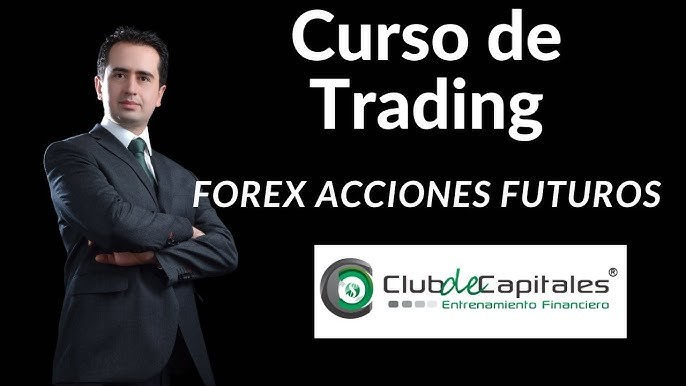
Juan Maldonado is well known in the Spanish-speaking trading community for his Elliott Wave approach. His Forex analysis helps beginners understand market cycles and learn how price patterns form over time. He produces clear forecasts that guide traders through different market conditions.
Trading focus. Uses Elliott Wave theory to explain long-term and short-term movement.
Educational impact. Shares structured lessons through YouTube and online classrooms followed by many Mexican learners.
Achievements. Built a strong reputation for consistent chart breakdowns that simplify complex ideas.
Omar Orozco Trading
Omar Orozco Trading is known for teaching simple Forex concepts through short videos on TikTok and YouTube. His content is easy for beginners to follow, focusing on chart patterns and basic trading steps that help new traders understand how the market moves.
Trading focus. Shares beginner-friendly chart patterns and simple technical setups.
Educational impact. Reaches new Mexican traders through quick tutorials and easy explanations.
Achievements. Built a steady presence by breaking down complex ideas into short, clear lessons.
Contributions of top traders beyond trading
Mexico’s Forex educators support the trading community in more ways than teaching charts. Their work includes guiding beginners, building online groups, and creating simple tools that help traders stay consistent. Their influence reaches new learners who want clear steps and reliable information.
Financial education. These educators help beginners learn how the market works through videos, live lessons, and structured step-by-step guides.
Social media influence. They post daily charts, setups, and reminders about discipline, creating active communities on YouTube, TikTok, and Instagram.
Community support. Many traders follow their groups to ask questions, review charts, and learn simple routines that improve their skills.
Market awareness. Their public analysis helps new traders understand common mistakes and avoid hype-driven decisions.
Challenges for Forex traders in Mexico
Traders in Mexico face several difficulties that slow down their progress in the Forex market. These issues affect beginners the most and make it harder to build consistency.
Regulation. Mexico’s rules for online trading are unclear, so beginners must be careful when choosing platforms and tools.
Scams. Fake mentors and unlicensed brokers target new traders, making it important to check sources before investing.
Access to tools. Many beginners rely on basic apps and do not use charting or risk-analysis tools that improve decision-making.
Market confusion. Fast price changes and limited structured guidance cause traders to make emotional choices instead of planned trades.
Opportunities for new traders
New traders in Mexico have access to resources that make it easier to start learning the Forex market. These options help beginners build skills without taking big risks.
Demo accounts. Many platforms offer free practice accounts so traders can learn how charts and orders work before using real money.
Bilingual education. More courses are now available in English and Spanish, helping traders understand lessons in the language they prefer.
Broker platforms. Regulated brokers provide low-cost accounts that allow beginners to start with small amounts and learn safely.
Community learning. Local trading groups and online forums give new traders a place to ask questions and get simple guidance.
Choosing a reliable broker is a key step for anyone starting Forex trading in Mexico. The platform affects costs, execution, available tools, and overall trading safety, so it should be evaluated carefully before opening an account.
The table below compares leading Forex brokers available in Mexico based on regulation, minimum deposit, and general trading conditions. It gives traders a simple overview of platforms that may suit different experience levels and trading needs.
| IUX | Exness | Pepperstone | XM | GTCFX | |
|---|---|---|---|---|---|
|
Min. deposit, $ |
50 | 10 | No | 5 | 30 |
|
Tradable assets |
152 | 200 | 1200 | 1400 | 27000 |
|
Standard EUR/USD spread |
0.7 | 1.1 | 0.6 | 1.0 | 0.6 |
|
Max. leverage |
1:3000 | 1:2000 | 1:500 | 1:1000 | 1:1000 |
|
Max. Regulation Level |
Tier-1 | Tier-1 | Tier-1 | Tier-1 | Tier-3 |
|
TU overall score |
9.4 | 9.1 | 9.3 | 9.35 | 9.2 |
|
Open an account |
Go to broker Your capital is at risk. |
Go to broker Your capital is at risk.
|
Go to broker Your capital is at risk.
|
Go to broker Your capital is at risk. |
Go to broker Your capital is at risk. |
Forex trading success stories in Mexico
Mexico’s Forex community is growing steadily as more traders share their progress online using platforms like TradingView, Rankia México, YouTube, and Instagram. Instead of focusing on dramatic profits, many Mexican traders highlight real learning experiences, disciplined routines, and responsible risk management. This has created a culture that values transparency and consistency.
Educators such as Nico Moreno Trading, TradingLatino, Juan Maldonado, and Omar Orozco Trading continue to publish live sessions, chart analysis, and step-by-step lessons for beginners. Their content shows practical examples of how traders improve through structured practice. They teach the importance of tracking performance, reviewing mistakes, and following clear strategies that support slow and steady progress.
Across the country, more traders are documenting their own journeys by posting win and loss ratios and keeping public trading journals. This trend helps new traders understand that real success comes from patience, proper risk control, and long-term planning. It also reduces the influence of unrealistic profit claims often found in unregulated communities.
Patience, routine, and small risks create long-term progress

In my years of helping traders in Mexico, I have seen that most people run into trouble because they begin trading before they are ready. They see someone online making fast profits and expect the same results without doing the slow work that builds real skill. When I coach beginners, I always ask them to focus on the basics first. Learn what moves a currency pair, learn how to place a clean trade, and learn how to protect your capital. I encourage them to stay on a demo account until they can follow their plan without hesitation. When they go live, I tell them to keep their risk small so they can learn without putting their savings at risk.
The traders who improve the most are the ones who look at their charts every day, write down what they did right or wrong, and train their mind to stay calm. They stop trying to guess the market and start following a simple routine. With time, this routine builds confidence. If traders slow down, stay patient, and give themselves space to learn, they usually find that progress comes much faster than they expected.
Conclusion
Mexico's top Forex trading community is shaped not by super-rich individuals but by dedicated educators like Nico Moreno and TradingLatino, who prioritize clear, practical lessons for beginners. Their focus on disciplined routines, step-by-step guidance, and transparent progress nurtures responsible trading growth rather than risky speculation. Challenges such as regulation gaps and scams exist, but the culture's emphasis on patience, practice, and risk management has driven steady advancement. In Mexico, real trading success comes not from chasing fast profits but from building solid skills and routines that last.
FAQs
What qualities help the richest Forex traders in Mexico achieve consistent results?
How do Mexican Forex educators influence the trading community beyond sharing market analysis?
What should new Forex traders in Mexico consider before choosing a trading platform?
What are common mistakes that beginners in Mexico make when starting Forex trading?
Editors' Top Picks and Insights






Related Articles
Team that worked on the article
Aleksandra Chaikina has been a contributor to Traders Union since 2021. With over 15 years of experience in copywriting and more than 5 years focused on financial content, she specializes in producing detailed guides, analytics, and comparative reviews across various sectors, including cryptocurrencies, Forex, investment strategies, and financial technologies.
Ciaran Ryan is a veteran financial journalist based in South Africa, where he covers cryptocurrency, mining, stock markets, and governance for Moneyweb. He also hosts the weekly Moneyweb Crypto Podcast.
Chinmay Soni is a financial analyst with more than 5 years of experience in working with stocks, Forex, derivatives, and other assets. As a founder of a boutique research firm and an active researcher, he covers various industries and fields, providing insights backed by statistical data.
Index in trading is the measure of the performance of a group of stocks, which can include the assets and securities in it.
An investor is an individual, who invests money in an asset with the expectation that its value would appreciate in the future. The asset can be anything, including a bond, debenture, mutual fund, equity, gold, silver, exchange-traded funds (ETFs), and real-estate property.
Bitcoin is a decentralized digital cryptocurrency that was created in 2009 by an anonymous individual or group using the pseudonym Satoshi Nakamoto. It operates on a technology called blockchain, which is a distributed ledger that records all transactions across a network of computers.
CFD is a contract between an investor/trader and seller that demonstrates that the trader will need to pay the price difference between the current value of the asset and its value at the time of contract to the seller.
Forex trading, short for foreign exchange trading, is the practice of buying and selling currencies in the global foreign exchange market with the aim of profiting from fluctuations in exchange rates. Traders speculate on whether one currency will rise or fall in value relative to another currency and make trading decisions accordingly. However, beware that trading carries risks, and you can lose your whole capital.

-
 Afghanistan
-
 Albania
-
 Algeria
-
 Angola
-
 Argentina
-
 Armenia
-
 Australia
-
 Austria
-
 Azerbaijan
-
 Bahamas
-
 Bahrain
-
 Bangladesh
-
 Belarus
-
 Belgium
-
 Bolivia
-
 Botswana
-
 Brazil
-
 Brunei
-
 Bulgaria
-
 Cambodia
-
 Cameroon
-
 Canada
-
 Chile
-
 China
-
 Colombia
-
 Congo
-
 Costa Rica
-
 Cote d'Ivoire
-
 Croatia
-
 Cuba
-
 Cyprus
-
 Czechia
-
 DR Congo
-
 Denmark
-
 Dominican Republic
-
 Ecuador
-
 Egypt
-
 El Salvador
-
 Estonia
-
 Eswatini
-
 Ethiopia
-
 Finland
-
 France
-
 Georgia
-
 Germany
-
 Ghana
-
 Greece
-
 Haiti
-
 Hong Kong
-
 Hungary
-
 India
-
 Indonesia
-
 Iran, Islamic republic
-
 Iraq
-
 Ireland
-
 Israel
-
 Italy
-
 Jamaica
-
 Japan
-
 Jordan
-
 Kazakhstan
-
 Kenya
-
 Korea
-
 Kuwait
-
 Kyrgyzstan
-
 Laos
-
 Latvia
-
 Lebanon
-
 Lesotho
-
 Libya
-
 Lithuania
-
 Luxembourg
-
 Madagascar
-
 Malaysia
-
 Malta
-
 Mauritius
-
 Mexico
-
 Moldova
-
 Mongolia
-
 Montenegro
-
 Morocco
-
 Mozambique
-
 Myanmar
-
 Namibia
-
 Nepal
-
 Netherlands
-
 New Zealand
-
 Nigeria
-
 North Macedonia
-
 Norway
-
 Oman
-
 Pakistan
-
 Palestine
-
 Panama
-
 Papua New Guinea
-
 Paraguay
-
 Peru
-
 Philippines
-
 Poland
-
 Portugal
-
 Puerto Rico
-
 Qatar
-
 Reunion
-
 Romania
-
 Rwanda
-
 Saudi Arabia
-
 Serbia
-
 Singapore
-
 Slovakia
-
 Slovenia
-
 Somalia
-
 South Africa
-
 Spain
-
 Sri Lanka
-
 Sweden
-
 Switzerland
-
 Syria
-
 Taiwan
-
 Tajikistan
-
 Tanzania
-
 Thailand
-
 Trinidad and Tobago
-
 Tunisia
-
 Turkey
-
 UAE
-
 Uganda
-
 Ukraine
-
 United Kingdom
-
United States
-
 Uruguay
-
 Uzbekistan
-
 Venezuela
-
 Vietnam
-
 Yemen
-
 Zambia
-
 Zimbabwe
- Forex
- Crypto












