
Top Forex Traders In Thailand And How They Made It


Editorial Note: While we adhere to strict Editorial Integrity, this post may contain references to products from our partners. Here's an explanation for How We Make Money. None of the data and information on this webpage constitutes investment advice according to our Disclaimer.
The richest Forex traders in Thailand:
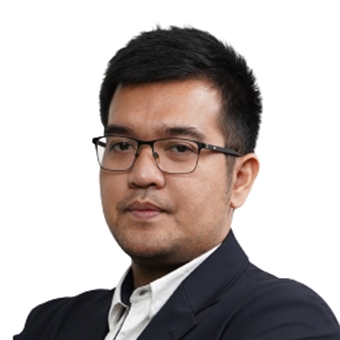
Worawat “Acme” Narknawdee. Founder of the Traderist community.
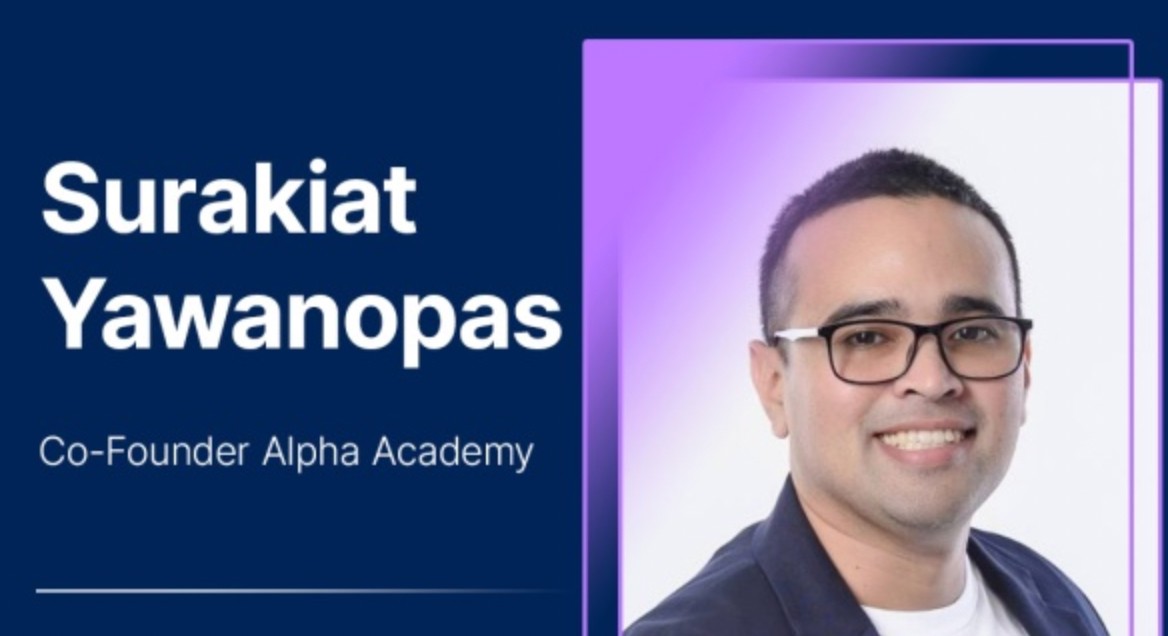
Surakiat Yawanopas. Co-founder of Alpha Academy.
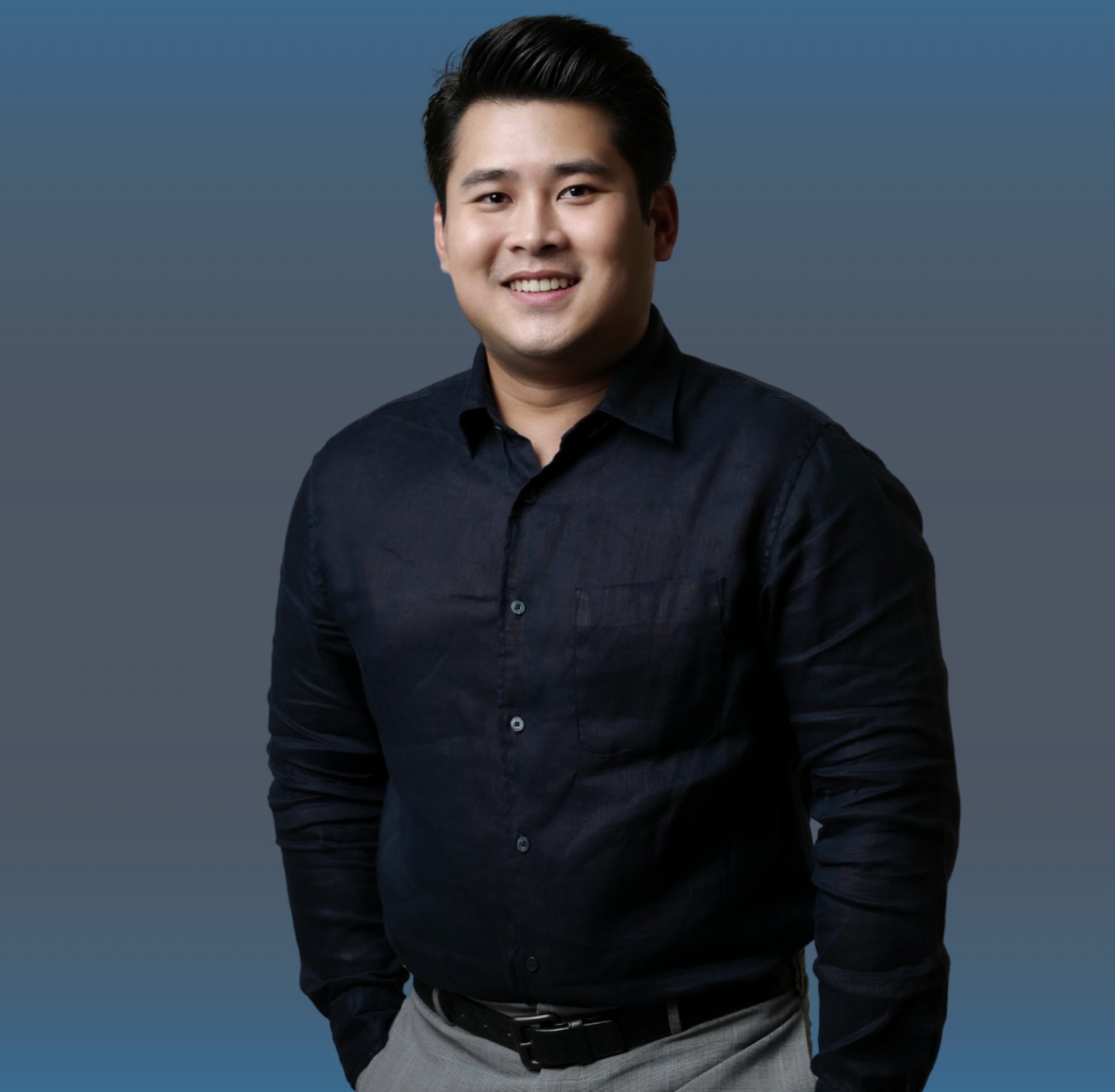
Nutthanaphon “Coach Duke.” DX Academy head and FTMO-funded.
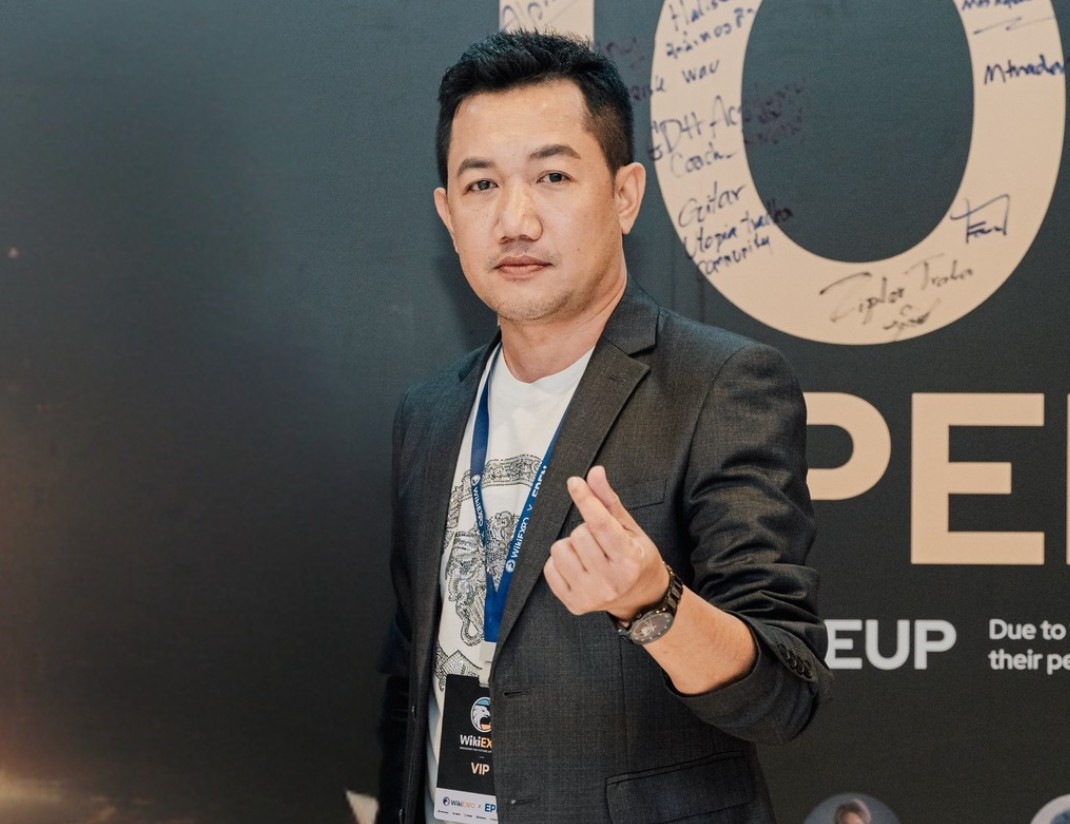
Sunthorn Buathong. Founder of The Trader brand.
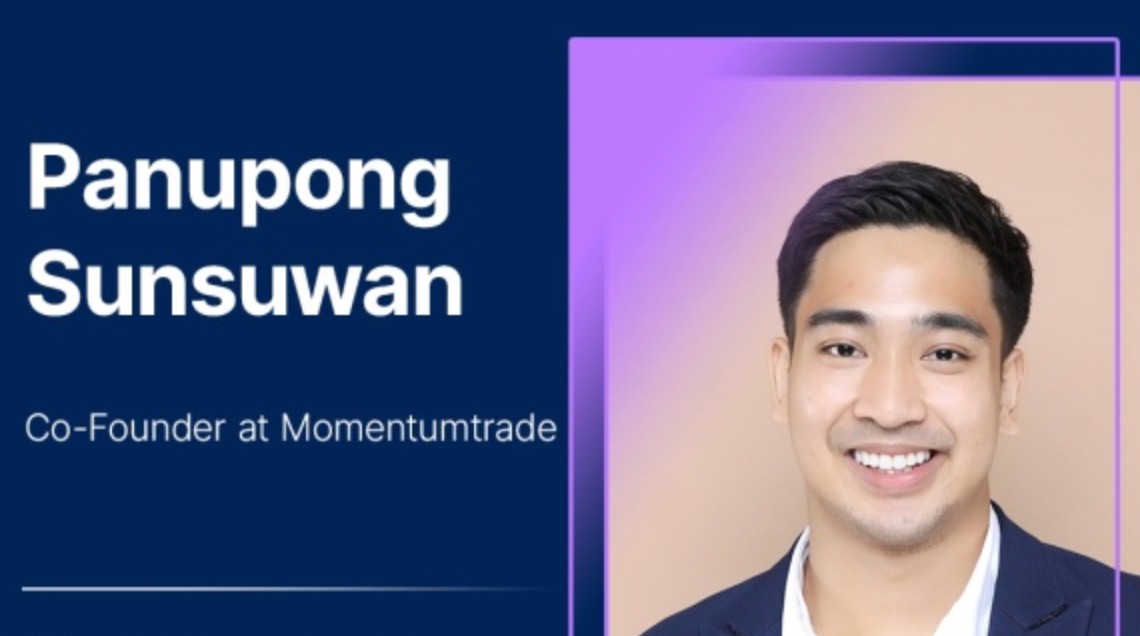
Panupong Sunsuwan. Co-founder of Momentumtrade.
Thailand’s Forex trading scene has grown remarkably in recent years, attracting both beginners and seasoned investors. The rise of online trading platforms, accessible learning tools, and favorable regulations has created a thriving ecosystem for the best traders in Thailand to flourish. This growth has also encouraged countless newcomers to explore global currency markets.
The achievements of the richest Forex traders in Thailand have played a major role in shaping this momentum. Their success stories continue to inspire aspiring traders across the nation, boosting financial literacy and fueling broader economic progress.
Most popular Forex traders in Thailand
Worawat “Acme” Narknawdee (Acme Traderist)
Worawat Narknawdee, widely known as Acme Traderist, is a Thai trader/entrepreneur and community builder who blends trading, fintech ventures, and large-scale education events. His brand highlights a decade-plus journey from early crypto mining to trading/education, with a sizable Thai following across Facebook, YouTube, and his own portal.

Key facts:
Founder of “Traderist.” Runs nationwide meet-ups, live trading camps, and community initiatives.
High-visibility media profile. Covered by Bangkok Biz News as a prominent Thai trader/fintech entrepreneur.
Large Thai social following. Official Facebook page shows six-figure follower counts.
Active content & events. Hosts “Traderist Reunion,” “Forex Warrior Online Camp,” and live sessions.
Surakiat Yawanopas
Surakiat is a Thailand-based trader/mentor and co-founder of Alpha Academy. He appears as a judge/industry expert in WikiFX’s Thailand “SkyLine” guide and in Wiki Finance Expo speaker lineups, positioning him among the visible names in Thailand’s retail-FX scene.
Key facts:
Alpha Academy co-founder. Known for education and trader development.
Recognized industry judge. Listed on WikiFX “SkyLine” Thailand judging panel.
Private fund/mentor profile. Alpha Academy pages and posts reference his fund/mentoring role.
Event presence. Regularly appears in Thailand-focused FX events/guides.
Local influence focus. SkyLine emphasizes locally influential experts for broker selection.
Nutthanaphon Akkarawatcharaphat (“Coach Duke,” DX Academy)
Nutthanaphon, often referenced alongside DX Academy, is cited by multiple event/guideline pages as an FTMO funded trader who has ranked highly on the platform’s leaderboard and serves as a SkyLine judge in Thailand. He forefronts trader training and live analysis within the DX ecosystem.
Key facts:
DX Academy founder/coach. Thai trading academy with offices and thousands of students.
FTMO leaderboard accolades (claimed). Repeatedly cited by event pages/press as #1 at one point.
SkyLine Thailand judge. Listed as an expert on the local broker-selection panel.
Active social/YouTube ecosystem.DX Academy and affiliated instructors maintain ongoing content.
Community outreach. Frequent live sessions and workshops around FX/gold trading.
Sunthorn Buathong (The Trader)
Sunthorn is the founder of “The Trader” brand in Thailand and is profiled by FX event/social announcements as an experienced market participant and community leader. His public pages emphasize analysis (including Elliott Wave) and trader education.
Key facts:
Founder of The Trader. Thai community/education brand focused on trading analysis.
Long-time practitioner. Posts indicate active trading since the early 2010s.
Event presence. Featured in Thailand trader-event announcements.
Analysis-first positioning. Emphasizes structured frameworks (e.g., wave analysis).
Local influence noted by media lists. Included among Thai experts highlighted around SkyLine/WikiFX-linked content.
Panupong Sunsuwan (Momentumtrade)
Panupong is co-founder of Momentumtrade and a regular face at Wiki Finance Expo Bangkok and SkyLine/“Thailand Elites’ View” community features. His commentary stresses discipline, risk control, and broker selection for Thai traders.
Key facts:
Co-founded Momentumtrade. Thai trading/education outfit with event visibility.
Quoted on trading philosophy. Public remarks on patience and emotional control.
Recognized on expert lists. Named in SkyLine judge/expert rosters.
Active social pages. Event posts and IG quotes reinforce public footprint.
Industry outreach. Participates in expos/panels for Thai retail traders.
Contributions of top traders beyond trading
Financial education
Collectively, these traders have trained over 100,000 students, offering both online and offline courses that cover various aspects of Forex trading. Their educational initiatives have significantly improved financial literacy in Thailand.
Social media & influence
With a combined following exceeding 700K, these traders utilize social media platforms to share insights, market analyses, and motivational content, fostering a vibrant trading community.
Challenges faced by Forex traders in Thailand
Regulatory environment
Dual guardianship, distinct mandates. The central bank governs foreign exchange and capital flow rules, while market regulators supervise securities and derivatives where currency futures trade.
Controlled doors to the outside. Policy relaxations allow Thai retail investors to send money offshore to invest directly in foreign securities and derivatives through compliant routes.
Use reputable regulators principle. Guidance encourages selecting foreign providers regulated by reputable international authorities to filter broker choices.
Local alternative via TFEX. Residents can trade USD/THB futures with circuit breakers, price limits, and clearly defined day and night sessions.
Investor protection momentum. Recent rulemaking trends emphasise clearer risk labelling, suitability checks, and simulator use before accessing complex products.
| Agency | Core role for FX or derivatives | What traders should know |
|---|---|---|
| Central bank | FX controls and remittances | Ensure offshore funding aligns with documentation requirements |
| Securities regulator | Capital markets and investor protection | Reviews product rules and acceptable foreign regulatory standards |
| TFEX (under the exchange) | Exchange-traded derivatives including FX futures | Offers USD/THB futures with price limits and defined sessions |
Market volatility
Liquidity keeps rising. Global FX turnover has grown materially in recent years, increasing the speed and depth of moves around macro events.
Overlap hours magnify moves. The London and New York overlap concentrates interbank flow and major news, driving spread changes and stop runs on the main pairs.
Leverage rules shape tail risk. Jurisdictions with lower retail leverage caps dampen tail events, while higher caps elsewhere leave traders exposed to sharper gap risk and margin calls.
Contract design tempers swings. Exchange-traded USD/THB futures apply price limits and trading halts that can reduce disorderly spikes relative to over-the-counter quotes.
| Risk lever | Practical adjustment | Why it helps |
|---|---|---|
| Session timing | Reduce size after midnight and pre-place OCO orders | Cuts fatigue errors during overlap surges |
| Instrument choice | Use USD/THB futures for event risk | Price limits and halts can cushion extremes |
| Leverage discipline | Mirror conservative caps even with offshore accounts | Normalises risk to widely tested limits |
Access to quality education
Thai-first learning remains thin. Financial-literacy initiatives exist, but advanced Thai-language FX curricula with risk labs and objective assessments are limited compared with English offerings.
Language hurdles limit source breadth. Lower English proficiency can push traders toward simplified social content instead of primary research, which reduces strategy depth.
Structured literacy beats tips. Strong programmes measure knowledge, behaviour, and attitudes, requiring demonstrations of risk comprehension rather than memorising pattern names.
University-market gap. Studies highlight uneven outcomes and skill gaps, suggesting that simulator-based risk labs and case-led modules can close the execution gap for new traders.
| Module | Proof of learning | Why it’s essential |
|---|---|---|
| Position sizing and margin | Pass or fail scenarios at multiple leverage levels | Builds practical leverage intuition |
| Session microstructure | Graded trade journal focused on overlap hours | Links timing windows to outcomes |
| Instrument selection | Futures versus OTC case studies around USD/THB | Teaches when exchange mechanics are preferable |
| Compliance basics | Checklist aligned with domestic guidance | Reduces funding errors and broker-vetting mistakes |
Opportunities for new traders
Educational resources. Use free and paid courses offered by established traders and institutions.
Community engagement. Join online forums and local trading groups to exchange knowledge and experiences.
Demo accounts. Practice trading strategies using demo accounts provided by reputable brokers.
| Trading.com USA | Plus500 | OANDA | FOREX.com | Venom by Cobra Trading | |
|---|---|---|---|---|---|
|
Demo |
Yes | Yes | Yes | Yes | Yes |
|
Stocks |
No | Yes | Yes | Yes | Yes |
|
Currency pairs |
69 | 60 | 68 | 80 | 40 |
|
Min. deposit, $ |
50 | 100 | No | 100 | 5000 |
|
Regulation |
CFTC, NFA | CySEC, FCA, ASIC, FMA, FSCA, FSA Seychelles, EFSA, MAS, DFSA, SCB | FSC (BVI), ASIC, IIROC, FCA, CFTC, NFA | CIMA, FCA, FSA (Japan), NFA, IIROC, ASIC, CFTC | SEC, FINRA, NFA/CFTC (licenses: SEC#: 8-66548, CRD#: 132078, ID: 0402075) |
|
TU overall score |
8.75 | 7.54 | 6.86 | 6.83 | 6.8 |
|
Open an account |
Go to broker Your capital is at risk. |
Go to broker 80% of retail CFD accounts lose money. |
Go to broker Your capital is at risk. |
Study review | Study review |
Lessons for aspiring Forex traders
Begin with structured micro trading. Starting with micro-lot accounts or demo simulations helps traders understand volatility reactions, execution delays, and spread effects without risking substantial capital. This builds decision-making muscle memory and data-driven confidence.
Prioritize evidence-based learning. Don’t just “learn continuously”, focus on verifying each strategy through backtesting and forward testing across multiple timeframes. Analytical learning involves measuring strategy expectancy, win-loss ratios, and drawdown correlations, not merely watching tutorials.
Master volatility mapping. Every currency pair behaves differently during economic releases or central bank interventions. Successful traders quantify volatility zones, identify breakout compression levels, and adjust position sizing dynamically to avoid being trapped during liquidity gaps.
Develop algorithmic awareness. In modern Forex, algorithms dominate order flows. Understanding how high-frequency trading, liquidity providers, and institutional algorithms affect spreads and candle wicks allows traders to time entries with precision rather than reacting blindly.
Maintain quantified emotional control. Track your emotional performance metrics the same way you track P&L. Use behavioral journaling to note impulsive trades, revenge entries, or hesitation patterns. Over time, data from your trading psychology log becomes as valuable as technical indicators.
Thailand's top Forex traders use baht seasonality and local liquidity windows to scale capital
If you want to trade like Thailand’s richest Forex players in 2026, stop treating strategies as generic black boxes and start treating the baht as a regional microstructure play. The richest local traders obsess over when liquidity pools open and thin, think Tokyo close, London open, and Bangkok’s own business hours, because slippage and spread behavior change predictably around those windows.
Do a simple experiment: for two weeks trade tiny positions (micro-lots) at fixed times (Tokyo open, London open, Bangkok lunch, London close) and log spread and slippage in a spreadsheet. The patterns you find will tell you when market makers widen quotes, when liquidity providers hedge offshore, and where you can legitimately scalp without hidden costs. That little timing edge is often worth more than any fancy indicator.
Beyond timing, the really wealthy Thai traders use structural advantages that beginners can emulate without magic: access and account type. Many top players route through local corporate or institutional desks to get tighter quoting and direct liquidity access, and they build relationships with Bangkok market makers for bespoke executions.
For an individual beginner, that translates to two practical moves: (1) open a trading relationship with a broker that offers local clearing or an institutional desk, and (2) organize your risk sizing around local-event regimes, tourism peaks, rice-export cycles and monsoon-related commodity swings, rather than global headlines alone. Combine micro-lot testing, time-of-day rules, and regime-aware position sizing and you’ll trade with the same structural mindset the big players use, while keeping your losses survivable.
Conclusion
The richest Forex traders in Thailand for 2026 exemplify how strategic acumen and disciplined risk management carve paths to extraordinary wealth in volatile markets. Their journeys highlight that success is not merely about capital, but also about the ability to adapt and evolve with shifting trends—a skill perfectly embodied by leading figures like Somchai Lek and Natthapol Wiwatson. Their distinct approaches, ranging from aggressive day trading to long-term trend analysis, have not only built impressive net worths but have also set benchmarks for aspiring traders. Ultimately, the dominance of these market leaders underscores one powerful truth: in the world of Forex, informed decisiveness stands as the supreme currency of success.
FAQs
How does the regulatory environment in Thailand impact Forex trading opportunities?
What are common challenges faced by new Forex traders in Thailand beyond capital or market knowledge?
How do Thailand’s richest Forex traders use technology and data to gain a trading advantage?
What educational approaches have proven most effective for Thai Forex traders aiming for long-term success?
Editors' Top Picks and Insights
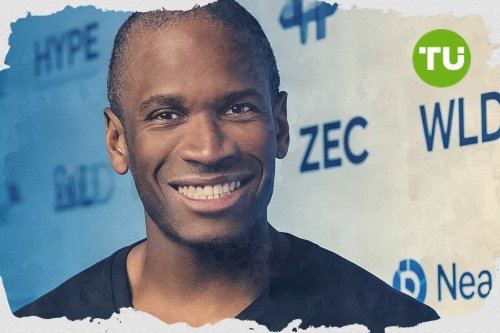
From “Holy Trinity” to WLD crash: How Arthur Hayes became a market-moving seller

The world's first trillionaire: How Musk built his fortune on electric cars, space and AI

How precious-metals mining revival is reshaping portfolios in 2026
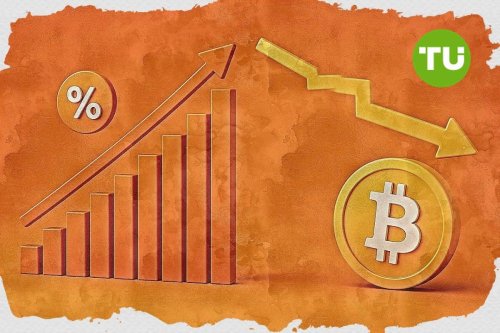
Bitcoin price prediction after CPI rise: Is BTC headed for deeper losses?

Five years with Bitcoin: How El Salvador changed after legalizing BTC

Crypto on the court: How NBA Finals became a showcase for Ledger
Related Articles
Team that worked on the article
Andreas Kristo Saragih is a seasoned equity research analyst with over a decade of experience across both buy-side and sell-side roles, focused on the Indonesian capital market. He has extensive sector coverage, including banking, consumer goods, retail, real estate, healthcare, transportation, poultry, cement, pharmaceuticals, construction, and infrastructure.
Dan Blystone began his trading career in 1998 as an arbitrage clerk on the floor of the Chicago Mercantile Exchange (CME). He later traded bond and Eurex futures at proprietary firms such as Altea Trading, gaining valuable experience in high-frequency trading and risk management.
Chinmay Soni is a financial analyst with more than 5 years of experience in working with stocks, Forex, derivatives, and other assets. As a founder of a boutique research firm and an active researcher, he covers various industries and fields, providing insights backed by statistical data.

-
 Afghanistan
-
 Albania
-
 Algeria
-
 Angola
-
 Argentina
-
 Armenia
-
 Australia
-
 Austria
-
 Azerbaijan
-
 Bahamas
-
 Bahrain
-
 Bangladesh
-
 Belarus
-
 Belgium
-
 Bolivia
-
 Botswana
-
 Brazil
-
 Brunei
-
 Bulgaria
-
 Cambodia
-
 Cameroon
-
 Canada
-
 Chile
Chile
-
 China
China
-
 Colombia
-
 Congo
Congo
-
 Costa Rica
-
 Cote d'Ivoire
-
 Croatia
-
 Cuba
Cuba
-
 Cyprus
-
 Czechia
-
 DR Congo
-
 Denmark
-
 Dominican Republic
-
 Ecuador
-
 Egypt
Egypt
-
 El Salvador
-
 Estonia
-
 Eswatini
-
 Ethiopia
-
 Finland
-
 France
-
 Georgia
-
 Germany
-
 Ghana
Ghana
-
 Greece
-
 Haiti
Haiti
-
 Hong Kong
-
 Hungary
-
 India
India
-
 Indonesia
-
 Iran, Islamic republic
-
 Iraq
Iraq
-
 Ireland
-
 Israel
-
 Italy
Italy
-
 Jamaica
-
 Japan
Japan
-
 Jordan
-
 Kazakhstan
-
 Kenya
Kenya
-
 Korea
Korea
-
 Kuwait
-
 Kyrgyzstan
-
 Laos
Laos
-
 Latvia
-
 Lebanon
-
 Lesotho
-
 Libya
Libya
-
 Lithuania
-
 Luxembourg
-
 Madagascar
-
 Malaysia
-
 Malta
Malta
-
 Mauritius
-
 Mexico
-
 Moldova
-
 Mongolia
-
 Montenegro
-
 Morocco
-
 Mozambique
-
 Myanmar
-
 Namibia
-
 Nepal
Nepal
-
 Netherlands
-
 New Zealand
-
 Nigeria
-
 North Macedonia
-
 Norway
-
 Oman
Oman
-
 Pakistan
-
 Palestine
-
 Panama
-
 Papua New Guinea
-
 Paraguay
-
 Peru
Peru
-
 Philippines
-
 Poland
-
 Portugal
-
 Puerto Rico
-
 Qatar
Qatar
-
 Reunion
-
 Romania
-
 Rwanda
-
 Saudi Arabia
-
 Serbia
-
 Singapore
-
 Slovakia
-
 Slovenia
-
 Somalia
-
 South Africa
-
 Spain
Spain
-
 Sri Lanka
-
 Sweden
-
 Switzerland
-
 Syria
Syria
-
 Taiwan
-
 Tajikistan
-
 Tanzania
-
 Thailand
-
 Trinidad and Tobago
-
 Tunisia
-
 Turkey
-
 UAE
UAE
-
 Uganda
-
 Ukraine
-
 United Kingdom
-
United States
-
 Uruguay
-
 Uzbekistan
-
 Venezuela
-
 Vietnam
-
 Yemen
Yemen
-
 Zambia
-
 Zimbabwe
- Forex
- Crypto












