
Natural gas price weakens on record output and soft demand
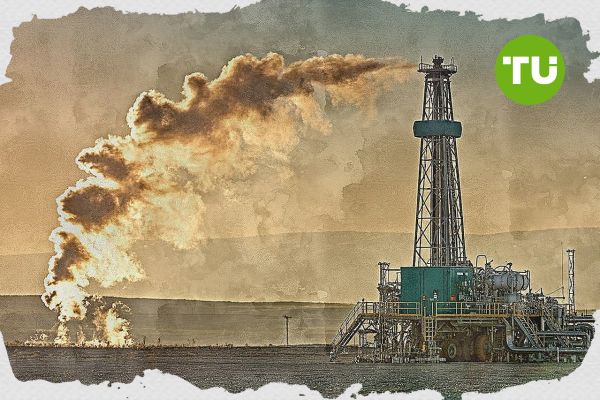
U.S. natural gas futures are under pressure, trading near $3.096 per million British thermal units (MMBtu) as of July 24, marking the lowest price since late April. Traders are reacting to updated weather forecasts showing weaker-than-expected heat across the U.S., alongside continued record-breaking production.
Highlights
- Natural gas trades at $3.096 after breaking key support below $3.10
- Record July output of 107.2 bcfd weighs on sentiment despite strong LNG flows
- Cooling demand expected to soften amid milder heat forecast into early August
These developments have combined to weaken bullish expectations, despite strong LNG export levels. Technically, natural gas broke below a key ascending triangle structure earlier this week, losing the $3.10–$3.12 support zone that had underpinned bullish setups since late 2023. Price action has also dropped beneath the 20, 50, 100, and 200-day exponential moving averages, now clustered between $3.38 and $3.50. The RSI (14) has declined to 36.99, suggesting a bearish momentum shift.

Natural Gas Price Dynamics (Source: TradingView)
The market is now testing a support band between $3.05 and $2.95. This zone has historically attracted dip buyers, but failure to hold may expose downside toward $2.75 or even $2.60. Traders are watching for any signs of a reclaim above $3.30–$3.35 as a potential reversal zone, though without structural improvement or fresh catalysts, rebounds are expected to be shallow.
Supply and demand imbalance favors sellers
July’s Lower 48 production has climbed to a record 107.2 billion cubic feet per day (bcfd), surpassing the June high of 106.4 bcfd. This has kept storage levels 6% above seasonal norms, reducing the urgency for aggressive near-term buying.
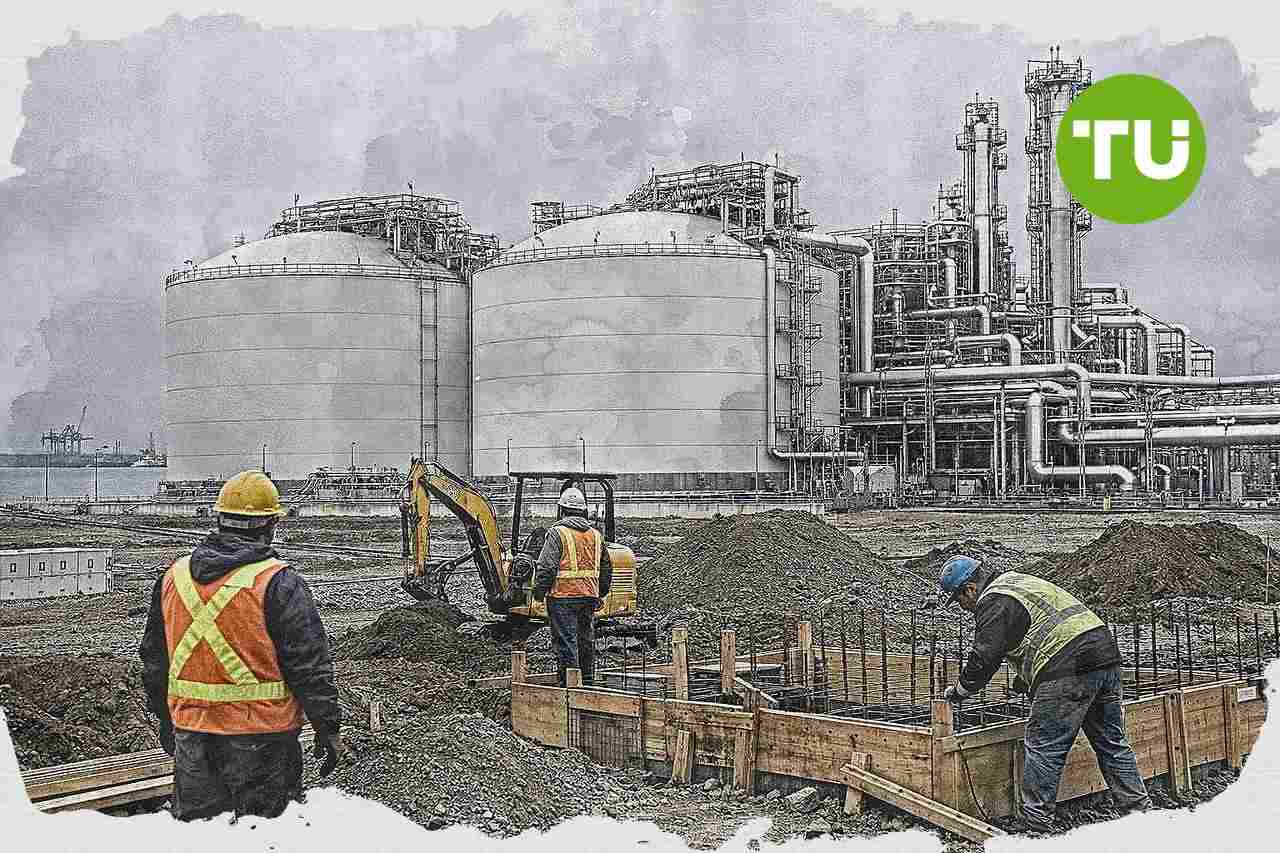
While LNG exports remain strong, currently around 15.8 bcfd—the gains have not been enough to absorb the excess supply. Weather forecasts through August 6 show above-average temperatures, but the revised outlook now anticipates less intense heatwaves, thereby reducing expected gas-fired cooling demand.
Our earlier coverage emphasized the risk of technical failure if $3.10 broke, as well as the importance of revised weather inputs. Both conditions have played out, with natural gas now in a vulnerable position unless supply slows or extreme heat returns to shift demand dynamics quickly.


Latest Natural Gas News





-
 Afghanistan
-
 Albania
-
 Algeria
-
 Angola
-
 Argentina
-
 Armenia
-
 Australia
-
 Austria
-
 Azerbaijan
-
 Bahamas
-
 Bahrain
-
 Bangladesh
-
 Belarus
-
 Belgium
-
 Bolivia
-
 Botswana
-
 Brazil
-
 Brunei
-
 Bulgaria
-
 Cambodia
-
 Cameroon
-
 Canada
-
 Chile
Chile
-
 China
China
-
 Colombia
-
 Congo
Congo
-
 Costa Rica
-
 Cote d'Ivoire
-
 Croatia
-
 Cuba
Cuba
-
 Cyprus
-
 Czechia
-
 DR Congo
-
 Denmark
-
 Dominican Republic
-
 Ecuador
-
 Egypt
Egypt
-
 El Salvador
-
 Estonia
-
 Eswatini
-
 Ethiopia
-
 Finland
-
 France
-
 Georgia
-
 Germany
-
 Ghana
Ghana
-
 Greece
-
 Haiti
Haiti
-
 Hong Kong
-
 Hungary
-
 India
India
-
 Indonesia
-
 Iran, Islamic republic
-
 Iraq
Iraq
-
 Ireland
-
 Israel
-
 Italy
Italy
-
 Jamaica
-
 Japan
Japan
-
 Jordan
-
 Kazakhstan
-
 Kenya
Kenya
-
 Korea
Korea
-
 Kuwait
-
 Kyrgyzstan
-
 Laos
Laos
-
 Latvia
-
 Lebanon
-
 Lesotho
-
 Libya
Libya
-
 Lithuania
-
 Luxembourg
-
 Madagascar
-
 Malaysia
-
 Malta
Malta
-
 Mauritius
-
 Mexico
-
 Moldova
-
 Mongolia
-
 Montenegro
-
 Morocco
-
 Mozambique
-
 Myanmar
-
 Namibia
-
 Nepal
Nepal
-
 Netherlands
-
 New Zealand
-
 Nigeria
-
 North Macedonia
-
 Norway
-
 Oman
Oman
-
 Pakistan
-
 Palestine
-
 Panama
-
 Papua New Guinea
-
 Paraguay
-
 Peru
Peru
-
 Philippines
-
 Poland
-
 Portugal
-
 Puerto Rico
-
 Qatar
Qatar
-
 Reunion
-
 Romania
-
 Rwanda
-
 Saudi Arabia
-
 Serbia
-
 Singapore
-
 Slovakia
-
 Slovenia
-
 Somalia
-
 South Africa
-
 Spain
Spain
-
 Sri Lanka
-
 Sweden
-
 Switzerland
-
 Syria
Syria
-
 Taiwan
-
 Tajikistan
-
 Tanzania
-
 Thailand
-
 Trinidad and Tobago
-
 Tunisia
-
 Turkey
-
 UAE
UAE
-
 Uganda
-
 Ukraine
-
 United Kingdom
-
United States
-
 Uruguay
-
 Uzbekistan
-
 Venezuela
-
 Vietnam
-
 Yemen
Yemen
-
 Zambia
-
 Zimbabwe
- Forex
- Crypto












