
Middle East war: Fortrade examines which assets could be affected and how
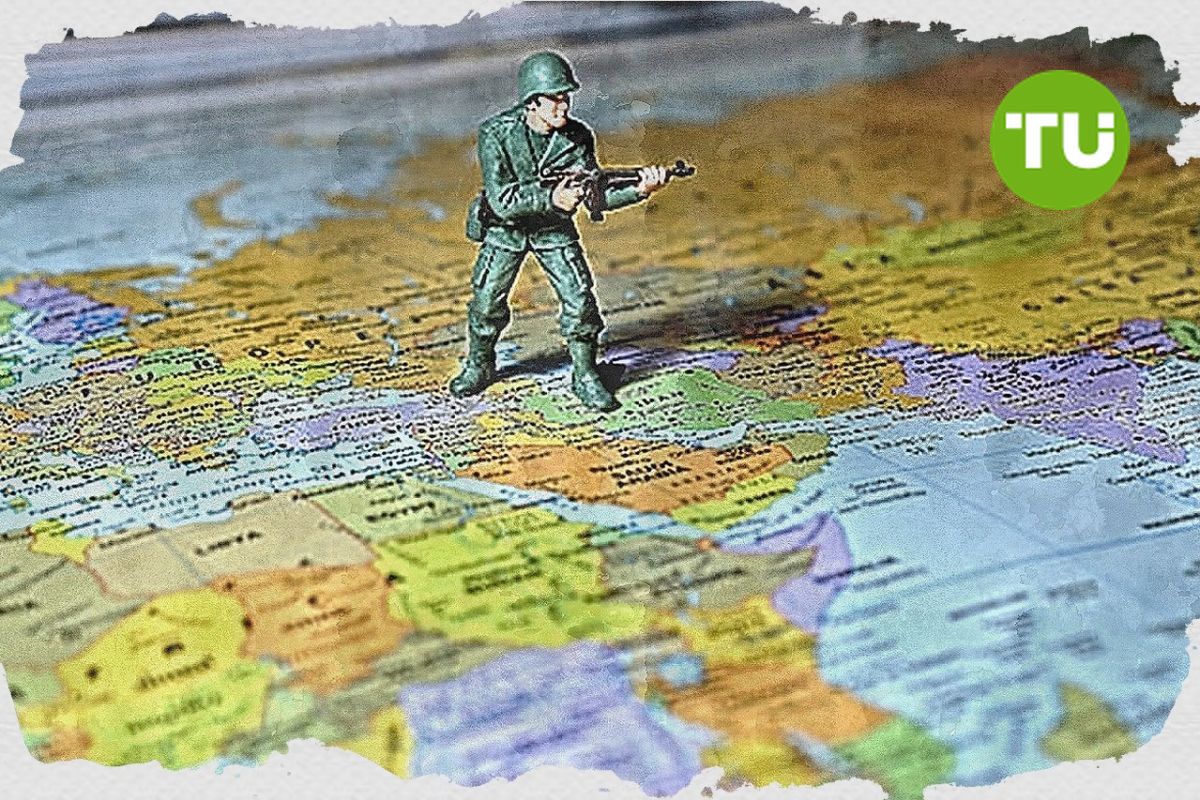
The ongoing conflict in the Middle East has once again placed global financial markets under pressure, reminding investors how quickly geopolitical risk can ripple across financial instuments. From oil to equities and currencies, reactions have been swift, though not always uniform.

- Chosen by 3 200+ local traders in the last 3 months.
- Traders earn on average 12% more per month vs other brokers.
According to Fortrade, an FCA-regulated brokerage, what stands out most in the current environment is not just the volatility itself, but how rapidly sentiment shifts in response to new developments. This article looks at how major markets have behaved so far and what may lie ahead, depending on how the situation evolves.
Energy markets remain highly sensitive
Energy prices were the first to react when tensions escalated. Oil price, in particular, surged as markets began pricing in the possibility of disruptions to supply routes in the region. The Strait of Hormuz, a critical passage for global oil shipments, quickly became a focal point, and even the perception of risk was enough to push prices significantly higher.
At one stage, crude oil price moved sharply upward from pre-conflict levels, reflecting fears of supply constraints rather than actual shortages. More recently, however, prices have shown signs of easing as diplomatic signals and talk of de-escalation emerged. This push-and-pull dynamic highlights just how reactive the market has become.
According to Fortrade, the energy sector is currently being driven as much by expectations as by fundamentals. Traders are responding to headlines, not just data, which explains the sharp swings seen in recent weeks. If tensions begin to ease in a sustained way, energy prices could stabilize. On the other hand, any escalation involving infrastructure or shipping routes could quickly reignite upward pressure.

Equities show resilience despite early volatility
Global stock markets initially reacted with caution, with broad indices slipping into correction territory as uncertainty spread. Concerns around inflation, supply chain disruptions, and slowing economic growth weighed on day trading sentiment. Yet, the downturn was relatively short-lived.
In the weeks that followed, many markets began to recover, suggesting that investors are not yet pricing in a worst-case scenario. This rebound has been uneven, however, with some sectors performing far better than others. Energy-related companies have benefited from higher prices, while industries sensitive to fuel costs, such as aviation, have faced renewed pressure.
Analysts from Fortrade point out that equity markets are currently balancing two competing narratives. On one hand, there is concern about prolonged instability. On the other, there is a belief that the conflict may remain contained and not derail global growth entirely. This tension is likely to keep markets fluctuating rather than moving in a clear direction.
If the situation stabilizes, equities could continue their gradual recovery. If not, renewed volatility would not be surprising, particularly in regions more exposed to energy costs and trade disruptions.
Gold and safe-haven demand remain elevated
Gold has once again demonstrated its role as a refuge during times of uncertainty. Prices climbed as tensions escalated, reflecting a broader shift toward assets perceived as stable. This movement was not linear, however, as periods of optimism around diplomatic progress triggered temporary pullbacks.
Even so, the overall trend has remained supported by ongoing uncertainty. Investors appear to be holding onto defensive positions, suggesting that confidence in a quick resolution is still limited.
According to Fortrade, gold’s behavior is often less about immediate events and more about the broader perception of risk. When uncertainty becomes embedded in the outlook, demand for safe-haven assets tends to persist. This explains why prices have remained relatively firm even during moments of temporary calm.
Should the conflict move toward a clear resolution, some of this demand may fade. But if tensions linger or expand, gold could continue to find support as a hedge against both geopolitical and economic risks.
What happens next will shape market direction
The path forward remains uncertain, and much will depend on how the conflict develops. A move toward de-escalation would likely ease pressure on energy markets and support broader risk sentiment. In contrast, a prolonged or intensifying situation could keep volatility elevated and reinforce defensive positioning.
Fortrade notes that markets at this stage appear cautiously optimistic, but that optimism is fragile. Price movements continue to reflect changing expectations rather than confirmed outcomes, which means sudden reversals remain a possibility.
Final thoughts
The Middle East conflict has once again illustrated how interconnected global markets are. Energy prices, equities, safe-haven instruments, and currencies have all responded in different ways, creating a complex and constantly evolving landscape.
According to Fortrade, periods like this are less about drawing firm conclusions and more about understanding relationships between assets. While markets have shown resilience so far, the situation remains fluid, and reactions can shift quickly as new information emerges.
In that sense, the current environment is defined not just by the conflict itself, but by how markets interpret each new development and how those interpretations translate into price action across the global financial system.


Latest Brokers News







-
 Afghanistan
-
 Albania
-
 Algeria
-
 Angola
-
 Argentina
-
 Armenia
-
 Australia
-
 Austria
-
 Azerbaijan
-
 Bahamas
-
 Bahrain
-
 Bangladesh
-
 Belarus
-
 Belgium
-
 Bolivia
-
 Botswana
-
 Brazil
-
 Brunei
-
 Bulgaria
-
 Cambodia
-
 Cameroon
-
 Canada
-
 Chile
Chile
-
 China
China
-
 Colombia
-
 Congo
Congo
-
 Costa Rica
-
 Cote d'Ivoire
-
 Croatia
-
 Cuba
Cuba
-
 Cyprus
-
 Czechia
-
 DR Congo
-
 Denmark
-
 Dominican Republic
-
 Ecuador
-
 Egypt
Egypt
-
 El Salvador
-
 Estonia
-
 Eswatini
-
 Ethiopia
-
 Finland
-
 France
-
 Georgia
-
 Germany
-
 Ghana
Ghana
-
 Greece
-
 Haiti
Haiti
-
 Hong Kong
-
 Hungary
-
 India
India
-
 Indonesia
-
 Iran, Islamic republic
-
 Iraq
Iraq
-
 Ireland
-
 Israel
-
 Italy
Italy
-
 Jamaica
-
 Japan
Japan
-
 Jordan
-
 Kazakhstan
-
 Kenya
Kenya
-
 Korea
Korea
-
 Kuwait
-
 Kyrgyzstan
-
 Laos
Laos
-
 Latvia
-
 Lebanon
-
 Lesotho
-
 Libya
Libya
-
 Lithuania
-
 Luxembourg
-
 Madagascar
-
 Malaysia
-
 Malta
Malta
-
 Mauritius
-
 Mexico
-
 Moldova
-
 Mongolia
-
 Montenegro
-
 Morocco
-
 Mozambique
-
 Myanmar
-
 Namibia
-
 Nepal
Nepal
-
 Netherlands
-
 New Zealand
-
 Nigeria
-
 North Macedonia
-
 Norway
-
 Oman
Oman
-
 Pakistan
-
 Palestine
-
 Panama
-
 Papua New Guinea
-
 Paraguay
-
 Peru
Peru
-
 Philippines
-
 Poland
-
 Portugal
-
 Puerto Rico
-
 Qatar
Qatar
-
 Reunion
-
 Romania
-
 Rwanda
-
 Saudi Arabia
-
 Serbia
-
 Singapore
-
 Slovakia
-
 Slovenia
-
 Somalia
-
 South Africa
-
 Spain
Spain
-
 Sri Lanka
-
 Sweden
-
 Switzerland
-
 Syria
Syria
-
 Taiwan
-
 Tajikistan
-
 Tanzania
-
 Thailand
-
 Trinidad and Tobago
-
 Tunisia
-
 Turkey
-
 UAE
UAE
-
 Uganda
-
 Ukraine
-
 United Kingdom
-
United States
-
 Uruguay
-
 Uzbekistan
-
 Venezuela
-
 Vietnam
-
 Yemen
Yemen
-
 Zambia
-
 Zimbabwe
- Forex
- Crypto











