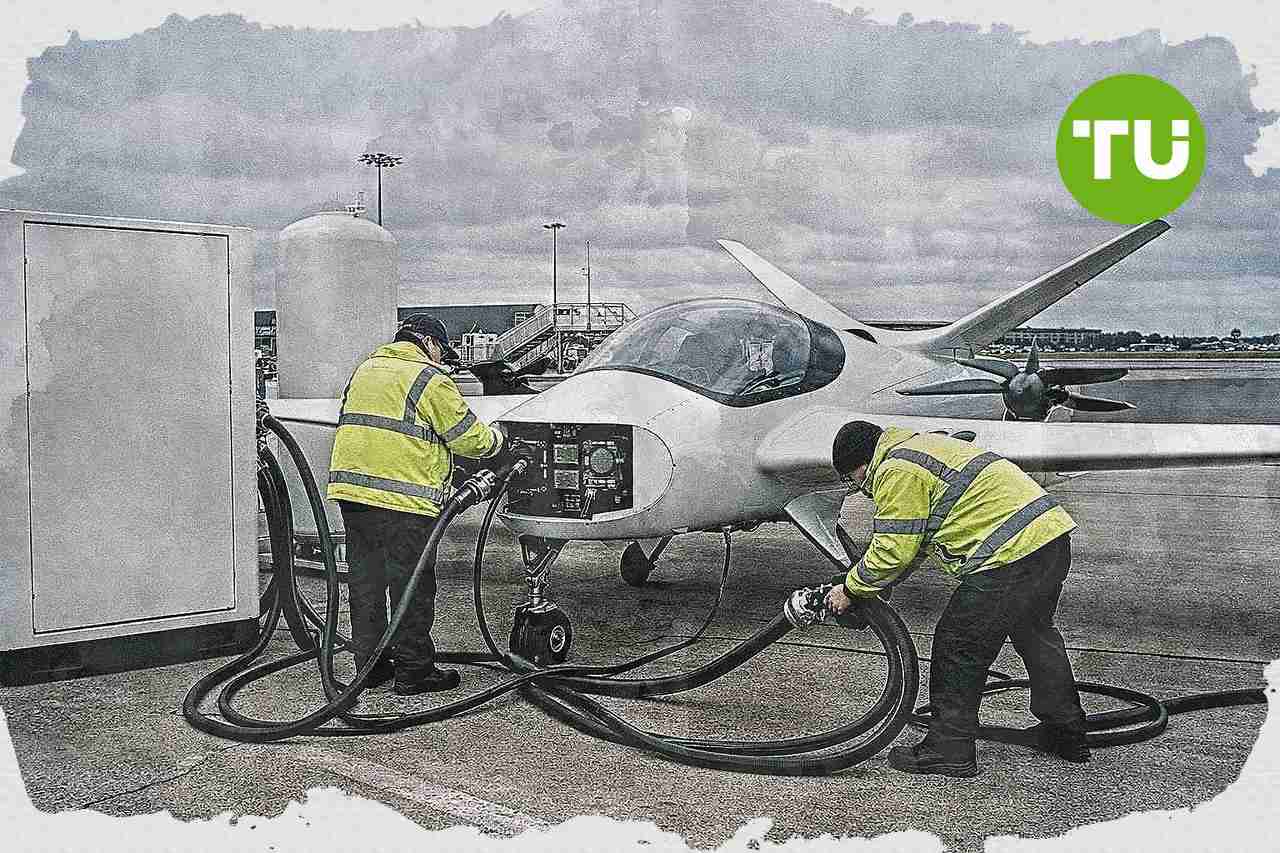
The UK is stepping up investment in cleaner aviation as it works toward net-zero emissions by 2050 and seeks to modernise airport and aircraft technology. A new £7.3 million allocation supports eight projects focused on hydrogen and electric flight, including infrastructure needed to operate greener services from UK airports.
Highlights
- The UK government allocates £7.3 million to eight projects focused on hydrogen and electric zero-emission aviation, including aircraft and supporting airport infrastructure.
- Beta Technologies and Vertical Aerospace secure funding to demonstrate electric and hydrogen-powered aircraft technologies in commercial airport settings as part of the initiative.
- This funding is part of a broader £43 million package supporting next-generation aviation, aiming to cut sector emissions, maintain skilled UK jobs, and boost sustainable economic growth.
Funding plan for hydrogen and electric aviation
As announced by GOV.UK, citing the UK government, the £7.3 million package funds eight projects intended to accelerate the shift to zero-emission flying across the UK aviation sector. The programme supports research into hydrogen-powered and electric aircraft, as well as airport systems such as electric charging facilities and hydrogen storage needed to bring these technologies into commercial use.The projects include studies involving electric aircraft that could operate as flying taxis and research tied to hydrogen-powered planes. Companies including Beta Technologies and Vertical Aerospace are set to receive funding to demonstrate their technologies in commercial airport settings.
The investment forms part of a wider £43 million package for next-generation aviation technology. The government links the spending to both industrial policy and decarbonisation goals, with aerospace contributing £20 billion to the UK economy.
Industry and regional impact across the UK
The funding is aimed at helping the aviation industry cut emissions while supporting skilled jobs across the UK. By backing early-stage infrastructure and aircraft development, the programme is intended to build the base required for greener air travel at scale.Heidi Alexander, Secretary of State for Transport, says the move reflects the UK's commitment to innovation and to supporting the sector's transition to lower-emission operations. Recent discussions at the Farnborough International Airshow also highlight the need for collaboration across the industry to reduce carbon emissions and adopt newer technologies.
Separate research cited in the announcement points to potential benefits from flying taxis in improving connectivity and supporting economic growth in a more sustainable way. The government is also pursuing broader carbon-reduction strategies through further funding and investment plans.
Our earlier coverage of the UK’s Tempest fighter and the Global Combat Air Programme (GCAP) looked at Britain’s multibillion-pound commitment to a next-generation combat aircraft and the industrial benefits it is meant to deliver. We noted that while the programme supports advanced manufacturing and defence autonomy, it also faces familiar risks of delays, cost overruns, and added governance complexity as more partners consider joining.


Latest Company News News







-
 Afghanistan
-
 Albania
-
 Algeria
-
 Angola
-
 Argentina
-
 Armenia
-
 Australia
-
 Austria
-
 Azerbaijan
-
 Bahamas
-
 Bahrain
-
 Bangladesh
-
 Belarus
-
 Belgium
-
 Bolivia
-
 Botswana
-
 Brazil
-
 Brunei
-
 Bulgaria
-
 Cambodia
-
 Cameroon
-
 Canada
-
 Chile
Chile
-
 China
China
-
 Colombia
-
 Congo
Congo
-
 Costa Rica
-
 Cote d'Ivoire
-
 Croatia
-
 Cuba
Cuba
-
 Cyprus
-
 Czechia
-
 DR Congo
-
 Denmark
-
 Dominican Republic
-
 Ecuador
-
 Egypt
Egypt
-
 El Salvador
-
 Estonia
-
 Eswatini
-
 Ethiopia
-
 Finland
-
 France
-
 Georgia
-
 Germany
-
 Ghana
Ghana
-
 Greece
-
 Haiti
Haiti
-
 Hong Kong
-
 Hungary
-
 India
India
-
 Indonesia
-
 Iran, Islamic republic
-
 Iraq
Iraq
-
 Ireland
-
 Israel
-
 Italy
Italy
-
 Jamaica
-
 Japan
Japan
-
 Jordan
-
 Kazakhstan
-
 Kenya
Kenya
-
 Korea
Korea
-
 Kuwait
-
 Kyrgyzstan
-
 Laos
Laos
-
 Latvia
-
 Lebanon
-
 Lesotho
-
 Libya
Libya
-
 Lithuania
-
 Luxembourg
-
 Madagascar
-
 Malaysia
-
 Malta
Malta
-
 Mauritius
-
 Mexico
-
 Moldova
-
 Mongolia
-
 Montenegro
-
 Morocco
-
 Mozambique
-
 Myanmar
-
 Namibia
-
 Nepal
Nepal
-
 Netherlands
-
 New Zealand
-
 Nigeria
-
 North Macedonia
-
 Norway
-
 Oman
Oman
-
 Pakistan
-
 Palestine
-
 Panama
-
 Papua New Guinea
-
 Paraguay
-
 Peru
Peru
-
 Philippines
-
 Poland
-
 Portugal
-
 Puerto Rico
-
 Qatar
Qatar
-
 Reunion
-
 Romania
-
 Rwanda
-
 Saudi Arabia
-
 Serbia
-
 Singapore
-
 Slovakia
-
 Slovenia
-
 Somalia
-
 South Africa
-
 Spain
Spain
-
 Sri Lanka
-
 Sweden
-
 Switzerland
-
 Syria
Syria
-
 Taiwan
-
 Tajikistan
-
 Tanzania
-
 Thailand
-
 Trinidad and Tobago
-
 Tunisia
-
 Turkey
-
 UAE
UAE
-
 Uganda
-
 Ukraine
-
 United Kingdom
-
United States
-
 Uruguay
-
 Uzbekistan
-
 Venezuela
-
 Vietnam
-
 Yemen
Yemen
-
 Zambia
-
 Zimbabwe
- Forex
- Crypto












