
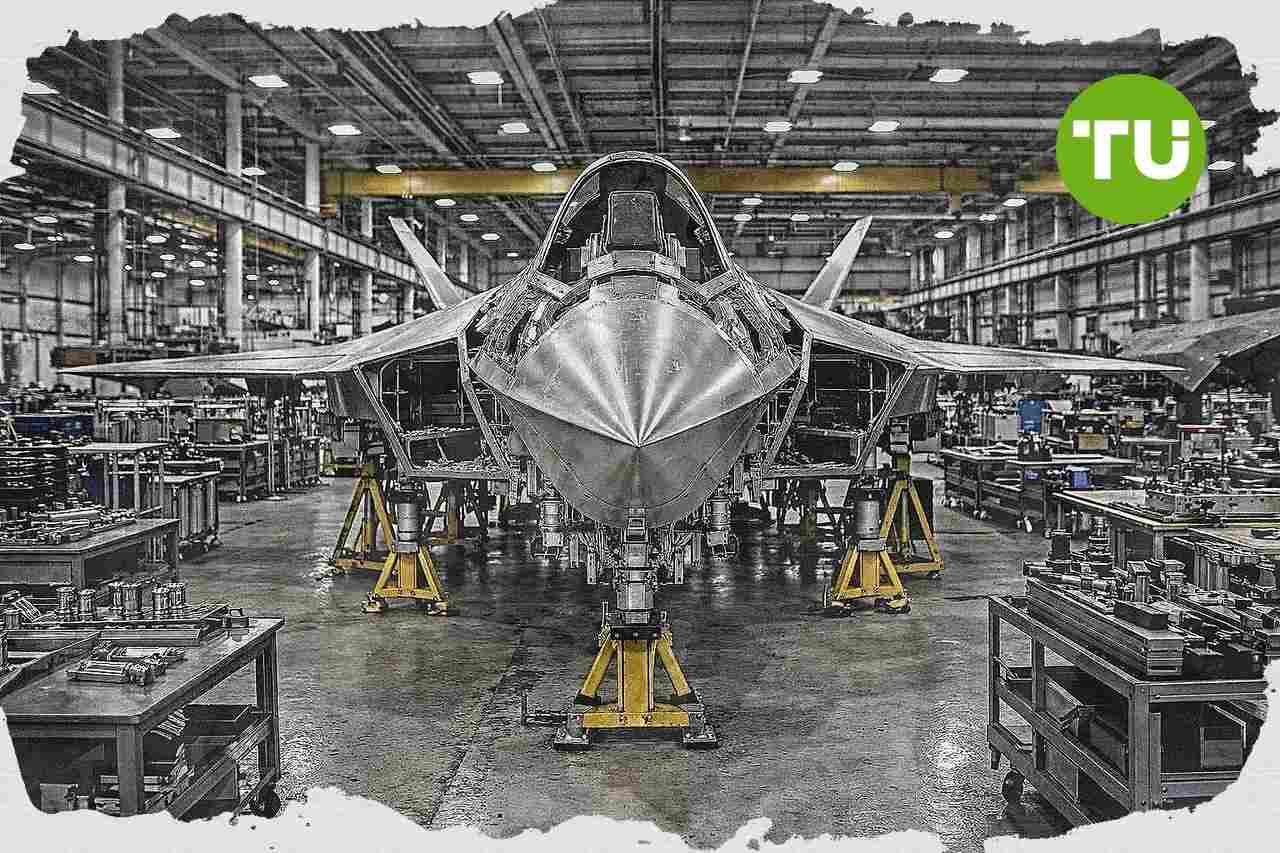
Britain’s planned investment in the Tempest fighter anchors one of the largest items in its defence spending pipeline as the UK, Italy and Japan push to field a new stealth aircraft by 2035. The programme promises industrial benefits and greater defence autonomy, but its timetable and budget remain exposed to the long record of delays and overruns in multinational combat aircraft projects.
Highlights
- Britain has committed £8.6bn to the Global Combat Air Programme (GCAP) through 2030, with mounting cost and schedule risks already emerging.
- The 2035 service entry target for the Tempest fighter faces pressure, as the pace required exceeds previous multinational aircraft programme benchmarks.
- GCAP could bolster UK and partner defence sovereignty and manufacturing but risks complexity and cost overruns as additional partners like Canada and possibly Germany show interest.
Programme structure and budget pressure
As reported by Financial Times, the Global Combat Air Programme is being developed by the UK, Italy and Japan, with Britain committing £8.6bn through 2030 as part of its defence investment plan. The aircraft, known as Tempest in the UK, is set to be built by BAE Systems, Leonardo and a group backed by Mitsubishi Heavy Industries, placing major cost-control responsibility on Chancellor John Healey and Defence Secretary Wes Streeting.That burden is significant because joint defence programmes often face delays and rising costs rather than smooth execution. Healey is seen as a supporter of the project after previously backing stronger UK defence spending, but the scale of the investment means any escalation in costs could quickly become a broader budget problem.
The project is operating under a 2023 international treaty designed to reduce disputes, with a joint government agency overseeing contractor Edgewing. Edgewing chief executive Marco Zoff says the programme is moving quickly, but the 2035 target for entry into service is already under pressure because it requires a faster pace than previous multinational fighter efforts have achieved.
Industrial gains weighed against multinational risks
The strategic prize for the partners is substantial. A successful sixth-generation fighter would support defence sovereignty at a time when reliance on U.S.-linked weapons alliances is under greater scrutiny, while also sustaining highly skilled manufacturing jobs, many of them outside London and south-east England.Yet the sector’s recent history underscores the risks. The Franco-German Future Combat Air System has already suffered a major setback after Germany pulled out of the jet-building part of that programme, and the earlier Eurofighter project entered service only after delays and cost increases. Those experiences helped leave Europe without a home-grown fifth-generation stealth jet and pushed the UK into the U.S.-led F-35 partnership.
GCAP also faces the familiar partnership dilemma that more members can lower unit costs but add complexity. Canada has joined with observer status, potentially opening a path to fuller participation, and Leonardo has indicated Germany could also join, though that could disrupt the programme in the near term. Even with BAE and other UK contractors advancing a demonstrator aircraft, the central challenge remains whether the partners can preserve the project’s strategic and industrial value without letting its cost become prohibitive.
Lockheed Martin and RTX lifting their 2026 outlooks was a key signal of how surging weapons demand is translating into stronger revenues and expanding backlogs for major defence contractors. In our earlier coverage, we noted that replenishment of depleted inventories and higher procurement activity were supporting the sector’s momentum, with missiles and air-defence systems driving much of the growth.


Latest Company News News







-
 Afghanistan
-
 Albania
-
 Algeria
-
 Angola
-
 Argentina
-
 Armenia
-
 Australia
-
 Austria
-
 Azerbaijan
-
 Bahamas
-
 Bahrain
-
 Bangladesh
-
 Belarus
-
 Belgium
-
 Bolivia
-
 Botswana
-
 Brazil
-
 Brunei
-
 Bulgaria
-
 Cambodia
-
 Cameroon
-
 Canada
-
 Chile
Chile
-
 China
China
-
 Colombia
-
 Congo
Congo
-
 Costa Rica
-
 Cote d'Ivoire
-
 Croatia
-
 Cuba
Cuba
-
 Cyprus
-
 Czechia
-
 DR Congo
-
 Denmark
-
 Dominican Republic
-
 Ecuador
-
 Egypt
Egypt
-
 El Salvador
-
 Estonia
-
 Eswatini
-
 Ethiopia
-
 Finland
-
 France
-
 Georgia
-
 Germany
-
 Ghana
Ghana
-
 Greece
-
 Haiti
Haiti
-
 Hong Kong
-
 Hungary
-
 India
India
-
 Indonesia
-
 Iran, Islamic republic
-
 Iraq
Iraq
-
 Ireland
-
 Israel
-
 Italy
Italy
-
 Jamaica
-
 Japan
Japan
-
 Jordan
-
 Kazakhstan
-
 Kenya
Kenya
-
 Korea
Korea
-
 Kuwait
-
 Kyrgyzstan
-
 Laos
Laos
-
 Latvia
-
 Lebanon
-
 Lesotho
-
 Libya
Libya
-
 Lithuania
-
 Luxembourg
-
 Madagascar
-
 Malaysia
-
 Malta
Malta
-
 Mauritius
-
 Mexico
-
 Moldova
-
 Mongolia
-
 Montenegro
-
 Morocco
-
 Mozambique
-
 Myanmar
-
 Namibia
-
 Nepal
Nepal
-
 Netherlands
-
 New Zealand
-
 Nigeria
-
 North Macedonia
-
 Norway
-
 Oman
Oman
-
 Pakistan
-
 Palestine
-
 Panama
-
 Papua New Guinea
-
 Paraguay
-
 Peru
Peru
-
 Philippines
-
 Poland
-
 Portugal
-
 Puerto Rico
-
 Qatar
Qatar
-
 Reunion
-
 Romania
-
 Rwanda
-
 Saudi Arabia
-
 Serbia
-
 Singapore
-
 Slovakia
-
 Slovenia
-
 Somalia
-
 South Africa
-
 Spain
Spain
-
 Sri Lanka
-
 Sweden
-
 Switzerland
-
 Syria
Syria
-
 Taiwan
-
 Tajikistan
-
 Tanzania
-
 Thailand
-
 Trinidad and Tobago
-
 Tunisia
-
 Turkey
-
 UAE
UAE
-
 Uganda
-
 Ukraine
-
 United Kingdom
-
United States
-
 Uruguay
-
 Uzbekistan
-
 Venezuela
-
 Vietnam
-
 Yemen
Yemen
-
 Zambia
-
 Zimbabwe
- Forex
- Crypto












