

Canberra businesses seek stronger relief as committee flags construction hit to night-time economy

Canberra's night-time economy review says businesses in Civic are struggling with lower turnover as major construction work disrupts access and trading conditions. The ACT Legislative Assembly committee finds existing support is insufficient and recommends stronger temporary relief as well as a dedicated Night-Time Economy Commissioner.
Highlights
- An ACT Legislative Assembly committee recommends stronger temporary relief, including means-tested rent support, for Civic businesses hit by light rail and car park construction.
- Restaurants like Charcoal in Civic report turnover drops of 50 percent since London Circuit closures in 2024, primarily due to parking shortages.
- The committee urges a review of ACT liquor licence fees, which exceed 22,000 Australian dollars annually for large venues versus under 7,900 Australian dollars in New South Wales.
Committee recommendations for Civic businesses
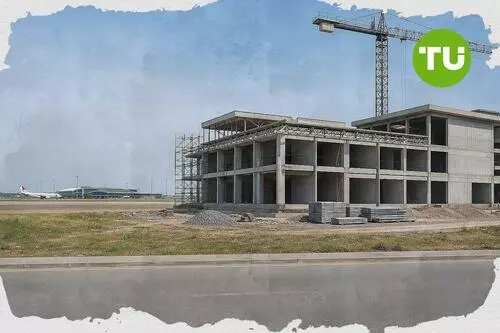
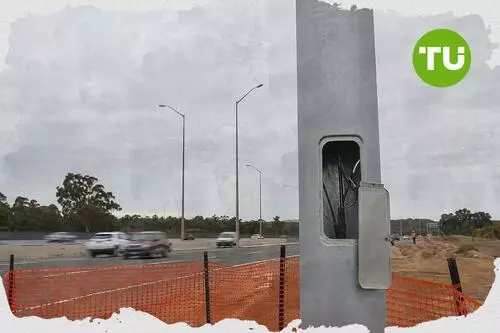
As reported by ABC News, an ACT Legislative Assembly committee examining Canberra's night life says businesses affected by light rail and car park construction have received insufficient relief and should be considered for stronger temporary support measures, including means-tested rent relief.The committee says restaurants and other operators risk being forced to close without further action on car park access and construction disruption in the city centre. It also recommends creating an ACT Night-Time Economy Commissioner to consult industry before major decisions, set progress metrics, streamline red tape, support culturally and linguistically diverse workers and take advice from a dedicated advisory group.
Anna Gray, owner of Charcoal Restaurant in the Melbourne building in Civic, says her turnover has fallen 50 percent since parts of London Circuit closed in 2024. She says customers do not want to come because there is no parking.
Hospitality pressures and wider policy impact
Chris Gatfield, general manager of the Australian Hotels Association's ACT branch, welcomes the committee's 28 recommendations but says he doubts all of them will be delivered. He says the hospitality industry is already facing a tough economic climate, with pressure extending beyond infrastructure works and reflecting changing preferences among younger consumers.Gatfield says affected businesses need cash flow support, but questions whether the government is in a position to provide that level of financial assistance. He says operators suffering during construction need to survive long enough to benefit when works finish and customers return to the city.
The committee also says businesses face a multi-agency maze of regulation to stay open. Evidence from Fiction Nightclub operator Josh Dotta says he regularly deals with 10 separate government agencies, while other stakeholders criticise siloed decision-making across government.
Separate evidence to the inquiry says ACT liquor licence fees are significantly higher than in other jurisdictions, prompting a recommendation for a review, especially for larger venues with capacity above 350 people. A venue with capacity for 500 people closing at 3am pays just over 22,000 Australian dollars a year in liquor licensing fees, compared with just under 7,900 Australian dollars in New South Wales, although the ACT government says the systems are not directly comparable because of different policy and regulatory frameworks.
Other recommendations include incentives for venues to host live music, entertainment and art events. The ACT government has yet to respond to the report.
Our earlier article on SME Corp Malaysia’s Sinar programme outlined how the initiative provides financing and targeted business support to micro, small and medium enterprises facing supply chain disruption and higher operating costs. We also noted the wider Budget 2027 package aimed at strengthening MSME resilience through funding for financing, automation, market access and human capital development.





Latest Australia News




-
 Afghanistan
-
 Albania
-
 Algeria
-
 Angola
-
 Argentina
-
 Armenia
-
 Australia
-
 Austria
-
 Azerbaijan
-
 Bahamas
-
 Bahrain
-
 Bangladesh
-
 Belarus
-
 Belgium
-
 Bolivia
-
 Botswana
-
 Brazil
-
 Brunei
-
 Bulgaria
-
 Cambodia
-
 Cameroon
-
 Canada
-
 Chile
Chile
-
 China
China
-
 Colombia
-
 Congo
Congo
-
 Costa Rica
-
 Cote d'Ivoire
-
 Croatia
-
 Cuba
Cuba
-
 Cyprus
-
 Czechia
-
 DR Congo
-
 Denmark
-
 Dominican Republic
-
 Ecuador
-
 Egypt
Egypt
-
 El Salvador
-
 Estonia
-
 Eswatini
-
 Ethiopia
-
 Finland
-
 France
-
 Georgia
-
 Germany
-
 Ghana
Ghana
-
 Greece
-
 Haiti
Haiti
-
 Hong Kong
-
 Hungary
-
 India
India
-
 Indonesia
-
 Iran, Islamic republic
-
 Iraq
Iraq
-
 Ireland
-
 Israel
-
 Italy
Italy
-
 Jamaica
-
 Japan
Japan
-
 Jordan
-
 Kazakhstan
-
 Kenya
Kenya
-
 Korea
Korea
-
 Kuwait
-
 Kyrgyzstan
-
 Laos
Laos
-
 Latvia
-
 Lebanon
-
 Lesotho
-
 Libya
Libya
-
 Lithuania
-
 Luxembourg
-
 Madagascar
-
 Malaysia
-
 Malta
Malta
-
 Mauritius
-
 Mexico
-
 Moldova
-
 Mongolia
-
 Montenegro
-
 Morocco
-
 Mozambique
-
 Myanmar
-
 Namibia
-
 Nepal
Nepal
-
 Netherlands
-
 New Zealand
-
 Nigeria
-
 North Macedonia
-
 Norway
-
 Oman
Oman
-
 Pakistan
-
 Palestine
-
 Panama
-
 Papua New Guinea
-
 Paraguay
-
 Peru
Peru
-
 Philippines
-
 Poland
-
 Portugal
-
 Puerto Rico
-
 Qatar
Qatar
-
 Reunion
-
 Romania
-
 Rwanda
-
 Saudi Arabia
-
 Serbia
-
 Singapore
-
 Slovakia
-
 Slovenia
-
 Somalia
-
 South Africa
-
 Spain
Spain
-
 Sri Lanka
-
 Sweden
-
 Switzerland
-
 Syria
Syria
-
 Taiwan
-
 Tajikistan
-
 Tanzania
-
 Thailand
-
 Trinidad and Tobago
-
 Tunisia
-
 Turkey
-
 UAE
UAE
-
 Uganda
-
 Ukraine
-
 United Kingdom
-
United States
-
 Uruguay
-
 Uzbekistan
-
 Venezuela
-
 Vietnam
-
 Yemen
Yemen
-
 Zambia
-
 Zimbabwe
- Forex
- Crypto












