

Longreach main street shifts toward services as retail footprint shrinks

Longreach's commercial centre is being reshaped as online shopping reduces demand for traditional shopfronts and more office-based tenants move into former retail spaces. The shift is reflecting a broader change across regional Australia, where service businesses and adaptive reuse projects are increasingly filling the gaps left by store closures.
Highlights
- Eagle Street in Longreach is shifting from traditional retail to government, legal, and other service-based uses as online shopping accelerates.
- Retailers in regional Australia face city-level fixed costs while serving smaller populations, intensifying pressure from online competitors on physical storefronts.
- Vacant retail sites in Longreach are increasingly being repurposed for services like the Royal Flying Doctor Service, with adaptive reuse seen as an opportunity for new ventures.
Main street transition gathers pace
As reported by ABC News, Eagle Street in Longreach is increasingly being used for government, legal and other service-based activity rather than conventional retail, as local businesses adjust to the growth of online sales.Sue Smith, who runs a gift and homewares store, says she plans to retire and close the business by the end of the year after two decades of trading in the outback town. She says she would have preferred to sell the shop, but a business broker told her a sale in a regional market could take about 12 months, a timeline she cannot accommodate.
Smith started the business after the millennium drought pushed her to find a new source of income while raising four children at boarding school. Over that period, she says Longreach has seen a series of business changes, including the closure of video stores, cinemas and large retailers, while online channels become a cheaper option for major sellers than maintaining a physical storefront in town.
Local real estate agent Matthew Strong says the function of the main street is changing, with services, office space and corporate tenants moving into premises that were once used mainly for retail. Retail expert Gavin Northey of Griffith University says the pattern in Longreach matches a wider shift across regional and rural Australia, where main streets are moving from selling goods toward providing services and experiences that online competitors cannot easily replicate.
Vacant sites create reuse opportunities
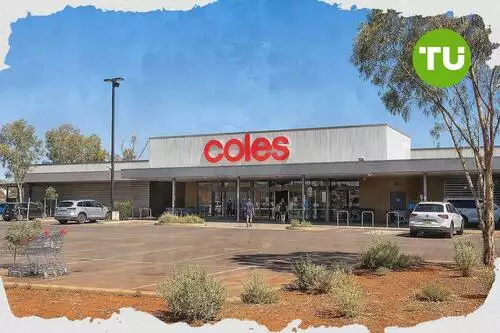
Retailers in regional areas now face the same fixed costs as city stores, including rent, staff, stock and freight, while serving a much smaller customer base, Northey says. He adds that regional Australians are among the country's most active online shoppers, raising the bar for physical retail operators.The conversion of former retail sites in Longreach is already under way. After an existing discount retailer moved into the old Target Country store, the retailer's previous location was turned into a new office for the Royal Flying Doctor Service, although the service's former office remains vacant.
Griffith researcher Brent Moyle says those empty properties should not automatically be seen as a sign of decline, arguing they offer an opening for regional communities to pursue adaptive reuse. He is helping nearby Blackall develop plans to transform an abandoned theatre into a tourism space and says similar ideas in Longreach could connect vacant commercial buildings with the region's visitor economy, support new entrepreneurs and create cultural and heritage experiences.
Smith says she remains confident her current shopfront will attract a new occupant if someone arrives with the right idea, adding that fresh uses for vacant sites may depend on thinking outside the box.
Previously, we highlighted how frontline manager pay is rising across retail and hospitality as store operations grow more complex.






Latest Australia News



-
 Afghanistan
-
 Albania
-
 Algeria
-
 Angola
-
 Argentina
-
 Armenia
-
 Australia
-
 Austria
-
 Azerbaijan
-
 Bahamas
-
 Bahrain
-
 Bangladesh
-
 Belarus
-
 Belgium
-
 Bolivia
-
 Botswana
-
 Brazil
-
 Brunei
-
 Bulgaria
-
 Cambodia
-
 Cameroon
-
 Canada
-
 Chile
-
 China
-
 Colombia
-
 Congo
-
 Costa Rica
-
 Cote d'Ivoire
-
 Croatia
-
 Cuba
-
 Cyprus
-
 Czechia
-
 DR Congo
-
 Denmark
-
 Dominican Republic
-
 Ecuador
-
 Egypt
-
 El Salvador
-
 Estonia
-
 Eswatini
-
 Ethiopia
-
 Finland
-
 France
-
 Georgia
-
 Germany
-
 Ghana
-
 Greece
-
 Haiti
-
 Hong Kong
-
 Hungary
-
 India
-
 Indonesia
-
 Iran, Islamic republic
-
 Iraq
-
 Ireland
-
 Israel
-
 Italy
-
 Jamaica
-
 Japan
-
 Jordan
-
 Kazakhstan
-
 Kenya
-
 Korea
-
 Kuwait
-
 Kyrgyzstan
-
 Laos
-
 Latvia
-
 Lebanon
-
 Lesotho
-
 Libya
-
 Lithuania
-
 Luxembourg
-
 Madagascar
-
 Malaysia
-
 Malta
-
 Mauritius
-
 Mexico
-
 Moldova
-
 Mongolia
-
 Montenegro
-
 Morocco
-
 Mozambique
-
 Myanmar
-
 Namibia
-
 Nepal
-
 Netherlands
-
 New Zealand
-
 Nigeria
-
 North Macedonia
-
 Norway
-
 Oman
-
 Pakistan
-
 Palestine
-
 Panama
-
 Papua New Guinea
-
 Paraguay
-
 Peru
-
 Philippines
-
 Poland
-
 Portugal
-
 Puerto Rico
-
 Qatar
-
 Reunion
-
 Romania
-
 Rwanda
-
 Saudi Arabia
-
 Serbia
-
 Singapore
-
 Slovakia
-
 Slovenia
-
 Somalia
-
 South Africa
-
 Spain
-
 Sri Lanka
-
 Sweden
-
 Switzerland
-
 Syria
-
 Taiwan
-
 Tajikistan
-
 Tanzania
-
 Thailand
-
 Trinidad and Tobago
-
 Tunisia
-
 Turkey
-
 UAE
-
 Uganda
-
 Ukraine
-
 United Kingdom
-
United States
-
 Uruguay
-
 Uzbekistan
-
 Venezuela
-
 Vietnam
-
 Yemen
-
 Zambia
-
 Zimbabwe
- Forex
- Crypto












