

Australia tax reform debate gains urgency as energy costs and public debt rise

Rising oil prices and mounting borrowing costs are sharpening pressure on Australia’s economy and government finances. The debate is reviving questions over whether broader tax reform, including a possible increase in the GST, could return to the political agenda.
Highlights
- Brent crude nears U.S.$110 a barrel as Middle East conflict, disrupted shipping, and costlier transport drive sustained energy price increases.
- Strategic oil reserves are not being replenished, raising concerns over prolonged elevated prices amid persistent conflict and increased demand for current use and restocking.
- Rising energy costs and costly public debt intensify calls for tax reform in Australia, though raising the GST remains politically sensitive with substantial electoral risks.
Energy prices intensify economic pressure
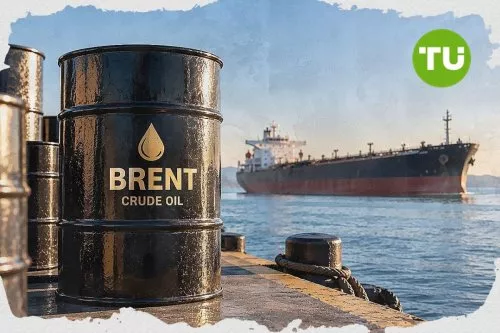
As reported by ABC News Business, Brent crude is moving closer to U.S.$110 a barrel as conflict-related disruption and higher transport risks lift the cost of moving oil out of the Middle East.The discussion highlights that the recent move in oil is not being driven by a single shock but by a series of smaller developments, including increased attacks on ships and more expensive workarounds for exporters moving crude through the region. Even where more oil is leaving the Middle East, those barrels are reaching buyers at a higher cost base because of ship-to-ship transfers and other measures designed to reduce exposure to conflict zones.
The prolonged nature of the conflict is also adding to market concern because strategic reserves tapped during the disruption are not being replenished. That raises the prospect of a longer period of elevated prices as more oil is needed both for current consumption and for rebuilding reserves.
GST reform remains politically difficult
Higher energy costs are also feeding into expectations for monetary policy, with the discussion suggesting the Reserve Bank could face added pressure if oil prices remain above current levels or move closer to U.S.$120 a barrel. The concern is that businesses may continue passing higher input costs on to consumers, adding to inflation pressure.Against that backdrop, the program turns to whether major tax reform is becoming harder to avoid as expensive public debt strains government budgets. Any move to raise the GST is presented as politically fraught, with the federal government unlikely to proceed unless it is confident the opposition would not turn the proposal into a tax fight.
The exchange underscores a broader constraint on reform in Australia, where governments may see budget logic in changing the tax mix but remain wary of the electoral risk attached to any measure that can be framed as a tax increase.
Our earlier report on conflict-driven oil shipping costs explained how attacks and heightened security risks on key routes have pushed tanker and insurance rates sharply higher, making freight a much larger share of the per-barrel oil price. We also noted that measures like rerouting and ship-to-ship transfers can tie up vessel capacity and keep transport costs elevated, feeding through to fuel prices and, ultimately, broader consumer inflation.






Latest Brent News



-
 Afghanistan
-
 Albania
-
 Algeria
-
 Angola
-
 Argentina
-
 Armenia
-
 Australia
-
 Austria
-
 Azerbaijan
-
 Bahamas
-
 Bahrain
-
 Bangladesh
-
 Belarus
-
 Belgium
-
 Bolivia
-
 Botswana
-
 Brazil
-
 Brunei
-
 Bulgaria
-
 Cambodia
-
 Cameroon
-
 Canada
-
 Chile
-
 China
-
 Colombia
-
 Congo
-
 Costa Rica
-
 Cote d'Ivoire
-
 Croatia
-
 Cuba
-
 Cyprus
-
 Czechia
-
 DR Congo
-
 Denmark
-
 Dominican Republic
-
 Ecuador
-
 Egypt
-
 El Salvador
-
 Estonia
-
 Eswatini
-
 Ethiopia
-
 Finland
-
 France
-
 Georgia
-
 Germany
-
 Ghana
-
 Greece
-
 Haiti
-
 Hong Kong
-
 Hungary
-
 India
-
 Indonesia
-
 Iran, Islamic republic
-
 Iraq
-
 Ireland
-
 Israel
-
 Italy
-
 Jamaica
-
 Japan
-
 Jordan
-
 Kazakhstan
-
 Kenya
-
 Korea
-
 Kuwait
-
 Kyrgyzstan
-
 Laos
-
 Latvia
-
 Lebanon
-
 Lesotho
-
 Libya
-
 Lithuania
-
 Luxembourg
-
 Madagascar
-
 Malaysia
-
 Malta
-
 Mauritius
-
 Mexico
-
 Moldova
-
 Mongolia
-
 Montenegro
-
 Morocco
-
 Mozambique
-
 Myanmar
-
 Namibia
-
 Nepal
-
 Netherlands
-
 New Zealand
-
 Nigeria
-
 North Macedonia
-
 Norway
-
 Oman
-
 Pakistan
-
 Palestine
-
 Panama
-
 Papua New Guinea
-
 Paraguay
-
 Peru
-
 Philippines
-
 Poland
-
 Portugal
-
 Puerto Rico
-
 Qatar
-
 Reunion
-
 Romania
-
 Rwanda
-
 Saudi Arabia
-
 Serbia
-
 Singapore
-
 Slovakia
-
 Slovenia
-
 Somalia
-
 South Africa
-
 Spain
-
 Sri Lanka
-
 Sweden
-
 Switzerland
-
 Syria
-
 Taiwan
-
 Tajikistan
-
 Tanzania
-
 Thailand
-
 Trinidad and Tobago
-
 Tunisia
-
 Turkey
-
 UAE
-
 Uganda
-
 Ukraine
-
 United Kingdom
-
United States
-
 Uruguay
-
 Uzbekistan
-
 Venezuela
-
 Vietnam
-
 Yemen
-
 Zambia
-
 Zimbabwe
- Forex
- Crypto












