

Oil market rises after Saudi refinery attack renews Middle East supply concerns

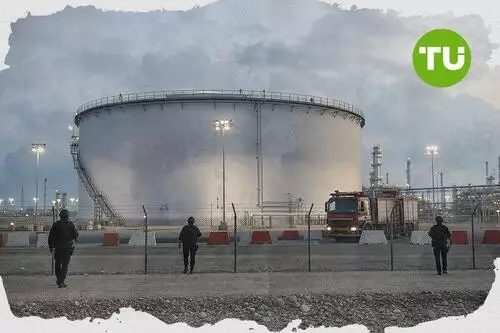
Fresh concerns over crude supply in the Middle East are pushing oil prices higher after a reported attack on a major Saudi refinery. The move reverses part of Tuesday's decline and comes as traders also weigh expected U.S. inventory gains and steady OPEC+ output targets for December.
Highlights
- Brent crude rises $1.48 (1.3%) to $115.36 and WTI gains $1.22 (1.22%) to $101.12 following reported Houthi missile strike on Saudi refinery.
- Reuters poll shows U.S. crude inventories rose by about 15,000 barrels in the week ended October 23, with traders awaiting further data.
- OPEC+ is expected to keep December output targets unchanged despite production by core members including Saudi Arabia and Russia remaining below quota.
Middle East tensions lift crude benchmarks
As reported by Reuters, Brent crude futures rise $1.48, or 1.3%, to $115.36 a barrel as of 0140 GMT, while U.S. West Texas Intermediate crude gains $1.22, or 1.22%, to $101.12.Yemen's Iran-aligned Houthis say they have hit Saudi Arabia's biggest oil refinery with a missile on Tuesday, escalating their attacks on the world's second-largest crude producer. Saudi authorities do not immediately confirm the reported strike on the 550,000 barrel-per-day facility.
Prices are swinging back after falling nearly $2 on Tuesday, when talks in the Middle East help ease supply worries for a time.
Output and inventory signals remain in focus
Traders are also assessing data expected to show a rise in U.S. crude inventories. Crude stockpiles increase by about 15,000 barrels in the week ended October 23, according to a Reuters poll of eight analysts.OPEC+ oil-producing countries are expected to keep their December output targets unchanged on Sunday, three people with knowledge of the matter tell Reuters, in line with market expectations. Production in most of the seven core OPEC+ members, Saudi Arabia, Russia, Iraq, Kuwait, Algeria, Kazakhstan and Oman, remains below their targets.
Separately, crude exports from Russia's Baltic and Black Sea ports could fall next month as domestic refiners raise diesel output following a deal with Washington this month, traders say.
Our earlier coverage of the WTO’s outlook on trade disruptions from the Middle East war highlighted how recurring conflicts and geopolitical frictions are pushing companies to redesign supply chains and shipping routes for resilience, even at higher cost. The WTO projected a sharp hit to the region’s trade in 2024, warning that some rerouting and diversification could persist beyond the immediate fighting as businesses try to reduce exposure to future shocks.






Latest Brent News




-
 Afghanistan
-
 Albania
-
 Algeria
-
 Angola
-
 Argentina
-
 Armenia
-
 Australia
-
 Austria
-
 Azerbaijan
-
 Bahamas
-
 Bahrain
-
 Bangladesh
-
 Belarus
-
 Belgium
-
 Bolivia
-
 Botswana
-
 Brazil
-
 Brunei
-
 Bulgaria
-
 Cambodia
-
 Cameroon
-
 Canada
-
 Chile
-
 China
-
 Colombia
-
 Congo
-
 Costa Rica
-
 Cote d'Ivoire
-
 Croatia
-
 Cuba
-
 Cyprus
-
 Czechia
-
 DR Congo
-
 Denmark
-
 Dominican Republic
-
 Ecuador
-
 Egypt
-
 El Salvador
-
 Estonia
-
 Eswatini
-
 Ethiopia
-
 Finland
-
 France
-
 Georgia
-
 Germany
-
 Ghana
-
 Greece
-
 Haiti
-
 Hong Kong
-
 Hungary
-
 India
-
 Indonesia
-
 Iran, Islamic republic
-
 Iraq
-
 Ireland
-
 Israel
-
 Italy
-
 Jamaica
-
 Japan
-
 Jordan
-
 Kazakhstan
-
 Kenya
-
 Korea
-
 Kuwait
-
 Kyrgyzstan
-
 Laos
-
 Latvia
-
 Lebanon
-
 Lesotho
-
 Libya
-
 Lithuania
-
 Luxembourg
-
 Madagascar
-
 Malaysia
-
 Malta
-
 Mauritius
-
 Mexico
-
 Moldova
-
 Mongolia
-
 Montenegro
-
 Morocco
-
 Mozambique
-
 Myanmar
-
 Namibia
-
 Nepal
-
 Netherlands
-
 New Zealand
-
 Nigeria
-
 North Macedonia
-
 Norway
-
 Oman
-
 Pakistan
-
 Palestine
-
 Panama
-
 Papua New Guinea
-
 Paraguay
-
 Peru
-
 Philippines
-
 Poland
-
 Portugal
-
 Puerto Rico
-
 Qatar
-
 Reunion
-
 Romania
-
 Rwanda
-
 Saudi Arabia
-
 Serbia
-
 Singapore
-
 Slovakia
-
 Slovenia
-
 Somalia
-
 South Africa
-
 Spain
-
 Sri Lanka
-
 Sweden
-
 Switzerland
-
 Syria
-
 Taiwan
-
 Tajikistan
-
 Tanzania
-
 Thailand
-
 Trinidad and Tobago
-
 Tunisia
-
 Turkey
-
 UAE
-
 Uganda
-
 Ukraine
-
 United Kingdom
-
United States
-
 Uruguay
-
 Uzbekistan
-
 Venezuela
-
 Vietnam
-
 Yemen
-
 Zambia
-
 Zimbabwe
- Forex
- Crypto












