

Hormuz shipping risks rise as tanker is hit with limpet mines

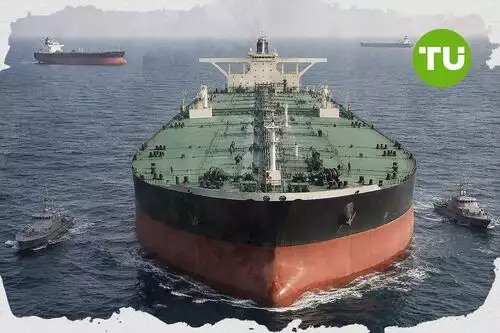
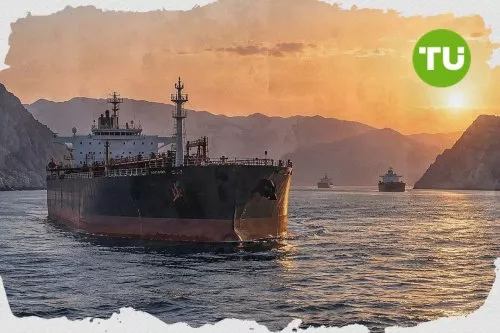
Maritime security risks in the Strait of Hormuz are intensifying as a Dubai-owned tanker is damaged in an attack involving explosive devices attached to its hull. The incident marks the first reported use of limpet mines against commercial shipping in the Middle East since 2019 and adds to pressure on oil transit through the Gulf.
Highlights
- Louise 1 tanker, owned by PRY Shipping, was attacked with limpet mines in the Strait of Hormuz on Thursday night, causing a fire but allowing the vessel to reach anchorage.
- This represents the first use of limpet mines against Middle Eastern shipping since 2019, signaling a tactical shift by Iran amid threats of U.S. and Israeli strikes.
- Oil exports via Hormuz dropped to 8.7 million barrels per day—51 percent below pre-conflict levels—and vessel traffic fell from 135 to current lows, reflecting heightened shipping risks.
Attack details and shift in tactics
As reported by Financial Times, the Louise 1 is approached by a small speedboat at about 10.15pm local time on Thursday while transiting the Strait of Hormuz, according to two maritime security companies and UK Maritime Trade Operations. People on the boat attach two explosive devices above the waterline, which detonate and cause a fire in the engine room, UKMTO says.The tanker, which is owned by Dubai-based PRY Shipping, continues to the anchorage off Khor Fakkan on the United Arab Emirates' south coast, according to ship-tracking data. Maritime security directors cited in the report say this is the first time limpet mines are used against shipping in the Middle East since June 2019, when vessels in the Gulf of Oman are attacked with similar devices.
The renewed use of limpet mines suggests a tactical change as Iran confronts the threat of fresh U.S. and Israeli military strikes. Iran has also used cruise missiles and drones against shipping in recent weeks, with security specialists saying some attacks target funnels to maximize damage near engine room systems.
Oil flows and regional shipping impact
Traffic through the strait continues, but at levels well below those seen before the latest war involving the U.S. and Israel. Exports via Hormuz stand at 8.7 million barrels a day over the seven days to October 29, according to Kpler data, about 51 per cent below the pre-conflict baseline.The number of vessels using Hormuz has also fallen sharply from 135 before the war, reflecting rising concern among shipowners and operators. Martin Kelly, chief executive of Orbital Risk Intelligence, says the return of limpet mines would raise concern for ships across the Gulf and adds that local anchorages could be particularly exposed.
Most ships are sailing through Omani territorial waters, where armed guards are not permitted on board. Instead, vessels typically carry response officers from security consultancies on the bridge to advise crews during transit, underscoring how operational risk management is becoming more central for Gulf shipping.
In our earlier article on the conflict-driven surge in oil shipping costs, we explained how attacks and elevated war-risk premiums are pushing tanker freight and insurance rates sharply higher on routes passing through chokepoints such as the Strait of Hormuz and the Red Sea. We also noted that rerouting and risk-mitigation measures are tightening vessel availability, lifting charter rates and feeding through into higher fuel and consumer prices—setting the stage for why any escalation in Gulf maritime security can have immediate market impact.






Latest Iran war News



-
 Afghanistan
-
 Albania
-
 Algeria
-
 Angola
-
 Argentina
-
 Armenia
-
 Australia
-
 Austria
-
 Azerbaijan
-
 Bahamas
-
 Bahrain
-
 Bangladesh
-
 Belarus
-
 Belgium
-
 Bolivia
-
 Botswana
-
 Brazil
-
 Brunei
-
 Bulgaria
-
 Cambodia
-
 Cameroon
-
 Canada
-
 Chile
-
 China
-
 Colombia
-
 Congo
-
 Costa Rica
-
 Cote d'Ivoire
-
 Croatia
-
 Cuba
-
 Cyprus
-
 Czechia
-
 DR Congo
-
 Denmark
-
 Dominican Republic
-
 Ecuador
-
 Egypt
-
 El Salvador
-
 Estonia
-
 Eswatini
-
 Ethiopia
-
 Finland
-
 France
-
 Georgia
-
 Germany
-
 Ghana
-
 Greece
-
 Haiti
-
 Hong Kong
-
 Hungary
-
 India
-
 Indonesia
-
 Iran, Islamic republic
-
 Iraq
-
 Ireland
-
 Israel
-
 Italy
-
 Jamaica
-
 Japan
-
 Jordan
-
 Kazakhstan
-
 Kenya
-
 Korea
-
 Kuwait
-
 Kyrgyzstan
-
 Laos
-
 Latvia
-
 Lebanon
-
 Lesotho
-
 Libya
-
 Lithuania
-
 Luxembourg
-
 Madagascar
-
 Malaysia
-
 Malta
-
 Mauritius
-
 Mexico
-
 Moldova
-
 Mongolia
-
 Montenegro
-
 Morocco
-
 Mozambique
-
 Myanmar
-
 Namibia
-
 Nepal
-
 Netherlands
-
 New Zealand
-
 Nigeria
-
 North Macedonia
-
 Norway
-
 Oman
-
 Pakistan
-
 Palestine
-
 Panama
-
 Papua New Guinea
-
 Paraguay
-
 Peru
-
 Philippines
-
 Poland
-
 Portugal
-
 Puerto Rico
-
 Qatar
-
 Reunion
-
 Romania
-
 Rwanda
-
 Saudi Arabia
-
 Serbia
-
 Singapore
-
 Slovakia
-
 Slovenia
-
 Somalia
-
 South Africa
-
 Spain
-
 Sri Lanka
-
 Sweden
-
 Switzerland
-
 Syria
-
 Taiwan
-
 Tajikistan
-
 Tanzania
-
 Thailand
-
 Trinidad and Tobago
-
 Tunisia
-
 Turkey
-
 UAE
-
 Uganda
-
 Ukraine
-
 United Kingdom
-
United States
-
 Uruguay
-
 Uzbekistan
-
 Venezuela
-
 Vietnam
-
 Yemen
-
 Zambia
-
 Zimbabwe
- Forex
- Crypto












