

SK Hynix explores first U.S. memory chip production with Intel

SK Hynix is discussing a potential manufacturing agreement with Intel that could bring the South Korean company’s memory chip production to the U.S. for the first time. The talks come as booming AI infrastructure investment strains memory supplies and Washington pushes Asian semiconductor manufacturers to expand domestic production.
Highlights
- SK Hynix is considering its first U.S. memory production.
- Intel’s Ohio complex is one potential location.
- A joint venture with cloud companies is also being discussed.
- No final agreement or production plan has been reached.
One option under discussion would have SK Hynix lease part of Intel’s delayed semiconductor complex in Ohio, while another could involve a venture bringing together the two chipmakers and major cloud companies, Reuters reported. Discussions remain exploratory, and neither the structure of a possible agreement nor the chips that could be manufactured there have been decided.
Ohio emerges as a potential production base
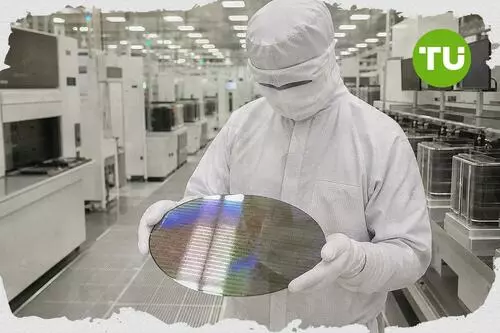
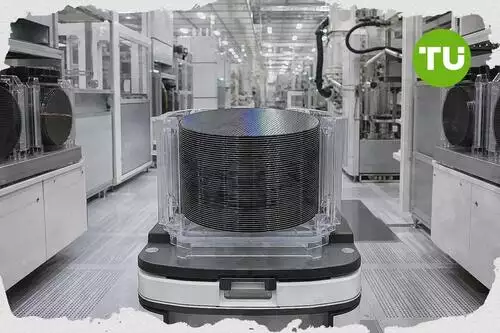
SK Hynix is the leading supplier of high-bandwidth memory, or HBM, used alongside AI processors. It also manufactures DRAM for servers, computers, and smartphones, as well as NAND flash memory for data storage.
A U.S. manufacturing agreement would represent a significant expansion of its American operations. SK Hynix already has a chip packaging facility under construction in Indiana, but it does not currently fabricate memory chips in the country.
Intel, meanwhile, could gain another user for its Ohio site. The company announced plans in 2022 to invest as much as $100 billion in what it envisioned as a major semiconductor manufacturing complex. Production was initially expected in 2025, but completion of the first two plants has since been pushed back to 2030 and 2031.
Washington pressure meets Seoul concerns
The economics remain challenging. Semiconductor manufacturing in the U.S. carries higher labor and construction costs than in South Korea, while much of the industry’s supplier network remains concentrated in Asia.
Political pressure is pulling SK Hynix in both directions. Washington wants more semiconductor capacity built domestically and has threatened tariffs of up to 100% on South Korean and Taiwanese chipmakers unless they increase U.S. production.
Seoul, however, considers advanced semiconductor technology strategically sensitive. Production involving technologies classified as national core technology would require review under South Korea’s Industrial Technology Protection Act. The government has also encouraged SK Hynix and Samsung Electronics to accelerate investment in a new domestic semiconductor cluster.
AI demand raises the stakes
The negotiations highlight how the AI boom is reshaping semiconductor investment. Rapid construction of data centers has intensified demand for memory, particularly HBM, making manufacturing capacity increasingly important to governments, cloud operators, and chipmakers.
A deal could simultaneously expand SK Hynix’s geographic manufacturing footprint and provide Intel with additional activity at its delayed Ohio complex. Yet the final structure will have to balance U.S. industrial policy, South Korean technology protections, and the substantially higher cost of American semiconductor production.
As we previously reported, SK Hynix invests $38 billion to expand memory chip production.






Latest SK Hynix News


-
 Afghanistan
-
 Albania
-
 Algeria
-
 Angola
-
 Argentina
-
 Armenia
-
 Australia
-
 Austria
-
 Azerbaijan
-
 Bahamas
-
 Bahrain
-
 Bangladesh
-
 Belarus
-
 Belgium
-
 Bolivia
-
 Botswana
-
 Brazil
-
 Brunei
-
 Bulgaria
-
 Cambodia
-
 Cameroon
-
 Canada
-
 Chile
-
 China
-
 Colombia
-
 Congo
-
 Costa Rica
-
 Cote d'Ivoire
-
 Croatia
-
 Cuba
-
 Cyprus
-
 Czechia
-
 DR Congo
-
 Denmark
-
 Dominican Republic
-
 Ecuador
-
 Egypt
-
 El Salvador
-
 Estonia
-
 Eswatini
-
 Ethiopia
-
 Finland
-
 France
-
 Georgia
-
 Germany
-
 Ghana
-
 Greece
-
 Haiti
-
 Hong Kong
-
 Hungary
-
 India
-
 Indonesia
-
 Iran, Islamic republic
-
 Iraq
-
 Ireland
-
 Israel
-
 Italy
-
 Jamaica
-
 Japan
-
 Jordan
-
 Kazakhstan
-
 Kenya
-
 Korea
-
 Kuwait
-
 Kyrgyzstan
-
 Laos
-
 Latvia
-
 Lebanon
-
 Lesotho
-
 Libya
-
 Lithuania
-
 Luxembourg
-
 Madagascar
-
 Malaysia
-
 Malta
-
 Mauritius
-
 Mexico
-
 Moldova
-
 Mongolia
-
 Montenegro
-
 Morocco
-
 Mozambique
-
 Myanmar
-
 Namibia
-
 Nepal
-
 Netherlands
-
 New Zealand
-
 Nigeria
-
 North Macedonia
-
 Norway
-
 Oman
-
 Pakistan
-
 Palestine
-
 Panama
-
 Papua New Guinea
-
 Paraguay
-
 Peru
-
 Philippines
-
 Poland
-
 Portugal
-
 Puerto Rico
-
 Qatar
-
 Reunion
-
 Romania
-
 Rwanda
-
 Saudi Arabia
-
 Serbia
-
 Singapore
-
 Slovakia
-
 Slovenia
-
 Somalia
-
 South Africa
-
 Spain
-
 Sri Lanka
-
 Sweden
-
 Switzerland
-
 Syria
-
 Taiwan
-
 Tajikistan
-
 Tanzania
-
 Thailand
-
 Trinidad and Tobago
-
 Tunisia
-
 Turkey
-
 UAE
-
 Uganda
-
 Ukraine
-
 United Kingdom
-
United States
-
 Uruguay
-
 Uzbekistan
-
 Venezuela
-
 Vietnam
-
 Yemen
-
 Zambia
-
 Zimbabwe
- Forex
- Crypto












