

Nvidia presses Europe to speed AI development and ease regulatory caution

As Europe weighs how to balance artificial intelligence safeguards with industrial competitiveness, Nvidia CEO Jensen Huang is urging governments to move faster or risk ceding ground to rivals. His message comes during a week-long tour of France, Sweden, the UK and Germany ahead of Nvidia's GTC event in Berlin.
Highlights
- Nvidia CEO Jensen Huang urges Europe to regulate AI applications, not core technology, warning overregulation could hinder the region’s technological leadership.
- Huang told German Chancellor Friedrich Merz that Germany should develop a domestic AI industry leveraging its manufacturing base to compete in robotics, cars, and heavy industry.
- With Europe advancing the EU AI Act and the US and China leading in AI model development and infrastructure, prolonged regulatory debate risks Europe falling behind in innovation.
Huang's push for faster AI policy
As first reported by Business Insider, Huang uses appearances across Europe to argue that the region should focus less on broad restrictions on AI technology and more on regulating how applications are used.Speaking in Berlin on Monday evening alongside German Chancellor Friedrich Merz, Huang says safety must remain a priority but warns that regulation alone will not produce technological leadership. He argues that Germany should build a domestic AI industry while ensuring development proceeds safely and responsibly.
Huang says policymakers should regulate AI applications in the same way products using the internet are regulated, rather than trying to control the underlying technology wholesale. Merz responds that Europe is still seeking the right balance between innovation and oversight, adding that neither no regulation nor overly tight rules is the right answer.
Earlier in the trip, Huang delivers a similar message in the UK, telling reporters that Britain tends to overthink decisions despite having strong talent, culture and energy. He says the country often focuses on reasons not to act even when it has many reasons to compete.
Industrial stakes for Germany and Europe
The Berlin exchange ties AI policy to Germany's broader economic challenges after recessions in 2023 and 2024. Huang presents artificial intelligence as a tool that can help the country's manufacturers and engineers convert existing industrial strengths into an advantage in the next phase of technology development.He says the next wave of AI is "physical," pointing to robotics, manufacturing, cars and heavy industry. In that framing, Europe has an opportunity to build on its industrial base rather than compete only in consumer-facing software.
The comments also highlight a wider divide in global AI strategy. Europe moves early with sweeping rules including the EU AI Act, while the U.S. and China pull ahead in frontier models and the infrastructure needed to train them.
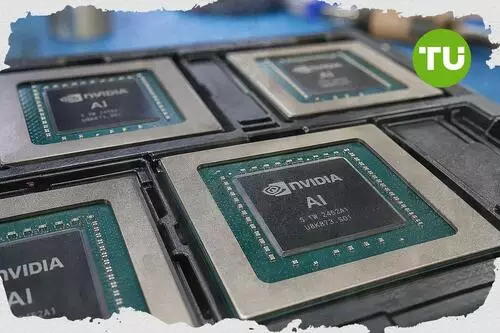
Huang is not a neutral observer, because Nvidia dominates the market for advanced chips used in the AI boom and stands to gain if governments and companies accelerate investment. Even so, his warning is clear, prolonged debate over regulation could leave the most meaningful innovation to other regions.
Our earlier article on rising U.S. AI data center costs and delays explained that the infrastructure boom is starting to hit practical limits. We noted that high financing costs, construction setbacks, and power constraints are forcing some projects to be delayed or scaled back, raising doubts about how quickly computing capacity can expand to meet AI demand.






Latest NVIDIA News



-
 Afghanistan
-
 Albania
-
 Algeria
-
 Angola
-
 Argentina
-
 Armenia
-
 Australia
-
 Austria
-
 Azerbaijan
-
 Bahamas
-
 Bahrain
-
 Bangladesh
-
 Belarus
-
 Belgium
-
 Bolivia
-
 Botswana
-
 Brazil
-
 Brunei
-
 Bulgaria
-
 Cambodia
-
 Cameroon
-
 Canada
-
 Chile
-
 China
-
 Colombia
-
 Congo
-
 Costa Rica
-
 Cote d'Ivoire
-
 Croatia
-
 Cuba
-
 Cyprus
-
 Czechia
-
 DR Congo
-
 Denmark
-
 Dominican Republic
-
 Ecuador
-
 Egypt
-
 El Salvador
-
 Estonia
-
 Eswatini
-
 Ethiopia
-
 Finland
-
 France
-
 Georgia
-
 Germany
-
 Ghana
-
 Greece
-
 Haiti
-
 Hong Kong
-
 Hungary
-
 India
-
 Indonesia
-
 Iran, Islamic republic
-
 Iraq
-
 Ireland
-
 Israel
-
 Italy
-
 Jamaica
-
 Japan
-
 Jordan
-
 Kazakhstan
-
 Kenya
-
 Korea
-
 Kuwait
-
 Kyrgyzstan
-
 Laos
-
 Latvia
-
 Lebanon
-
 Lesotho
-
 Libya
-
 Lithuania
-
 Luxembourg
-
 Madagascar
-
 Malaysia
-
 Malta
-
 Mauritius
-
 Mexico
-
 Moldova
-
 Mongolia
-
 Montenegro
-
 Morocco
-
 Mozambique
-
 Myanmar
-
 Namibia
-
 Nepal
-
 Netherlands
-
 New Zealand
-
 Nigeria
-
 North Macedonia
-
 Norway
-
 Oman
-
 Pakistan
-
 Palestine
-
 Panama
-
 Papua New Guinea
-
 Paraguay
-
 Peru
-
 Philippines
-
 Poland
-
 Portugal
-
 Puerto Rico
-
 Qatar
-
 Reunion
-
 Romania
-
 Rwanda
-
 Saudi Arabia
-
 Serbia
-
 Singapore
-
 Slovakia
-
 Slovenia
-
 Somalia
-
 South Africa
-
 Spain
-
 Sri Lanka
-
 Sweden
-
 Switzerland
-
 Syria
-
 Taiwan
-
 Tajikistan
-
 Tanzania
-
 Thailand
-
 Trinidad and Tobago
-
 Tunisia
-
 Turkey
-
 UAE
-
 Uganda
-
 Ukraine
-
 United Kingdom
-
United States
-
 Uruguay
-
 Uzbekistan
-
 Venezuela
-
 Vietnam
-
 Yemen
-
 Zambia
-
 Zimbabwe
- Forex
- Crypto












