

Nebius flags rising AI compute pricing as neocloud debt concerns weigh on sector

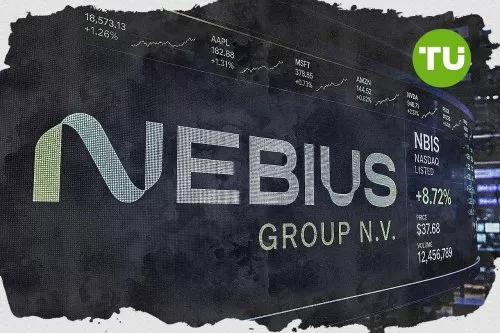
Investor scrutiny of debt levels and borrowing costs is intensifying across AI infrastructure companies as neocloud groups spend heavily on GPUs and data center capacity. Against that backdrop, Nebius says pricing for AI computing continues to rise faster than expected, supporting its view of sustained demand into 2027 and potentially 2028.
Highlights
- AI computing prices for Nebius are rising faster than expected, with recent capacity auctions confirming higher price per megawatt amid strong demand.
- Shares in Nebius and peers have fallen sharply over the last month as investor concern mounts over debt-fueled neocloud expansion following CoreWeave's surge in borrowing costs.
- SpaceX's AI revenue jumped ninefold to $7.56 billion, pushing Nebius shares higher as pricing now slightly exceeds the $30–$50 per watt range.
Pricing signals support demand outlook
As reported by CNBC, Nebius chief revenue officer Marc Boroditsky says the company is seeing AI computing prices rise more than expected, even as investors question the economics of debt-funded neocloud expansion. He says Nebius is not in the same position as CoreWeave because it is not carrying that level of debt, and adds that if the company brings its 2027 capacity online, it would sell out.Boroditsky says a similar supply-demand dynamic could extend into 2028 as companies continue racing to secure computing power. Asked whether the price per megawatt could keep rising ahead of expectations, he answers yes, pointing to a recent Nebius capacity auction that, he says, shows continued price gains.
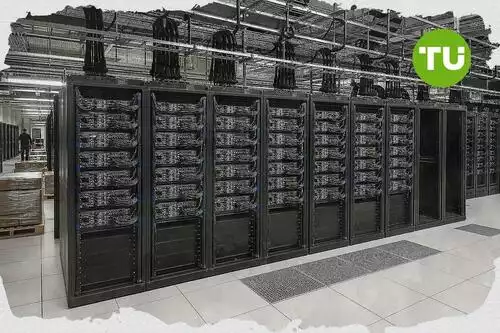
Price per megawatt is a key measure for new cloud providers because it reflects how much they can charge customers for a given amount of computing capacity. Nebius is part of a newer group of neocloud companies investing billions in Nvidia graphics processing units, building data centers and renting out that infrastructure.
Debt concerns shape sector reaction
Concerns over neocloud balance sheets have grown after CoreWeave, one of the largest players in the sector, saw its borrowing costs jump. Those developments, along with wider questions over how much debt is being used to finance data center expansion, have weighed on companies including Iren and Nebius, whose shares have fallen sharply over the last month.The debate also centers on how quickly Nvidia GPUs lose economic value as more powerful chips enter the market. For AI infrastructure companies, the ability to keep renting older chips at attractive prices is important to recovering multibillion-dollar investments and generating profits.
Chase Lochmiller, chief executive of Crusoe, says his company is also seeing higher pricing for GPUs, including older Nvidia chips. He says pricing for A100s is above 2020 and 2021 levels, while H100 pricing is above levels seen when those chips were first deployed in 2023, which he attributes to strong demand and improving model capabilities that increase the value customers extract from compute infrastructure.
Nebius shares rise on Wednesday after SpaceX reports that revenue at its AI business jumps ninefold to $7.56 billion. SpaceX chief financial officer Bret Johnsen says pricing is currently tracking slightly above the high end of the $30 to $50 per watt range, while CoreWeave, Iren and Applied Digital also move higher in premarket trading following those comments.
Our earlier article on rising costs in the U.S. AI data center boom explained that higher interest rates, construction delays, and power constraints are making it harder for developers to deliver planned capacity on time. We also noted that only a minority of announced projects look fully credible, leaving investors focused on whether companies can control budgets, secure funding, and turn massive infrastructure spend into sustainable returns.






Latest Nebius Group N.V. News



-
 Afghanistan
-
 Albania
-
 Algeria
-
 Angola
-
 Argentina
-
 Armenia
-
 Australia
-
 Austria
-
 Azerbaijan
-
 Bahamas
-
 Bahrain
-
 Bangladesh
-
 Belarus
-
 Belgium
-
 Bolivia
-
 Botswana
-
 Brazil
-
 Brunei
-
 Bulgaria
-
 Cambodia
-
 Cameroon
-
 Canada
-
 Chile
-
 China
-
 Colombia
-
 Congo
-
 Costa Rica
-
 Cote d'Ivoire
-
 Croatia
-
 Cuba
-
 Cyprus
-
 Czechia
-
 DR Congo
-
 Denmark
-
 Dominican Republic
-
 Ecuador
-
 Egypt
-
 El Salvador
-
 Estonia
-
 Eswatini
-
 Ethiopia
-
 Finland
-
 France
-
 Georgia
-
 Germany
-
 Ghana
-
 Greece
-
 Haiti
-
 Hong Kong
-
 Hungary
-
 India
-
 Indonesia
-
 Iran, Islamic republic
-
 Iraq
-
 Ireland
-
 Israel
-
 Italy
-
 Jamaica
-
 Japan
-
 Jordan
-
 Kazakhstan
-
 Kenya
-
 Korea
-
 Kuwait
-
 Kyrgyzstan
-
 Laos
-
 Latvia
-
 Lebanon
-
 Lesotho
-
 Libya
-
 Lithuania
-
 Luxembourg
-
 Madagascar
-
 Malaysia
-
 Malta
-
 Mauritius
-
 Mexico
-
 Moldova
-
 Mongolia
-
 Montenegro
-
 Morocco
-
 Mozambique
-
 Myanmar
-
 Namibia
-
 Nepal
-
 Netherlands
-
 New Zealand
-
 Nigeria
-
 North Macedonia
-
 Norway
-
 Oman
-
 Pakistan
-
 Palestine
-
 Panama
-
 Papua New Guinea
-
 Paraguay
-
 Peru
-
 Philippines
-
 Poland
-
 Portugal
-
 Puerto Rico
-
 Qatar
-
 Reunion
-
 Romania
-
 Rwanda
-
 Saudi Arabia
-
 Serbia
-
 Singapore
-
 Slovakia
-
 Slovenia
-
 Somalia
-
 South Africa
-
 Spain
-
 Sri Lanka
-
 Sweden
-
 Switzerland
-
 Syria
-
 Taiwan
-
 Tajikistan
-
 Tanzania
-
 Thailand
-
 Trinidad and Tobago
-
 Tunisia
-
 Turkey
-
 UAE
-
 Uganda
-
 Ukraine
-
 United Kingdom
-
United States
-
 Uruguay
-
 Uzbekistan
-
 Venezuela
-
 Vietnam
-
 Yemen
-
 Zambia
-
 Zimbabwe
- Forex
- Crypto












