

Tesla targets Cybercab sales by year-end amid U.S. safety probe

Tesla is pushing to begin public sales of its Cybercab robotaxis by the end of 2026 as it expands its autonomous-vehicle strategy beyond pilot operations. The plan moves forward while U.S. auto safety regulators examine whether the steering wheel-free vehicles comply with federal standards that generally require manual controls.
Highlights
- Tesla aims to deliver Cybercab autonomous vehicles to customers by year-end 2026, following limited paid rides in Austin, Texas.
- The National Highway Traffic Safety Administration opened an investigation immediately after launch to assess Cybercab's compliance with federal safety standards for vehicles without manual controls.
- Tesla must respond to NHTSA questions about its certification basis by October 30, while U.S. rules remain unchanged pending proposals that could eventually permit human control-free vehicles.
Cybercab launch plan and regulatory review
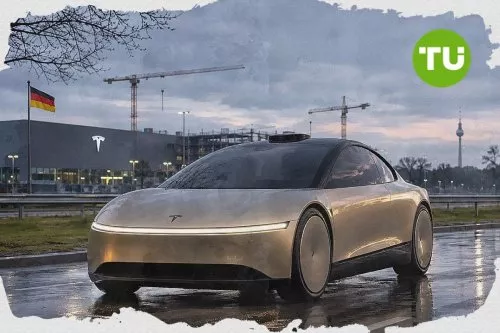
As reported by Reuters, Tesla vice president of vehicle engineering Lars Moravy says the company is trying to get Cybercabs to customers by the end of this year, 2026, following the automaker's third-quarter results. He tells analysts Tesla plans to start small and use the initial rollout to learn more about delivery, ownership and fleet management of autonomous vehicles in customers' hands.The gold, two-seat vehicles are central to Chief Executive Elon Musk's strategy to shift Tesla further toward AI and robotics. The Cybercabs feature butterfly doors and operate without a steering wheel, pedals or mirrors, making them one of Tesla's most ambitious autonomous vehicle products to date.
Tesla began offering paid rides on a small fleet of Cybercabs in Austin, Texas, early last month after years of delayed autonomous driving promises. The launch came amid heavy attention from fans and social media influencers as the company tested public response to the service.
Federal standards remain a key hurdle
Hours after the Austin rollout began, the National Highway Traffic Safety Administration opened an investigation into the Cybercab to assess how Tesla determined the vehicles comply with federal motor vehicle safety rules. The agency says those standards, written decades ago for human-driven vehicles, require manual controls and restrict commercial deployment of vehicles designed without them.Unlike many other countries, the U.S. allows automakers to place new vehicle models and technologies on public roads through self-certification that they meet federal standards. NHTSA says Tesla has until October 30 to respond to questions about the basis for its Cybercab certification and about which standards the company determined do not apply to the vehicle.
NHTSA has also proposed revisions to federal safety standards that would allow autonomous vehicles designed without human controls. Until those changes are finalized, the current rules remain in force, leaving Tesla's planned Cybercab sales subject to continued regulatory scrutiny.
In our earlier article on the Bank of England’s push for bare metal recovery planning, we explained how regulators are urging major banks to build independent fallback systems to keep critical services running if primary technology is compromised. We noted that advances in AI are increasing the scale and complexity of cyber attacks, making end-to-end resilience and recovery capabilities a growing supervisory priority.









-
 Afghanistan
-
 Albania
-
 Algeria
-
 Angola
-
 Argentina
-
 Armenia
-
 Australia
-
 Austria
-
 Azerbaijan
-
 Bahamas
-
 Bahrain
-
 Bangladesh
-
 Belarus
-
 Belgium
-
 Bolivia
-
 Botswana
-
 Brazil
-
 Brunei
-
 Bulgaria
-
 Cambodia
-
 Cameroon
-
 Canada
-
 Chile
-
 China
-
 Colombia
-
 Congo
-
 Costa Rica
-
 Cote d'Ivoire
-
 Croatia
-
 Cuba
-
 Cyprus
-
 Czechia
-
 DR Congo
-
 Denmark
-
 Dominican Republic
-
 Ecuador
-
 Egypt
-
 El Salvador
-
 Estonia
-
 Eswatini
-
 Ethiopia
-
 Finland
-
 France
-
 Georgia
-
 Germany
-
 Ghana
-
 Greece
-
 Haiti
-
 Hong Kong
-
 Hungary
-
 India
-
 Indonesia
-
 Iran, Islamic republic
-
 Iraq
-
 Ireland
-
 Israel
-
 Italy
-
 Jamaica
-
 Japan
-
 Jordan
-
 Kazakhstan
-
 Kenya
-
 Korea
-
 Kuwait
-
 Kyrgyzstan
-
 Laos
-
 Latvia
-
 Lebanon
-
 Lesotho
-
 Libya
-
 Lithuania
-
 Luxembourg
-
 Madagascar
-
 Malaysia
-
 Malta
-
 Mauritius
-
 Mexico
-
 Moldova
-
 Mongolia
-
 Montenegro
-
 Morocco
-
 Mozambique
-
 Myanmar
-
 Namibia
-
 Nepal
-
 Netherlands
-
 New Zealand
-
 Nigeria
-
 North Macedonia
-
 Norway
-
 Oman
-
 Pakistan
-
 Palestine
-
 Panama
-
 Papua New Guinea
-
 Paraguay
-
 Peru
-
 Philippines
-
 Poland
-
 Portugal
-
 Puerto Rico
-
 Qatar
-
 Reunion
-
 Romania
-
 Rwanda
-
 Saudi Arabia
-
 Serbia
-
 Singapore
-
 Slovakia
-
 Slovenia
-
 Somalia
-
 South Africa
-
 Spain
-
 Sri Lanka
-
 Sweden
-
 Switzerland
-
 Syria
-
 Taiwan
-
 Tajikistan
-
 Tanzania
-
 Thailand
-
 Trinidad and Tobago
-
 Tunisia
-
 Turkey
-
 UAE
-
 Uganda
-
 Ukraine
-
 United Kingdom
-
United States
-
 Uruguay
-
 Uzbekistan
-
 Venezuela
-
 Vietnam
-
 Yemen
-
 Zambia
-
 Zimbabwe
- Forex
- Crypto












