

Infineum explores sale as Shell and Exxon weigh $8bn UK chemicals exit

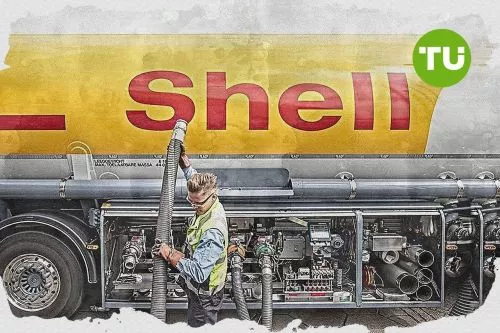
Shell is advancing another step in its broader retreat from non-core downstream operations as Infineum, its joint venture with ExxonMobil, explores a potential sale. The Oxfordshire-based additives maker could be valued at about $8bn, although the process is still at an early stage and may not lead to a deal.
Highlights
- Infineum, jointly owned by Shell and ExxonMobil, has launched a sale process via Bank of America seeking a roughly $8bn valuation amid $700mn–$800mn annual EBITDA.
- Shell's planned Infineum divestment aligns with its broader strategy to reduce chemicals exposure by 2030 and reallocate capital toward oil, gas, and upstream assets.
- Industry transition pressures, including electric vehicle growth reducing engine oil demand and base oil oversupply, are driving dealmaking and impacting valuations in the lubricants sector.
Sale process opens amid portfolio reshaping
As first reported by the Financial Times, Infineum has hired advisers at Bank of America to run a sale process that has launched in recent days, citing people familiar with the matter.The speciality chemicals company is owned equally by Shell and ExxonMobil and is seeking a valuation of roughly $8bn, the report said. The business generates about $700mn to $800mn in annual earnings before interest, taxes, depreciation and amortisation and may draw interest from private equity buyers, although discussions remain preliminary.
Founded in 1999, Infineum makes additives for the fuel and lubricant industry and sells its products in 90 countries. The company says its technologies are used in a third of vehicles worldwide and in 70 per cent of electric vehicles.
Shell and Bank of America declined to comment. ExxonMobil and Infineum did not immediately respond to requests for comment.
Pressure and transition in lubricants market
A potential transaction would follow BP's $10bn sale of its Castrol lubricants division to Stonepeak last year and highlights continued dealmaking across lubricant-related assets. The sector is facing pressure from the rise of electric vehicles, which reduces demand for engine oil, although growth in hybrid vehicles could soften that decline.At the same time, rising global production of base oils, a key ingredient in finished lubricants, is fuelling concerns about oversupply. That backdrop is shaping valuations and ownership decisions across the chemicals and lubricants market.
For Shell, the possible Infineum sale fits a wider strategy to narrow its chemicals exposure and concentrate capital on oil and gas. The company said in March last year that it did not see itself as the natural owner of its chemicals portfolio and wanted to reduce that exposure by 2030, while it has also pursued growth in upstream operations, including its agreement this year to buy Canadian shale producer ARC Resources for $16.4bn.
Infineum has also been adjusting to the industry transition. In 2024, it reorganised into two business units, including one focused on electrification and battery-related projects, and has expanded work on e-fluid technology used in electric cars.
In our earlier article on Equites Property Fund’s UK exit and Aviva portfolio sale, we explained how the REIT lifted its interim distribution after accelerating disposals and redirecting capital back to South Africa. We also noted that the proceeds and lower leverage were being positioned to fund domestic logistics growth while the company worked through the final stage of its UK sell-down.










-
 Afghanistan
-
 Albania
-
 Algeria
-
 Angola
-
 Argentina
-
 Armenia
-
 Australia
-
 Austria
-
 Azerbaijan
-
 Bahamas
-
 Bahrain
-
 Bangladesh
-
 Belarus
-
 Belgium
-
 Bolivia
-
 Botswana
-
 Brazil
-
 Brunei
-
 Bulgaria
-
 Cambodia
-
 Cameroon
-
 Canada
-
 Chile
-
 China
-
 Colombia
-
 Congo
-
 Costa Rica
-
 Cote d'Ivoire
-
 Croatia
-
 Cuba
-
 Cyprus
-
 Czechia
-
 DR Congo
-
 Denmark
-
 Dominican Republic
-
 Ecuador
-
 Egypt
-
 El Salvador
-
 Estonia
-
 Eswatini
-
 Ethiopia
-
 Finland
-
 France
-
 Georgia
-
 Germany
-
 Ghana
-
 Greece
-
 Haiti
-
 Hong Kong
-
 Hungary
-
 India
-
 Indonesia
-
 Iran, Islamic republic
-
 Iraq
-
 Ireland
-
 Israel
-
 Italy
-
 Jamaica
-
 Japan
-
 Jordan
-
 Kazakhstan
-
 Kenya
-
 Korea
-
 Kuwait
-
 Kyrgyzstan
-
 Laos
-
 Latvia
-
 Lebanon
-
 Lesotho
-
 Libya
-
 Lithuania
-
 Luxembourg
-
 Madagascar
-
 Malaysia
-
 Malta
-
 Mauritius
-
 Mexico
-
 Moldova
-
 Mongolia
-
 Montenegro
-
 Morocco
-
 Mozambique
-
 Myanmar
-
 Namibia
-
 Nepal
-
 Netherlands
-
 New Zealand
-
 Nigeria
-
 North Macedonia
-
 Norway
-
 Oman
-
 Pakistan
-
 Palestine
-
 Panama
-
 Papua New Guinea
-
 Paraguay
-
 Peru
-
 Philippines
-
 Poland
-
 Portugal
-
 Puerto Rico
-
 Qatar
-
 Reunion
-
 Romania
-
 Rwanda
-
 Saudi Arabia
-
 Serbia
-
 Singapore
-
 Slovakia
-
 Slovenia
-
 Somalia
-
 South Africa
-
 Spain
-
 Sri Lanka
-
 Sweden
-
 Switzerland
-
 Syria
-
 Taiwan
-
 Tajikistan
-
 Tanzania
-
 Thailand
-
 Trinidad and Tobago
-
 Tunisia
-
 Turkey
-
 UAE
-
 Uganda
-
 Ukraine
-
 United Kingdom
-
United States
-
 Uruguay
-
 Uzbekistan
-
 Venezuela
-
 Vietnam
-
 Yemen
-
 Zambia
-
 Zimbabwe
- Forex
- Crypto












