

Chery expects overseas-made vehicles to top half of exports this year

Chery is accelerating its shift toward local production outside China as it expands its international manufacturing footprint. The automaker says overseas-built vehicles already account for about 48% of its export volume this year, with that share expected to keep rising through 2030.
Highlights
- Chery expects over 50% of exported vehicles to be manufactured overseas by year-end, targeting 60% in 2025 and 70% by 2030.
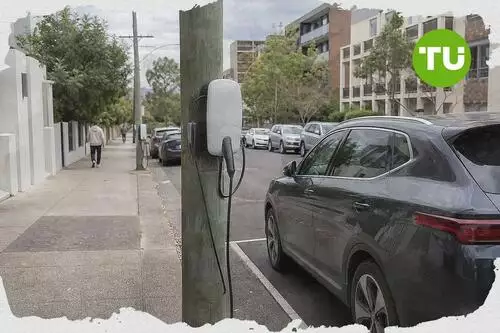
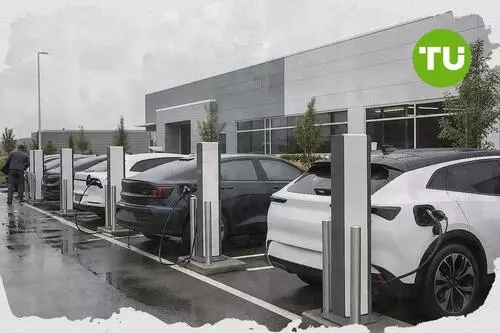
- Chery will build fast-charging and energy storage stations in the UK, Spain, and Thailand starting 2027 to support global expansion.
- Chery plans to launch robotaxis in the UAE from next year, signaling a push into mobility and energy infrastructure beyond core vehicle sales.
Localization targets and production plans
According to Reuters, at an event at Chery's headquarters in Wuhu on Friday, Executive Vice President Zhang Guibing said the company expects more than half of the vehicles it exports to be manufactured overseas by the end of this year, rising to 60% next year and 70% by 2030.Zhang said Chery is pushing local manufacturing not only to sell vehicles in overseas markets but also to create jobs and cooperate with local technologies. He said the company is gradually trying to localize production and rely mainly on local manufacturing.
Global expansion and industry impact
Chery, which sells the Omoda and Jaecoo brands, is among Chinese automakers reshaping the global auto industry with advanced technology and pricing that legacy carmakers have struggled to match.The company said it will begin building fast-charging and energy storage stations in countries including UK, Spain and Thailand from 2027. It also plans to launch robotaxis in UAE from next year, extending its overseas push beyond vehicle sales into related mobility and energy infrastructure.
In our earlier article, we covered BYD Malaysia’s plan to expand local assembly by naming Inokom Corporation as its CKD vehicle assembly partner in Kulim, Kedah. We noted that the move followed BYD’s decision not to proceed with an assembly plant in Tanjung Malim and was positioned as a step that could strengthen Malaysia’s automotive ecosystem, even as model and timeline details were still pending.






Latest Transportation News


-
 Afghanistan
-
 Albania
-
 Algeria
-
 Angola
-
 Argentina
-
 Armenia
-
 Australia
-
 Austria
-
 Azerbaijan
-
 Bahamas
-
 Bahrain
-
 Bangladesh
-
 Belarus
-
 Belgium
-
 Bolivia
-
 Botswana
-
 Brazil
-
 Brunei
-
 Bulgaria
-
 Cambodia
-
 Cameroon
-
 Canada
-
 Chile
-
 China
-
 Colombia
-
 Congo
-
 Costa Rica
-
 Cote d'Ivoire
-
 Croatia
-
 Cuba
-
 Cyprus
-
 Czechia
-
 DR Congo
-
 Denmark
-
 Dominican Republic
-
 Ecuador
-
 Egypt
-
 El Salvador
-
 Estonia
-
 Eswatini
-
 Ethiopia
-
 Finland
-
 France
-
 Georgia
-
 Germany
-
 Ghana
-
 Greece
-
 Haiti
-
 Hong Kong
-
 Hungary
-
 India
-
 Indonesia
-
 Iran, Islamic republic
-
 Iraq
-
 Ireland
-
 Israel
-
 Italy
-
 Jamaica
-
 Japan
-
 Jordan
-
 Kazakhstan
-
 Kenya
-
 Korea
-
 Kuwait
-
 Kyrgyzstan
-
 Laos
-
 Latvia
-
 Lebanon
-
 Lesotho
-
 Libya
-
 Lithuania
-
 Luxembourg
-
 Madagascar
-
 Malaysia
-
 Malta
-
 Mauritius
-
 Mexico
-
 Moldova
-
 Mongolia
-
 Montenegro
-
 Morocco
-
 Mozambique
-
 Myanmar
-
 Namibia
-
 Nepal
-
 Netherlands
-
 New Zealand
-
 Nigeria
-
 North Macedonia
-
 Norway
-
 Oman
-
 Pakistan
-
 Palestine
-
 Panama
-
 Papua New Guinea
-
 Paraguay
-
 Peru
-
 Philippines
-
 Poland
-
 Portugal
-
 Puerto Rico
-
 Qatar
-
 Reunion
-
 Romania
-
 Rwanda
-
 Saudi Arabia
-
 Serbia
-
 Singapore
-
 Slovakia
-
 Slovenia
-
 Somalia
-
 South Africa
-
 Spain
-
 Sri Lanka
-
 Sweden
-
 Switzerland
-
 Syria
-
 Taiwan
-
 Tajikistan
-
 Tanzania
-
 Thailand
-
 Trinidad and Tobago
-
 Tunisia
-
 Turkey
-
 UAE
-
 Uganda
-
 Ukraine
-
 United Kingdom
-
United States
-
 Uruguay
-
 Uzbekistan
-
 Venezuela
-
 Vietnam
-
 Yemen
-
 Zambia
-
 Zimbabwe
- Forex
- Crypto












