

OPEC set to hold oil quotas as Middle East risks constrain supply

OPEC+ is preparing to leave its oil quotas unchanged despite continued supply disruptions across the Persian Gulf. For the market, however, the bigger question is not what producers are allowed to pump, but how much crude they can actually bring to market.
Seven key OPEC+ members have tentatively agreed to maintain their current oil production targets for December. According to Reuters, the proposal is due to be considered at the November 1 meeting. The discussions involve Saudi Arabia, Russia, Iraq, Kuwait, Algeria, Kazakhstan and Oman.
Three sources told the agency that no major change in oil policy is expected before at least 2027. Gulf producers are gradually restoring exports after months of disruption caused by the U.S. war with Iran, but most members are still producing well below their formal quotas.
Middle East conflict limits the impact of production quotas
OPEC+ gradually raised permitted output levels during 2026. By September, the group had fully reversed the 1.65 million-barrel-per-day cut originally agreed in 2023. The war, however, prevented many producers from taking full advantage of those higher quotas.
The alliance had already decided in October to keep its production limits unchanged for November. A separate agreement removing roughly 2 million barrels per day from the market remains in place through the end of 2026.
That means unchanged quotas on paper do not necessarily translate into unchanged physical supply. Actual exports will continue to depend on production capacity, infrastructure and the ability to move crude safely out of the region.
Capacity review will determine the next stage of oil policy
OPEC+ now needs to complete its review of member countries’ production capacity. The findings will form the basis for 2027 quota calculations and help determine when the remaining restrictions can be unwound.
That process has become more complicated because prolonged export disruptions have made it harder to assess how much individual producers can realistically supply.
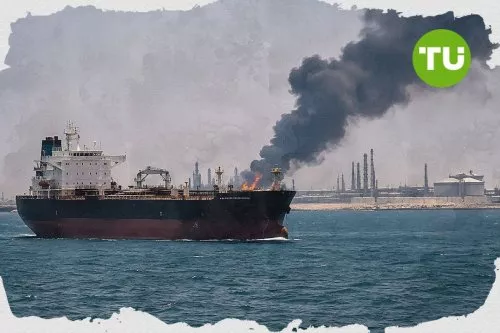
Shipping security is another major constraint. As Traders Union noted in its coverage of rising oil prices, an attack on a tanker in the Strait of Hormuz renewed concerns over crude flows from the region.
Even if OPEC+ keeps quotas unchanged as expected, the geopolitical premium in oil prices is therefore unlikely to disappear quickly. As long as shipping through the Strait of Hormuz remains at risk, the market is likely to stay highly sensitive to any sign of further escalation.






Latest Oil News



-
 Afghanistan
-
 Albania
-
 Algeria
-
 Angola
-
 Argentina
-
 Armenia
-
 Australia
-
 Austria
-
 Azerbaijan
-
 Bahamas
-
 Bahrain
-
 Bangladesh
-
 Belarus
-
 Belgium
-
 Bolivia
-
 Botswana
-
 Brazil
-
 Brunei
-
 Bulgaria
-
 Cambodia
-
 Cameroon
-
 Canada
-
 Chile
-
 China
-
 Colombia
-
 Congo
-
 Costa Rica
-
 Cote d'Ivoire
-
 Croatia
-
 Cuba
-
 Cyprus
-
 Czechia
-
 DR Congo
-
 Denmark
-
 Dominican Republic
-
 Ecuador
-
 Egypt
-
 El Salvador
-
 Estonia
-
 Eswatini
-
 Ethiopia
-
 Finland
-
 France
-
 Georgia
-
 Germany
-
 Ghana
-
 Greece
-
 Haiti
-
 Hong Kong
-
 Hungary
-
 India
-
 Indonesia
-
 Iran, Islamic republic
-
 Iraq
-
 Ireland
-
 Israel
-
 Italy
-
 Jamaica
-
 Japan
-
 Jordan
-
 Kazakhstan
-
 Kenya
-
 Korea
-
 Kuwait
-
 Kyrgyzstan
-
 Laos
-
 Latvia
-
 Lebanon
-
 Lesotho
-
 Libya
-
 Lithuania
-
 Luxembourg
-
 Madagascar
-
 Malaysia
-
 Malta
-
 Mauritius
-
 Mexico
-
 Moldova
-
 Mongolia
-
 Montenegro
-
 Morocco
-
 Mozambique
-
 Myanmar
-
 Namibia
-
 Nepal
-
 Netherlands
-
 New Zealand
-
 Nigeria
-
 North Macedonia
-
 Norway
-
 Oman
-
 Pakistan
-
 Palestine
-
 Panama
-
 Papua New Guinea
-
 Paraguay
-
 Peru
-
 Philippines
-
 Poland
-
 Portugal
-
 Puerto Rico
-
 Qatar
-
 Reunion
-
 Romania
-
 Rwanda
-
 Saudi Arabia
-
 Serbia
-
 Singapore
-
 Slovakia
-
 Slovenia
-
 Somalia
-
 South Africa
-
 Spain
-
 Sri Lanka
-
 Sweden
-
 Switzerland
-
 Syria
-
 Taiwan
-
 Tajikistan
-
 Tanzania
-
 Thailand
-
 Trinidad and Tobago
-
 Tunisia
-
 Turkey
-
 UAE
-
 Uganda
-
 Ukraine
-
 United Kingdom
-
United States
-
 Uruguay
-
 Uzbekistan
-
 Venezuela
-
 Vietnam
-
 Yemen
-
 Zambia
-
 Zimbabwe
- Forex
- Crypto












