

Saudi Arabia and Bahrain report Iran-linked attacks as Strait of Hormuz risks persist

Weekend strikes on Saudi Arabia and Bahrain add fresh pressure to Gulf security and shipping routes as the conflict involving Iran and the U.S. continues. Iran is also signaling that it remains willing to pursue a negotiated settlement, even after a previous June framework for peace collapsed.
Highlights
- Saudi Arabia intercepts a Houthi drone and a ballistic missile targeting areas with key oil infrastructure, raising energy market security concerns.
- Bahrain reports Iranian projectiles striking an industrial facility, attributing the attack to Iran, with injuries reported and heightened tensions for U.S. forces in the region.
- Despite ongoing attacks near the Strait of Hormuz, Brent crude declines 3.4% and U.S. crude falls 5.2% for the week, reflecting stable overall supply.
Weekend attacks and diplomatic signals
As reported by CNBC, Saudi Arabia says it intercepts and destroys a drone launched by the Iran-backed Houthis toward the Riyadh area, while the Saudi-led Coalition to Support Legitimacy in Yemen also says its air defenses intercept and destroy a ballistic missile aimed at the kingdom’s western region.That western area includes sensitive refining and export infrastructure, making the reported attacks significant for regional energy markets as well as security planning. Bahrain also says an industrial civilian facility is hit by Iranian projectiles, causing a fire, and later reports that two people, a Bahraini citizen and a Pakistani resident, are injured.
Bahrain, which hosts the U.S. Navy’s Fifth Fleet, links the strike to Iran. Iranian state media, meanwhile, reports that the Islamic Revolutionary Guard Corps fires missiles and drones at U.S. military facilities in Bahrain, and a separate Iranian media report says Iranian air defenses intercept and destroy a U.S. MQ-9 drone.
U.S. Central Command does not immediately respond to requests for comment on the Iranian claims. At the same time, Iranian Foreign Minister Abbas Araghchi says Tehran remains open to a negotiated end to the war with the U.S., even though the Islamabad Memorandum of Understanding signed in June is no longer being implemented.
Araghchi tells the Iran newspaper that the memorandum is no longer on the table, but says commitments accepted by the U.S. under that framework, and the principle that implementing those commitments can lead to a final agreement, are still accepted by both sides.
Energy flows and market implications
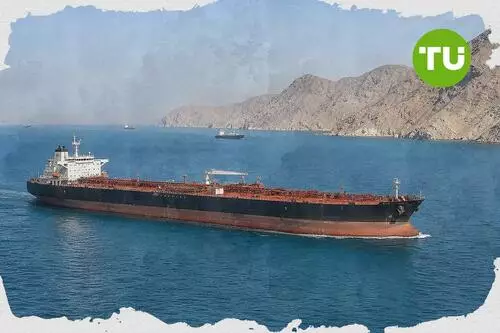
The conflict, which begins with U.S. and Israeli airstrikes on Iranian targets on Feb. 28, continues to disrupt energy shipments through the Strait of Hormuz between Iran and Oman. The waterway remains a critical chokepoint for global crude flows, and vessel restrictions imposed by Iran stay a major obstacle in talks with Washington.The United Kingdom Maritime Trade Operations says two tankers near Oman are struck by unidentified projectiles on Saturday, underscoring the risks facing commercial shipping in the area. Any sustained threat to cargo movements through Hormuz could raise costs for transport, insurance and energy buyers across the region.
Even so, oil prices fall for a third straight week as traders weigh resilient Middle East supply flows against rising U.S. inventories. Brent crude drops 3.4% for the week, while U.S. crude falls 5.2%, suggesting that the market is still pricing in continued exports despite the worsening security backdrop.
This adds to earlier discussion around Strait of Hormuz tanker incidents after unidentified projectiles struck vessels near Oman's Khasab, UKMTO said.






Latest Iran war News



-
 Afghanistan
-
 Albania
-
 Algeria
-
 Angola
-
 Argentina
-
 Armenia
-
 Australia
-
 Austria
-
 Azerbaijan
-
 Bahamas
-
 Bahrain
-
 Bangladesh
-
 Belarus
-
 Belgium
-
 Bolivia
-
 Botswana
-
 Brazil
-
 Brunei
-
 Bulgaria
-
 Cambodia
-
 Cameroon
-
 Canada
-
 Chile
-
 China
-
 Colombia
-
 Congo
-
 Costa Rica
-
 Cote d'Ivoire
-
 Croatia
-
 Cuba
-
 Cyprus
-
 Czechia
-
 DR Congo
-
 Denmark
-
 Dominican Republic
-
 Ecuador
-
 Egypt
-
 El Salvador
-
 Estonia
-
 Eswatini
-
 Ethiopia
-
 Finland
-
 France
-
 Georgia
-
 Germany
-
 Ghana
-
 Greece
-
 Haiti
-
 Hong Kong
-
 Hungary
-
 India
-
 Indonesia
-
 Iran, Islamic republic
-
 Iraq
-
 Ireland
-
 Israel
-
 Italy
-
 Jamaica
-
 Japan
-
 Jordan
-
 Kazakhstan
-
 Kenya
-
 Korea
-
 Kuwait
-
 Kyrgyzstan
-
 Laos
-
 Latvia
-
 Lebanon
-
 Lesotho
-
 Libya
-
 Lithuania
-
 Luxembourg
-
 Madagascar
-
 Malaysia
-
 Malta
-
 Mauritius
-
 Mexico
-
 Moldova
-
 Mongolia
-
 Montenegro
-
 Morocco
-
 Mozambique
-
 Myanmar
-
 Namibia
-
 Nepal
-
 Netherlands
-
 New Zealand
-
 Nigeria
-
 North Macedonia
-
 Norway
-
 Oman
-
 Pakistan
-
 Palestine
-
 Panama
-
 Papua New Guinea
-
 Paraguay
-
 Peru
-
 Philippines
-
 Poland
-
 Portugal
-
 Puerto Rico
-
 Qatar
-
 Reunion
-
 Romania
-
 Rwanda
-
 Saudi Arabia
-
 Serbia
-
 Singapore
-
 Slovakia
-
 Slovenia
-
 Somalia
-
 South Africa
-
 Spain
-
 Sri Lanka
-
 Sweden
-
 Switzerland
-
 Syria
-
 Taiwan
-
 Tajikistan
-
 Tanzania
-
 Thailand
-
 Trinidad and Tobago
-
 Tunisia
-
 Turkey
-
 UAE
-
 Uganda
-
 Ukraine
-
 United Kingdom
-
United States
-
 Uruguay
-
 Uzbekistan
-
 Venezuela
-
 Vietnam
-
 Yemen
-
 Zambia
-
 Zimbabwe
- Forex
- Crypto












