


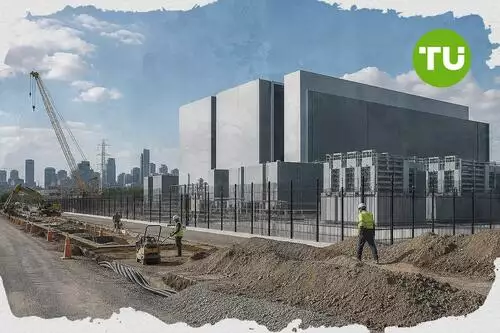
Rising electricity demand from AI, data centers and electrification is intensifying pressure on the U.S. power grid while also creating new openings for utilities and technology providers. Industry executives say the strain is accelerating interest in load management, transmission upgrades and other tools that could help expand capacity more efficiently.
Highlights
- AI-driven power demand is accelerating grid modernization as utilities face increased complexity from renewable energy, EVs, heat pumps, and large data centers.
- Veir raised $110 million in Series C funding this month to develop superconductive power lines that transmit electricity five times farther using 20 times less space.
- Rising data center demand is prompting industries to explore faster deployment of both traditional grid upgrades and underutilized options to meet surging electricity needs.
Industry sees modernization opening
As reported by TechCrunch, speakers at TechCrunch Disrupt earlier this month say the rapid growth in AI-related power demand is exposing weaknesses in aging grid infrastructure, but also pushing the sector toward faster modernization. They say utilities are now dealing with a more complex system shaped by renewable energy, electric vehicles, heat pumps and large new data center connections.Apoorv Bhargava, founder and CEO of Weavegrid, says utilities are grappling with how to manage and orchestrate a grid with far more variables than before. His company develops software intended to help organizations deploy energy more efficiently and optimize connections in ways that can reduce costs for utility bill payers.
Bhargava says the challenge is not only the amount of new load, but how that load is coordinated across an increasingly dynamic network. That is making grid management technology more important as power demand climbs across the country.
Infrastructure and market implications
Tim Heidel, CEO of Veir, says the scale of investment in AI infrastructure is driving significant innovation in technologies that can help data centers operate more efficiently within local communities. Veir is building superconductive power lines designed to transmit electricity more efficiently than conventional lines, with the company saying its cables can carry power five times farther while using 20 times less space.Earlier this month, Veir raised $110 million in a Series C funding round, underscoring investor interest in grid hardware tied to the expansion of AI infrastructure. Heidel says the sector needs to adopt emerging technologies as quickly as possible to support the next stage of growth.
Kristen Eberhard, vice president of policy at Rewiring America, says the rise in data center demand is also creating greater urgency for industries to test a wider range of solutions. In her view, that includes not only more transmission lines and centralized generation, but also better use of options that had previously received less attention before AI sharply lifted electricity demand.
Our earlier article on U.S. AI data center expansion highlighted that many large projects are being delayed or questioned as rising financing costs, construction overruns, and power limitations mount. We noted that grid constraints and growing local opposition are adding pressure on developers to secure reliable electricity supply, making timelines and returns harder to predict.






Latest USA News




-
 Afghanistan
-
 Albania
-
 Algeria
-
 Angola
-
 Argentina
-
 Armenia
-
 Australia
-
 Austria
-
 Azerbaijan
-
 Bahamas
-
 Bahrain
-
 Bangladesh
-
 Belarus
-
 Belgium
-
 Bolivia
-
 Botswana
-
 Brazil
-
 Brunei
-
 Bulgaria
-
 Cambodia
-
 Cameroon
-
 Canada
-
 Chile
-
 China
-
 Colombia
-
 Congo
-
 Costa Rica
-
 Cote d'Ivoire
-
 Croatia
-
 Cuba
-
 Cyprus
-
 Czechia
-
 DR Congo
-
 Denmark
-
 Dominican Republic
-
 Ecuador
-
 Egypt
-
 El Salvador
-
 Estonia
-
 Eswatini
-
 Ethiopia
-
 Finland
-
 France
-
 Georgia
-
 Germany
-
 Ghana
-
 Greece
-
 Haiti
-
 Hong Kong
-
 Hungary
-
 India
-
 Indonesia
-
 Iran, Islamic republic
-
 Iraq
-
 Ireland
-
 Israel
-
 Italy
-
 Jamaica
-
 Japan
-
 Jordan
-
 Kazakhstan
-
 Kenya
-
 Korea
-
 Kuwait
-
 Kyrgyzstan
-
 Laos
-
 Latvia
-
 Lebanon
-
 Lesotho
-
 Libya
-
 Lithuania
-
 Luxembourg
-
 Madagascar
-
 Malaysia
-
 Malta
-
 Mauritius
-
 Mexico
-
 Moldova
-
 Mongolia
-
 Montenegro
-
 Morocco
-
 Mozambique
-
 Myanmar
-
 Namibia
-
 Nepal
-
 Netherlands
-
 New Zealand
-
 Nigeria
-
 North Macedonia
-
 Norway
-
 Oman
-
 Pakistan
-
 Palestine
-
 Panama
-
 Papua New Guinea
-
 Paraguay
-
 Peru
-
 Philippines
-
 Poland
-
 Portugal
-
 Puerto Rico
-
 Qatar
-
 Reunion
-
 Romania
-
 Rwanda
-
 Saudi Arabia
-
 Serbia
-
 Singapore
-
 Slovakia
-
 Slovenia
-
 Somalia
-
 South Africa
-
 Spain
-
 Sri Lanka
-
 Sweden
-
 Switzerland
-
 Syria
-
 Taiwan
-
 Tajikistan
-
 Tanzania
-
 Thailand
-
 Trinidad and Tobago
-
 Tunisia
-
 Turkey
-
 UAE
-
 Uganda
-
 Ukraine
-
 United Kingdom
-
United States
-
 Uruguay
-
 Uzbekistan
-
 Venezuela
-
 Vietnam
-
 Yemen
-
 Zambia
-
 Zimbabwe
- Forex
- Crypto












