

Data center developers pledge broader project disclosures to local communities

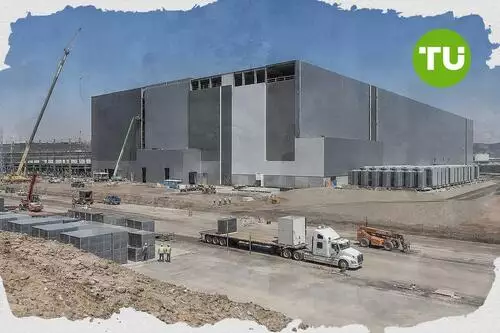
Amid growing scrutiny of data center expansion, several major developers are committing to give local communities more information about how their projects operate. The pledge covers power demand, water use and ownership structures, areas that have drawn concern as large facilities seek local approvals.
Highlights
- Blackstone's QTS, Vantage Data Centers, Compass Datacenters, and Digital Realty pledged expanded project disclosures, including power and water use, as Infrastructure for America founders.
- The four companies confirmed to Bloomberg they do not require state and local governments to sign non-disclosure agreements amid local backlash and demands for transparency.
- Developers' commitments reflect mounting industry pressure to improve transparency and address opposition over resource use as data center expansion accelerates in sensitive local markets.
Transparency commitments from major developers
As reported by Bloomberg, Blackstone Inc.'s QTS joined Vantage Data Centers, Compass Datacenters and Digital Realty in pledging to provide more detailed disclosures on their projects to local communities.The companies are making the commitments as founding members of industry group Infrastructure for America. Their stated disclosures include project power demands, water use and ownership structures, all of which are increasingly important issues for residents and local officials reviewing new developments.
Local approval pressures shape industry response
Separately, the four firms told Bloomberg they do not require state and local governments to sign non-disclosure agreements. Such agreements have sparked backlash from local communities that are seeking greater clarity around the scale and impact of data center projects.The commitments signal a broader effort by large data center developers to address opposition tied to resource use and project transparency. For the real estate and digital infrastructure sectors, clearer disclosure practices could become more important as developers pursue expansion in communities facing rising concerns over electricity demand and water consumption.
Our earlier coverage of the U.S. AI data center buildout highlighted how soaring financing costs, construction delays, and power constraints are increasingly testing developers’ ability to deliver projects as planned. We also noted that local opposition and grid limitations are becoming major bottlenecks, raising doubts about how quickly new computing capacity can realistically come online.






Latest Blackstone Group News




-
 Afghanistan
-
 Albania
-
 Algeria
-
 Angola
-
 Argentina
-
 Armenia
-
 Australia
-
 Austria
-
 Azerbaijan
-
 Bahamas
-
 Bahrain
-
 Bangladesh
-
 Belarus
-
 Belgium
-
 Bolivia
-
 Botswana
-
 Brazil
-
 Brunei
-
 Bulgaria
-
 Cambodia
-
 Cameroon
-
 Canada
-
 Chile
-
 China
-
 Colombia
-
 Congo
-
 Costa Rica
-
 Cote d'Ivoire
-
 Croatia
-
 Cuba
-
 Cyprus
-
 Czechia
-
 DR Congo
-
 Denmark
-
 Dominican Republic
-
 Ecuador
-
 Egypt
-
 El Salvador
-
 Estonia
-
 Eswatini
-
 Ethiopia
-
 Finland
-
 France
-
 Georgia
-
 Germany
-
 Ghana
-
 Greece
-
 Haiti
-
 Hong Kong
-
 Hungary
-
 India
-
 Indonesia
-
 Iran, Islamic republic
-
 Iraq
-
 Ireland
-
 Israel
-
 Italy
-
 Jamaica
-
 Japan
-
 Jordan
-
 Kazakhstan
-
 Kenya
-
 Korea
-
 Kuwait
-
 Kyrgyzstan
-
 Laos
-
 Latvia
-
 Lebanon
-
 Lesotho
-
 Libya
-
 Lithuania
-
 Luxembourg
-
 Madagascar
-
 Malaysia
-
 Malta
-
 Mauritius
-
 Mexico
-
 Moldova
-
 Mongolia
-
 Montenegro
-
 Morocco
-
 Mozambique
-
 Myanmar
-
 Namibia
-
 Nepal
-
 Netherlands
-
 New Zealand
-
 Nigeria
-
 North Macedonia
-
 Norway
-
 Oman
-
 Pakistan
-
 Palestine
-
 Panama
-
 Papua New Guinea
-
 Paraguay
-
 Peru
-
 Philippines
-
 Poland
-
 Portugal
-
 Puerto Rico
-
 Qatar
-
 Reunion
-
 Romania
-
 Rwanda
-
 Saudi Arabia
-
 Serbia
-
 Singapore
-
 Slovakia
-
 Slovenia
-
 Somalia
-
 South Africa
-
 Spain
-
 Sri Lanka
-
 Sweden
-
 Switzerland
-
 Syria
-
 Taiwan
-
 Tajikistan
-
 Tanzania
-
 Thailand
-
 Trinidad and Tobago
-
 Tunisia
-
 Turkey
-
 UAE
-
 Uganda
-
 Ukraine
-
 United Kingdom
-
United States
-
 Uruguay
-
 Uzbekistan
-
 Venezuela
-
 Vietnam
-
 Yemen
-
 Zambia
-
 Zimbabwe
- Forex
- Crypto












