

Oil gains as geopolitical risks mount

Oil prices rose Wednesday after Yemen’s Houthis said they had attacked Saudi Arabia’s Ras Tanura refinery, raising concerns about potential disruptions to Middle Eastern crude supplies. The gains came despite expectations of a global oil surplus and uncertainty surrounding OPEC+ production policy for 2027.
Highlights
- Brent gains 1.27% on Saudi supply concerns.
- Houthis claim an attack on Saudi Ras Tanura refinery.
- U.S. crude inventories increase by 126,000 barrels.
According to Reuters, traders were factoring higher geopolitical risks into crude prices. February Brent crude futures gained 1.27% to $89.91 a barrel, while January U.S. West Texas Intermediate (WTI) futures rose 1.44% to $83.23. Both benchmarks had gained more than 2% on Tuesday.
Houthi claims raise fears over Saudi oil supplies
The Houthis said they had targeted the Ras Tanura refinery and Riyadh’s financial district. The claims have not been independently verified.
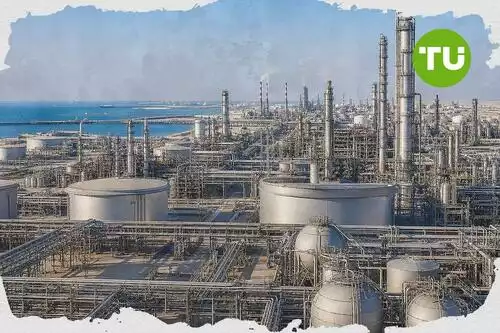
Ras Tanura forms part of a major industrial complex on Saudi Arabia’s Gulf coast that also serves as a crude export terminal. Disruptions at the facility could affect international shipments of crude oil and refined petroleum products.
Tamas Varga, an oil analyst at brokerage PVM, attributed Wednesday’s price increases to a higher geopolitical risk premium. He also pointed to traders potentially closing short positions ahead of the U.S. Thanksgiving holiday.
Recent maritime security incidents near the Strait of Hormuz have compounded concerns about the reliability of energy shipments from the Persian Gulf.
U.S. crude stocks rise ahead of OPEC+ talks
U.S. crude inventories increased by 126,000 barrels in the week ended Nov. 20, according to American Petroleum Institute data. Analysts had expected a significantly larger increase of 1.5 million barrels. Expectations of excess global supply have kept oil prices in check since the International Energy Agency released its November market assessment, according to Tsuyoshi Ueno, senior economist at NLI Research Institute.
OPEC+ ministers are scheduled to meet Nov. 29 to determine production policy for 2027. Iraq is pressing for a higher assessment of its production capacity, which could influence its future output quota. Zhenqiang Seto, a senior oil research specialist at LSEG, identified uncertainty over production policy, the absence of OPEC+ restrictions on the United Arab Emirates and weakening investor risk appetite as factors limiting oil prices.
Libya also resumed crude flows through its Sharara pipeline after a temporary shutdown.
Middle East tensions test global oil supply outlook
Brent is approaching $90 a barrel despite persistent expectations of excess global supply. However, Wednesday’s rally reflects the risk of potential supply losses rather than confirmed disruptions at Ras Tanura.
Without evidence of significant production or export losses, further price gains could be limited by rising inventories and the prospect of higher output in 2027. The Nov. 29 OPEC+ meetings and the security of Middle Eastern export flows remain central to the near-term price outlook.
Earlier, we reported that Red Sea shipping risks rise as Houthis threaten to attack Saudi ports.






Latest Brent News



-
 Afghanistan
-
 Albania
-
 Algeria
-
 Angola
-
 Argentina
-
 Armenia
-
 Australia
-
 Austria
-
 Azerbaijan
-
 Bahamas
-
 Bahrain
-
 Bangladesh
-
 Belarus
-
 Belgium
-
 Bolivia
-
 Botswana
-
 Brazil
-
 Brunei
-
 Bulgaria
-
 Cambodia
-
 Cameroon
-
 Canada
-
 Chile
-
 China
-
 Colombia
-
 Congo
-
 Costa Rica
-
 Cote d'Ivoire
-
 Croatia
-
 Cuba
-
 Cyprus
-
 Czechia
-
 DR Congo
-
 Denmark
-
 Dominican Republic
-
 Ecuador
-
 Egypt
-
 El Salvador
-
 Estonia
-
 Eswatini
-
 Ethiopia
-
 Finland
-
 France
-
 Georgia
-
 Germany
-
 Ghana
-
 Greece
-
 Haiti
-
 Hong Kong
-
 Hungary
-
 India
-
 Indonesia
-
 Iran, Islamic republic
-
 Iraq
-
 Ireland
-
 Israel
-
 Italy
-
 Jamaica
-
 Japan
-
 Jordan
-
 Kazakhstan
-
 Kenya
-
 Korea
-
 Kuwait
-
 Kyrgyzstan
-
 Laos
-
 Latvia
-
 Lebanon
-
 Lesotho
-
 Libya
-
 Lithuania
-
 Luxembourg
-
 Madagascar
-
 Malaysia
-
 Malta
-
 Mauritius
-
 Mexico
-
 Moldova
-
 Mongolia
-
 Montenegro
-
 Morocco
-
 Mozambique
-
 Myanmar
-
 Namibia
-
 Nepal
-
 Netherlands
-
 New Zealand
-
 Nigeria
-
 North Macedonia
-
 Norway
-
 Oman
-
 Pakistan
-
 Palestine
-
 Panama
-
 Papua New Guinea
-
 Paraguay
-
 Peru
-
 Philippines
-
 Poland
-
 Portugal
-
 Puerto Rico
-
 Qatar
-
 Reunion
-
 Romania
-
 Rwanda
-
 Saudi Arabia
-
 Serbia
-
 Singapore
-
 Slovakia
-
 Slovenia
-
 Somalia
-
 South Africa
-
 Spain
-
 Sri Lanka
-
 Sweden
-
 Switzerland
-
 Syria
-
 Taiwan
-
 Tajikistan
-
 Tanzania
-
 Thailand
-
 Trinidad and Tobago
-
 Tunisia
-
 Turkey
-
 UAE
-
 Uganda
-
 Ukraine
-
 United Kingdom
-
United States
-
 Uruguay
-
 Uzbekistan
-
 Venezuela
-
 Vietnam
-
 Yemen
-
 Zambia
-
 Zimbabwe
- Forex
- Crypto












