

Shipping risks rise in Strait of Hormuz after three oil tankers hit mines

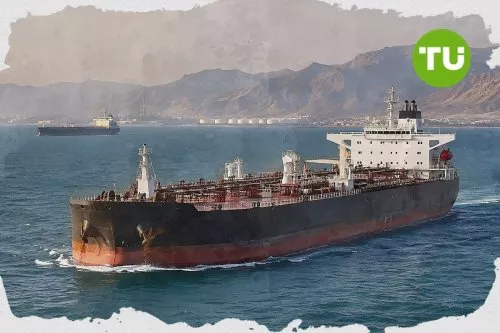
Iran's Islamic Revolutionary Guard Corps said three oil tankers struck naval mines in the Strait of Hormuz despite receiving U.S. military protection, raising fresh concerns about the safety of commercial shipping. The reported incidents came as Washington expanded sanctions targeting financial networks that support Tehran's oil revenues.
Highlights
- Iran says three tankers struck mines in Hormuz.
- U.S. sanctions target Iranian shadow banking networks.
- Brent falls to 0.25% despite shipping risks.
In a statement carried by Iranian state media, the Revolutionary Guards said the vessels suffered explosions and fires despite U.S. military escorts. The incidents have not been independently confirmed, and the Iranian statement did not identify the tankers, according to CNBC.
Hormuz shipping risks intensify
The reported explosions underscore the difficulties facing commercial shipping through the Strait of Hormuz, where Iran has sought to impose restrictions on maritime traffic. Washington has reinforced its military presence in the Gulf while maintaining a naval blockade of Iranian ports, further complicating regional energy transportation.
Diplomatic efforts to contain the conflict are continuing. Qatari Prime Minister Sheikh Mohammed bin Abdulrahman Al Thani and U.S. Secretary of State Marco Rubio discussed regional security during the eighth Qatar-U.S. Strategic Dialogue in Washington on Monday. The discussions emphasized freedom of maritime navigation and diplomatic coordination to reduce tensions across the region.
U.S. targets financial networks behind Iranian oil exports
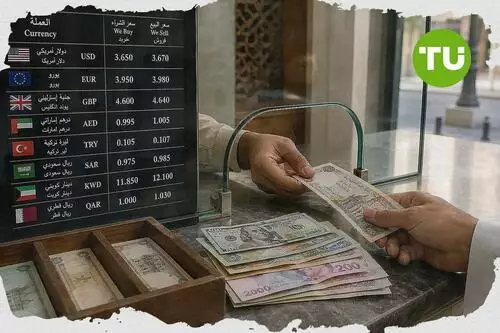
The U.S. Treasury announced sanctions on more than two dozen Iranian currency exchange businesses, front companies, and individuals on Monday. The measures target informal financial networks that Washington says enable Tehran to move money internationally and sustain revenue from oil exports despite existing restrictions.
The sanctions form part of Operation Economic Outcast, a campaign expanded since August to restrict Iran's access to international financial channels. The confrontation has also raised concerns about maritime cybersecurity. U.S. authorities are reportedly investigating cyberattacks targeting as many as 50 vessels carrying oil, liquefied petroleum gas, chemicals, and other cargoes. Investigators are examining possible Iranian and Russian involvement, although responsibility has not been established.
Oil prices edge lower despite Hormuz tensions
Oil futures declined on Tuesday as recovering regional supplies and stronger Russian exports outweighed immediate concerns about shipping disruptions. February 2027 Brent crude futures fell 0.25% to $86.46 a barrel, while January 2027 West Texas Intermediate futures slipped 0.30% to $79.93, according to the latest market quotes.
The recovery in Russian refined-product exports has helped ease supply constraints ahead of winter, with diesel shipments returning to approximately 400,000 barrels a day in November, according to Eurasia Group analyst Gregory Brew. He expects Brent to remain in the lower half of an $80 to $100 trading range. However, further disruptions in the Strait of Hormuz could undermine that outlook, particularly if shipping restrictions prevent recovering Middle Eastern production from reaching international buyers.
Earlier, we reported that U.S. officials warn Iran's blockade could drive premiums higher.






Latest Iran war News



-
 Afghanistan
-
 Albania
-
 Algeria
-
 Angola
-
 Argentina
-
 Armenia
-
 Australia
-
 Austria
-
 Azerbaijan
-
 Bahamas
-
 Bahrain
-
 Bangladesh
-
 Belarus
-
 Belgium
-
 Bolivia
-
 Botswana
-
 Brazil
-
 Brunei
-
 Bulgaria
-
 Cambodia
-
 Cameroon
-
 Canada
-
 Chile
-
 China
-
 Colombia
-
 Congo
-
 Costa Rica
-
 Cote d'Ivoire
-
 Croatia
-
 Cuba
-
 Cyprus
-
 Czechia
-
 DR Congo
-
 Denmark
-
 Dominican Republic
-
 Ecuador
-
 Egypt
-
 El Salvador
-
 Estonia
-
 Eswatini
-
 Ethiopia
-
 Finland
-
 France
-
 Georgia
-
 Germany
-
 Ghana
-
 Greece
-
 Haiti
-
 Hong Kong
-
 Hungary
-
 India
-
 Indonesia
-
 Iran, Islamic republic
-
 Iraq
-
 Ireland
-
 Israel
-
 Italy
-
 Jamaica
-
 Japan
-
 Jordan
-
 Kazakhstan
-
 Kenya
-
 Korea
-
 Kuwait
-
 Kyrgyzstan
-
 Laos
-
 Latvia
-
 Lebanon
-
 Lesotho
-
 Libya
-
 Lithuania
-
 Luxembourg
-
 Madagascar
-
 Malaysia
-
 Malta
-
 Mauritius
-
 Mexico
-
 Moldova
-
 Mongolia
-
 Montenegro
-
 Morocco
-
 Mozambique
-
 Myanmar
-
 Namibia
-
 Nepal
-
 Netherlands
-
 New Zealand
-
 Nigeria
-
 North Macedonia
-
 Norway
-
 Oman
-
 Pakistan
-
 Palestine
-
 Panama
-
 Papua New Guinea
-
 Paraguay
-
 Peru
-
 Philippines
-
 Poland
-
 Portugal
-
 Puerto Rico
-
 Qatar
-
 Reunion
-
 Romania
-
 Rwanda
-
 Saudi Arabia
-
 Serbia
-
 Singapore
-
 Slovakia
-
 Slovenia
-
 Somalia
-
 South Africa
-
 Spain
-
 Sri Lanka
-
 Sweden
-
 Switzerland
-
 Syria
-
 Taiwan
-
 Tajikistan
-
 Tanzania
-
 Thailand
-
 Trinidad and Tobago
-
 Tunisia
-
 Turkey
-
 UAE
-
 Uganda
-
 Ukraine
-
 United Kingdom
-
United States
-
 Uruguay
-
 Uzbekistan
-
 Venezuela
-
 Vietnam
-
 Yemen
-
 Zambia
-
 Zimbabwe
- Forex
- Crypto












