

U.S. Treasury flags $14.7 billion in activity tied to Iranian shadow banking

U.S. financial institutions have flagged about $14.7 billion in financial activity from January 2025 to August 2026 that may be linked to Iranian shadow banking networks. The analysis points to cross-border flows centered on the United Arab Emirates, Hong Kong and Singapore, underscoring how suspected Iran-linked finance continues to span multiple industries and jurisdictions.
Highlights
- FinCEN identified $14.7 billion in suspicious activity tied to Iranian shadow banking, involving cross-border flows connected to the UAE, Hong Kong, and Singapore.
- Mainland China-based banks routed approximately $2.6 billion, Singapore-based $981 million, and UK-based $922 million to UAE-based banks in flagged transactions.
- FinCEN's latest advisories and reporting requirements target Iran-linked activities including oil smuggling, shadow banking, and front companies through October 2026, with whistleblower incentives for tips above $1 million in penalties.
FinCEN analysis outlines cross-border flows
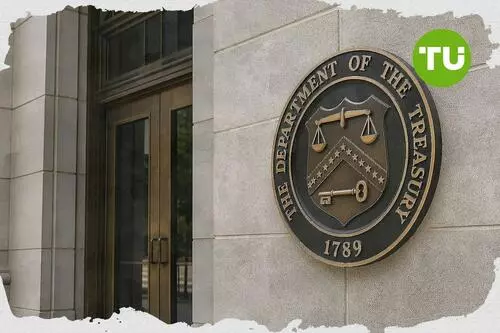
As reported by U.S. Department of the Treasury, the Financial Crimes Enforcement Network, or FinCEN, identified the activity in a new Financial Trend Analysis based on suspicious activity reports submitted by U.S. financial institutions to support law enforcement and national security agencies.Secretary of the Treasury Scott Bessent says financial institutions are often the first line of defense in blocking regime-linked funds from reaching the U.S. economy, adding that Treasury will continue efforts to cut off financial channels that support Iran's military, weapons programs and proxy groups.
FinCEN says the trends and methods associated with potential Iranian shadow banking remain relatively consistent through 2026. The networks continue to be connected across continents, with prominent links in the UAE, Hong Kong and Singapore, and with activity tied to oil, shipping, investment, technology procurement and other sectors.
Banking routes and compliance implications
The most common routes for flagged funds were from mainland China-based banks to UAE-based banks, at about $2.6 billion, from Singapore-based banks to UAE-based banks, at about $981 million, and from UK-based banks to UAE-based banks, at about $922 million.FinCEN also identifies the potential use of companies registered in the Marshall Islands and the British Virgin Islands, often at addresses linked to corporate registries, as an area of concern. Potential Iran-linked companies are involved in a wide range of businesses, including shipping, trading and oil.
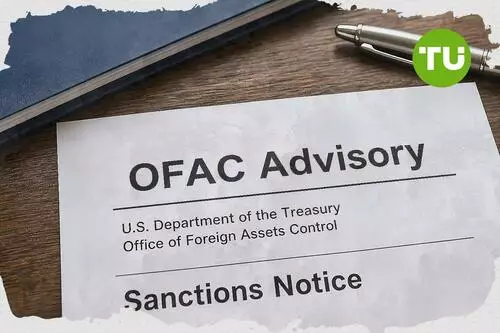
To support Bank Secrecy Act reporting, FinCEN has previously issued advisories and alerts on Iran-linked oil smuggling, shadow banking, weapons procurement, front companies, digital asset infrastructure, commercial aviation procurement efforts and abuse of religious charity networks between June 2025 and October 2026.
Through its whistleblower incentive program, FinCEN says individuals in the U.S. or abroad who provide information on sanctions violations may qualify for an award if the information leads to a successful enforcement action with monetary penalties above $1 million. Treasury says recent guidance also covers possible violations involving Iranian proxies and facilitators operating outside Iran.
The latest update follows our earlier article on Operation Economic Outcast, the Treasury’s sanctions move targeting Iran’s overseas oil network.






Latest Sanctions News



-
 Afghanistan
-
 Albania
-
 Algeria
-
 Angola
-
 Argentina
-
 Armenia
-
 Australia
-
 Austria
-
 Azerbaijan
-
 Bahamas
-
 Bahrain
-
 Bangladesh
-
 Belarus
-
 Belgium
-
 Bolivia
-
 Botswana
-
 Brazil
-
 Brunei
-
 Bulgaria
-
 Cambodia
-
 Cameroon
-
 Canada
-
 Chile
-
 China
-
 Colombia
-
 Congo
-
 Costa Rica
-
 Cote d'Ivoire
-
 Croatia
-
 Cuba
-
 Cyprus
-
 Czechia
-
 DR Congo
-
 Denmark
-
 Dominican Republic
-
 Ecuador
-
 Egypt
-
 El Salvador
-
 Estonia
-
 Eswatini
-
 Ethiopia
-
 Finland
-
 France
-
 Georgia
-
 Germany
-
 Ghana
-
 Greece
-
 Haiti
-
 Hong Kong
-
 Hungary
-
 India
-
 Indonesia
-
 Iran, Islamic republic
-
 Iraq
-
 Ireland
-
 Israel
-
 Italy
-
 Jamaica
-
 Japan
-
 Jordan
-
 Kazakhstan
-
 Kenya
-
 Korea
-
 Kuwait
-
 Kyrgyzstan
-
 Laos
-
 Latvia
-
 Lebanon
-
 Lesotho
-
 Libya
-
 Lithuania
-
 Luxembourg
-
 Madagascar
-
 Malaysia
-
 Malta
-
 Mauritius
-
 Mexico
-
 Moldova
-
 Mongolia
-
 Montenegro
-
 Morocco
-
 Mozambique
-
 Myanmar
-
 Namibia
-
 Nepal
-
 Netherlands
-
 New Zealand
-
 Nigeria
-
 North Macedonia
-
 Norway
-
 Oman
-
 Pakistan
-
 Palestine
-
 Panama
-
 Papua New Guinea
-
 Paraguay
-
 Peru
-
 Philippines
-
 Poland
-
 Portugal
-
 Puerto Rico
-
 Qatar
-
 Reunion
-
 Romania
-
 Rwanda
-
 Saudi Arabia
-
 Serbia
-
 Singapore
-
 Slovakia
-
 Slovenia
-
 Somalia
-
 South Africa
-
 Spain
-
 Sri Lanka
-
 Sweden
-
 Switzerland
-
 Syria
-
 Taiwan
-
 Tajikistan
-
 Tanzania
-
 Thailand
-
 Trinidad and Tobago
-
 Tunisia
-
 Turkey
-
 UAE
-
 Uganda
-
 Ukraine
-
 United Kingdom
-
United States
-
 Uruguay
-
 Uzbekistan
-
 Venezuela
-
 Vietnam
-
 Yemen
-
 Zambia
-
 Zimbabwe
- Forex
- Crypto












