

U.S. Treasury expands Iran sanctions on exchange houses and front companies

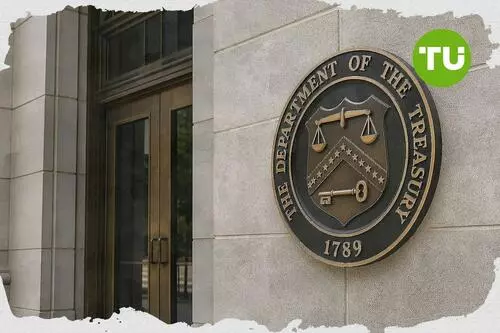
The U.S. is widening financial pressure on Iran by targeting a broad network of exchange houses, shell companies and intermediaries tied to the country’s shadow banking system. The move covers more than two dozen entities and individuals across Iran, the United Arab Emirates, Türkiye and Hong Kong, and is part of Treasury’s Operation Economic Outcast.
Highlights
- U.S. Treasury expanded Iran sanctions on August 24, 2026, targeting exchange houses, rahbar companies, and front firms in Dubai, Türkiye, and Hong Kong involved in cross-border payments.
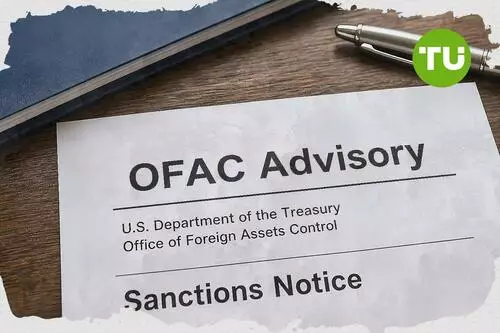
- The new designations block property and interests of named entities, including Mellat Exchange Company and the Iran Center for Exchange of Currency and Gold, and require reporting to OFAC.
- Treasury states that financial institutions globally risk losing U.S. financial system access and expanded secondary sanctions exposure if they facilitate significant transactions for designated Iranian entities.
New designations target trade finance channels
As reported by U.S. Department of the Treasury, the latest action is aimed at disrupting the financial infrastructure that supports much of Iran’s remaining foreign trade by restricting access to foreign currency and cross-border payment channels despite existing sanctions.Treasury says the measures are taken under Executive Orders 13902, 13224, as amended, and 13871. Secretary of the Treasury Scott Bessent says the campaign is part of a broader effort to dismantle what Treasury describes as illicit networks used to move billions of dollars through the international financial system.
The department says Iran’s shadow banking system is overseen by the Central Bank of Iran and relies on domestic exchange houses and so-called rahbar companies, which manage sanctions evasion networks for Iranian clients. Treasury names Rahbar Bazargani Nesim Baharan Qeshm Company, Mina Fashki and Partners Exchange Company, and Mellat Exchange Company among the Iran-based firms designated in the action, along with senior officials linked to those businesses.
Treasury also lists front companies in Dubai, Türkiye and Hong Kong that it says are used to facilitate cross-border payments for Iranian clients. Among them are Grand Target Heavy Equipment and Machinery Spare Parts Trading L.L.C, Recaz Star General Trading LLC, OGA Global General Trading L.L.C, Khore Al Hilal Goods Wholesalers Trading LLC, Bogazici Gumrukleme Ithalat Ihracat Turizm Petrol Urunleri Sanayi Ve Ticaret Limited Sirketi, and Grandez Trading Limited.
Separate designations also cover other Dubai-based trading firms that Treasury says supported transactions involving Iranian copper, petrochemicals, oil and military-linked shipping activity. The action additionally targets the Iran Center for Exchange of Currency and Gold, which Treasury says plays a central intermediary role in matching exporters and importers across tens of billions of dollars in annual trade.
Broader enforcement risks for banks and counterparties
Operation Economic Outcast, announced by Bessent on August 24, 2026, is presented by Treasury as a wider enforcement drive to sever Iran’s remaining economic lifelines. The department says it is working with partners across the U.S. government, the European Union, UK and Gulf states to target oil smuggling, sanctions evasion and funding channels tied to Tehran.Treasury warns that any entity facilitating money laundering or sanctions evasion on Iran’s behalf risks losing access to the U.S. financial system. It also says the operation expands secondary sanctions exposure for parties that continue doing business with the Iranian regime and will accelerate the pace of U.S. enforcement.
Under the OFAC action, all property and interests in property of the designated persons that are in the U.S. or in the possession or control of U.S. persons are blocked and must be reported to OFAC. Entities owned 50% or more by one or more blocked persons are also blocked, while U.S. persons are generally prohibited from transactions involving those assets unless authorized or exempt.
For financial institutions, the implications extend beyond asset freezes. Treasury says foreign banks that knowingly conduct or facilitate significant transactions for designated persons can face prohibitions or strict conditions on correspondent or payable-through accounts in the U.S., raising compliance risks for firms handling regional trade flows linked to Iran.
We have also analyzed Treasury’s earlier sanctions move targeting an Iranian oil network under Operation Economic Outcast.






Latest Sanctions News



-
 Afghanistan
-
 Albania
-
 Algeria
-
 Angola
-
 Argentina
-
 Armenia
-
 Australia
-
 Austria
-
 Azerbaijan
-
 Bahamas
-
 Bahrain
-
 Bangladesh
-
 Belarus
-
 Belgium
-
 Bolivia
-
 Botswana
-
 Brazil
-
 Brunei
-
 Bulgaria
-
 Cambodia
-
 Cameroon
-
 Canada
-
 Chile
-
 China
-
 Colombia
-
 Congo
-
 Costa Rica
-
 Cote d'Ivoire
-
 Croatia
-
 Cuba
-
 Cyprus
-
 Czechia
-
 DR Congo
-
 Denmark
-
 Dominican Republic
-
 Ecuador
-
 Egypt
-
 El Salvador
-
 Estonia
-
 Eswatini
-
 Ethiopia
-
 Finland
-
 France
-
 Georgia
-
 Germany
-
 Ghana
-
 Greece
-
 Haiti
-
 Hong Kong
-
 Hungary
-
 India
-
 Indonesia
-
 Iran, Islamic republic
-
 Iraq
-
 Ireland
-
 Israel
-
 Italy
-
 Jamaica
-
 Japan
-
 Jordan
-
 Kazakhstan
-
 Kenya
-
 Korea
-
 Kuwait
-
 Kyrgyzstan
-
 Laos
-
 Latvia
-
 Lebanon
-
 Lesotho
-
 Libya
-
 Lithuania
-
 Luxembourg
-
 Madagascar
-
 Malaysia
-
 Malta
-
 Mauritius
-
 Mexico
-
 Moldova
-
 Mongolia
-
 Montenegro
-
 Morocco
-
 Mozambique
-
 Myanmar
-
 Namibia
-
 Nepal
-
 Netherlands
-
 New Zealand
-
 Nigeria
-
 North Macedonia
-
 Norway
-
 Oman
-
 Pakistan
-
 Palestine
-
 Panama
-
 Papua New Guinea
-
 Paraguay
-
 Peru
-
 Philippines
-
 Poland
-
 Portugal
-
 Puerto Rico
-
 Qatar
-
 Reunion
-
 Romania
-
 Rwanda
-
 Saudi Arabia
-
 Serbia
-
 Singapore
-
 Slovakia
-
 Slovenia
-
 Somalia
-
 South Africa
-
 Spain
-
 Sri Lanka
-
 Sweden
-
 Switzerland
-
 Syria
-
 Taiwan
-
 Tajikistan
-
 Tanzania
-
 Thailand
-
 Trinidad and Tobago
-
 Tunisia
-
 Turkey
-
 UAE
-
 Uganda
-
 Ukraine
-
 United Kingdom
-
United States
-
 Uruguay
-
 Uzbekistan
-
 Venezuela
-
 Vietnam
-
 Yemen
-
 Zambia
-
 Zimbabwe
- Forex
- Crypto












