

Pakistan fuel prices cut as lower oil costs ease import pressure

Pakistan has lowered petrol and high-speed diesel prices effective Wednesday, Nov. 25, 2026, after a decline in global oil markets. The move reduces petrol by Re1 per litre to Rs318 and diesel by Rs4 per litre to Rs353, reflecting a pricing mechanism approved by the federal government.
Highlights
- Pakistan reduced petrol to Rs318 per litre and high-speed diesel to Rs353 per litre, effective Nov. 25, 2026, following new government guidelines.
- Brent crude futures dropped to $89.17 a barrel, hitting a three-month low and driving the latest downward revision in Pakistan's domestic fuel rates.
- Lower global oil prices are expected to reduce Pakistan's imported energy costs, directly impacting transport, freight, agriculture, and overall business activity.
Revised fuel rates for Nov. 25
As reported by Business Recorder, citing OGRA, the new petroleum prices are calculated under the petroleum products pricing mechanism approved by Pakistan's federal government. Petrol now stands at Rs318 per litre, while high-speed diesel is set at Rs353 per litre, with the revised rates taking effect on Wednesday, Nov. 25, 2026.The government says the adjustment follows lower international oil prices. The source text states that the revised prices remain effective for Wednesday, Nov. 25, 2026.
Global oil market sets the direction
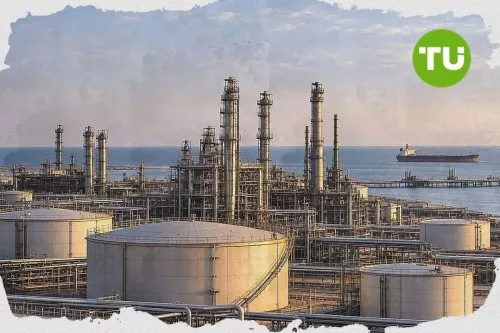
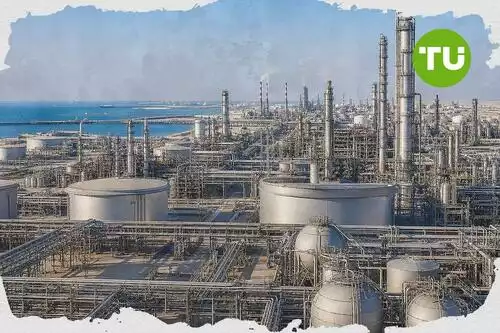
International crude prices have fallen to three-month lows as higher supply raises the prospect of a market surplus despite continuing geopolitical risks. Brent crude futures dropped to $89.17 a barrel, marking a notable decline and shaping the latest domestic fuel price revision in Pakistan.For Pakistan, lower global oil prices can help moderate imported energy costs, an important factor for transport and broader business activity. Changes in diesel prices are especially closely watched because they affect freight, agriculture and other fuel-intensive sectors across the economy.
Previously, we outlined the main factors behind oil market surplus concerns as traders weighed OPEC+ output decisions and Middle East risks.






Latest Brent News



-
 Afghanistan
-
 Albania
-
 Algeria
-
 Angola
-
 Argentina
-
 Armenia
-
 Australia
-
 Austria
-
 Azerbaijan
-
 Bahamas
-
 Bahrain
-
 Bangladesh
-
 Belarus
-
 Belgium
-
 Bolivia
-
 Botswana
-
 Brazil
-
 Brunei
-
 Bulgaria
-
 Cambodia
-
 Cameroon
-
 Canada
-
 Chile
-
 China
-
 Colombia
-
 Congo
-
 Costa Rica
-
 Cote d'Ivoire
-
 Croatia
-
 Cuba
-
 Cyprus
-
 Czechia
-
 DR Congo
-
 Denmark
-
 Dominican Republic
-
 Ecuador
-
 Egypt
-
 El Salvador
-
 Estonia
-
 Eswatini
-
 Ethiopia
-
 Finland
-
 France
-
 Georgia
-
 Germany
-
 Ghana
-
 Greece
-
 Haiti
-
 Hong Kong
-
 Hungary
-
 India
-
 Indonesia
-
 Iran, Islamic republic
-
 Iraq
-
 Ireland
-
 Israel
-
 Italy
-
 Jamaica
-
 Japan
-
 Jordan
-
 Kazakhstan
-
 Kenya
-
 Korea
-
 Kuwait
-
 Kyrgyzstan
-
 Laos
-
 Latvia
-
 Lebanon
-
 Lesotho
-
 Libya
-
 Lithuania
-
 Luxembourg
-
 Madagascar
-
 Malaysia
-
 Malta
-
 Mauritius
-
 Mexico
-
 Moldova
-
 Mongolia
-
 Montenegro
-
 Morocco
-
 Mozambique
-
 Myanmar
-
 Namibia
-
 Nepal
-
 Netherlands
-
 New Zealand
-
 Nigeria
-
 North Macedonia
-
 Norway
-
 Oman
-
 Pakistan
-
 Palestine
-
 Panama
-
 Papua New Guinea
-
 Paraguay
-
 Peru
-
 Philippines
-
 Poland
-
 Portugal
-
 Puerto Rico
-
 Qatar
-
 Reunion
-
 Romania
-
 Rwanda
-
 Saudi Arabia
-
 Serbia
-
 Singapore
-
 Slovakia
-
 Slovenia
-
 Somalia
-
 South Africa
-
 Spain
-
 Sri Lanka
-
 Sweden
-
 Switzerland
-
 Syria
-
 Taiwan
-
 Tajikistan
-
 Tanzania
-
 Thailand
-
 Trinidad and Tobago
-
 Tunisia
-
 Turkey
-
 UAE
-
 Uganda
-
 Ukraine
-
 United Kingdom
-
United States
-
 Uruguay
-
 Uzbekistan
-
 Venezuela
-
 Vietnam
-
 Yemen
-
 Zambia
-
 Zimbabwe
- Forex
- Crypto












