

Can XBR sustain gains as US-Iran diplomacy develops and risk premium uncertainties persist?

Brent crude (XBR) is trading higher, with prices recently moving up amid geopolitical signals. The current driver is renewed hopes for easing tensions between the U.S. and Iran, which could alter the risk premium attached to oil. Traders are watching U.S.-Iran diplomatic developments for signs of a shift in the geopolitical landscape affecting XBR.
 93.83
93.56
Highlights
- Brent crude briefly dipped below $90 per barrel for the first time since August after U.S. President Trump expressed hopes for resolving the nine-month conflict with Iran.
- Energy market participants moderated risk-averse positioning as prospects for de-escalation threatened to reduce the geopolitical premium on oil supplies.
- Brent maintains a bullish short-term technical structure above key moving averages, with support near $90.66 and major resistance around $94.76 as volatility persists.
Brent crude reacts to U.S.-Iran diplomacy signals
According to CNBC, on November 10, 2026, Brent crude briefly fell below $90 per barrel for the first time since August after U.S. President Donald Trump made comments that lifted hopes for a resolution to the nearly nine-month conflict between the U.S. and Iran.
These comments suggested a potential de-escalation in the long-running geopolitical standoff, which historically elevates the oil risk premium by threatening supply chains. A reduction in conflict risk can quickly lower perceived supply threats, moderating risk-averse positioning among energy market participants.
While the immediate price reaction reflected optimism over diplomacy, the overall risk context remains conditional on the pace and credibility of any further actions or official statements from the involved parties. This places the onus on ongoing headline risk from U.S.-Iran talks for additional direction.
Bullish structure on 4H chart with resistance overhead
On the 4H chart, XBR remains above the H4 SMA-20 at $90.14 and the H4 SMA-50 at $90.66, indicating a bullish short-term structure as conflict headlines are digested. The price is currently positioned below the D1 SMA-200 at $94.76, pointing to an area of potential upside resistance as supply risk re-pricing unfolds.
The Kijun level at $89.76 acts as technical support on the H4 timeframe. Technical signals from the MACD are aligned with buying momentum, though the ADX suggests a less clear trend, highlighting potential volatility as market participants weigh both technical and geopolitical factors.
Diplomatic progress vs renewed tension in U.S.-Iran talks
The next move for Brent crude will depend on the credibility of diplomatic progress between the U.S. and Iran. Support is identified around the H4 SMA-50 at $90.66, while the D1 SMA-200 at $94.76 presents a likely cap on upside moves. Further confirmation of lasting peace talks could extend gains, but renewed tensions or stalled negotiations would undermine current bullish momentum.
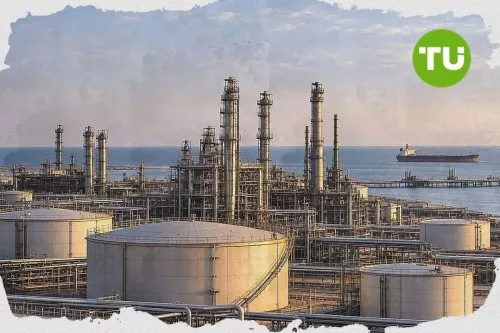
Earlier, analysts noted that geopolitical risk from Middle East tensions and potential disruptions to major Saudi oil infrastructure had been driving Brent crude prices higher. The current focus on U.S.-Iran diplomatic developments adds a new dimension to the risk outlook, with the credibility and pace of peace talks now serving as the key factor for Brent's next significant move.






Latest Brent News



-
 Afghanistan
-
 Albania
-
 Algeria
-
 Angola
-
 Argentina
-
 Armenia
-
 Australia
-
 Austria
-
 Azerbaijan
-
 Bahamas
-
 Bahrain
-
 Bangladesh
-
 Belarus
-
 Belgium
-
 Bolivia
-
 Botswana
-
 Brazil
-
 Brunei
-
 Bulgaria
-
 Cambodia
-
 Cameroon
-
 Canada
-
 Chile
-
 China
-
 Colombia
-
 Congo
-
 Costa Rica
-
 Cote d'Ivoire
-
 Croatia
-
 Cuba
-
 Cyprus
-
 Czechia
-
 DR Congo
-
 Denmark
-
 Dominican Republic
-
 Ecuador
-
 Egypt
-
 El Salvador
-
 Estonia
-
 Eswatini
-
 Ethiopia
-
 Finland
-
 France
-
 Georgia
-
 Germany
-
 Ghana
-
 Greece
-
 Haiti
-
 Hong Kong
-
 Hungary
-
 India
-
 Indonesia
-
 Iran, Islamic republic
-
 Iraq
-
 Ireland
-
 Israel
-
 Italy
-
 Jamaica
-
 Japan
-
 Jordan
-
 Kazakhstan
-
 Kenya
-
 Korea
-
 Kuwait
-
 Kyrgyzstan
-
 Laos
-
 Latvia
-
 Lebanon
-
 Lesotho
-
 Libya
-
 Lithuania
-
 Luxembourg
-
 Madagascar
-
 Malaysia
-
 Malta
-
 Mauritius
-
 Mexico
-
 Moldova
-
 Mongolia
-
 Montenegro
-
 Morocco
-
 Mozambique
-
 Myanmar
-
 Namibia
-
 Nepal
-
 Netherlands
-
 New Zealand
-
 Nigeria
-
 North Macedonia
-
 Norway
-
 Oman
-
 Pakistan
-
 Palestine
-
 Panama
-
 Papua New Guinea
-
 Paraguay
-
 Peru
-
 Philippines
-
 Poland
-
 Portugal
-
 Puerto Rico
-
 Qatar
-
 Reunion
-
 Romania
-
 Rwanda
-
 Saudi Arabia
-
 Serbia
-
 Singapore
-
 Slovakia
-
 Slovenia
-
 Somalia
-
 South Africa
-
 Spain
-
 Sri Lanka
-
 Sweden
-
 Switzerland
-
 Syria
-
 Taiwan
-
 Tajikistan
-
 Tanzania
-
 Thailand
-
 Trinidad and Tobago
-
 Tunisia
-
 Turkey
-
 UAE
-
 Uganda
-
 Ukraine
-
 United Kingdom
-
United States
-
 Uruguay
-
 Uzbekistan
-
 Venezuela
-
 Vietnam
-
 Yemen
-
 Zambia
-
 Zimbabwe
- Forex
- Crypto












