

India Scotch import probe rattles liquor sector under UK trade pact

India's investigation into bulk Scotch whisky imports is unsettling a $65 billion liquor market and testing one of the most commercially significant parts of the India-UK free trade agreement. The dispute centers on whether bulk Scotch qualifies for the lower 75% import tariff introduced when the pact took effect in July, or remains subject to the previous 150% duty under a newer customs classification.
Highlights
- India-UK free trade agreement effective July 15 cuts Scotch import tariff to 75% from 150%, due to fall to 40% over 10 years.
- Indian officials dispute lower tariff eligibility for bulk Scotch shipments used in local whisky production, maintaining a 150% duty versus 75% for bottled imports.
- About 80% of Scotch imported by volume comes in bulk; sector faces risk as trade groups warn the dispute could undermine market access and local manufacturing.
Tariff dispute over bulk Scotch imports
As first reported by Reuters, the clash marks the first significant dispute since the India-UK free trade agreement took effect on July 15, after years of negotiations in which whisky tariffs were a key sticking point. Under the deal, India agreed to cut import taxes on certain Scotch imports to 75% from 150% immediately, with the rate set to fall further to 40% over 10 years.The British government says "iconic UK products" including whisky and gin stand to benefit from the tariff changes. Although Indian state taxes and other levies remain high and vary across the country, the cut is still seen as offering some price relief for Scotch products.
Indian officials are privately arguing with companies including Diageo, Pernod, Radico Khaitan and Allied Blenders and Distillers that bulk Scotch imports do not qualify for the lower tariff. While bottled Scotch imported into India receives the reduced duty, officials contend that bulk shipments used in local whisky production fall under a customs category for "compound alcoholic preparations of a kind used for the manufacture of beverages", which still attracts the old 150% tariff.
Tax officials have searched company offices in recent weeks as part of the investigation, while the industry is disputing the classification. Rajnish Singh, founder of Yaana Advisors, says compound alcoholic beverages are flavored or modified alcohols, whereas bulk Scotch whisky is a distilled alcoholic beverage made with malted barley and water. The Indian government is due to hold talks with the industry on the issue.
Risks for local producers and UK exporters
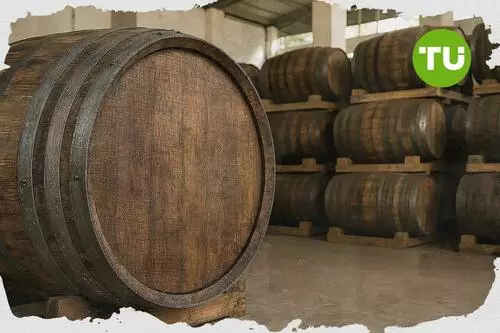
India is the largest export market by volume for Scotch whisky, with the equivalent of more than 220 million bottles shipped there in 2025, according to the UK-based Scotch Whisky Association. Industry estimates indicate that about 80% of Scotch imports from Britain by volume arrive in bulk, largely for use in Indian-Made Foreign Liquor, or IMFL, products sold by Pernod, Diageo and domestic distillers.The tariff dispute is raising concern on both sides of the trade corridor. After Reuters reported last month on the scrutiny of companies in India, a UK government spokesperson said it is working with the Indian government to ensure UK businesses can export under the tariffs agreed in the trade deal, and Scotland's leader John Swinney also raised the issue during a visit that ended last week.
Indian industry groups are also warning of unintended domestic consequences. The International Spirits & Wines Association of India has argued privately that the classification issue risks weakening a key market-access gain negotiated with the UK, while the Confederation of Indian Alcoholic Beverage Companies says excluding bulk Scotch from the tariff cut could favor finished whisky imports over local manufacturing, running against India's push to support domestic production. Allied Blenders said in an investor presentation last week that it is one of the largest bulk Scotch importers and that the UK pact would improve access to its luxury portfolio.
In our earlier report on India’s widening merchandise trade deficit, we noted that imports continued to outpace exports in September, adding pressure to the country’s external balance. The article also highlighted India’s push to broaden market access through new and ongoing trade agreements, including the pact with Britain—context that helps explain why tariff interpretations and classifications can quickly become contentious once such deals take effect.










-
 Afghanistan
-
 Albania
-
 Algeria
-
 Angola
-
 Argentina
-
 Armenia
-
 Australia
-
 Austria
-
 Azerbaijan
-
 Bahamas
-
 Bahrain
-
 Bangladesh
-
 Belarus
-
 Belgium
-
 Bolivia
-
 Botswana
-
 Brazil
-
 Brunei
-
 Bulgaria
-
 Cambodia
-
 Cameroon
-
 Canada
-
 Chile
-
 China
-
 Colombia
-
 Congo
-
 Costa Rica
-
 Cote d'Ivoire
-
 Croatia
-
 Cuba
-
 Cyprus
-
 Czechia
-
 DR Congo
-
 Denmark
-
 Dominican Republic
-
 Ecuador
-
 Egypt
-
 El Salvador
-
 Estonia
-
 Eswatini
-
 Ethiopia
-
 Finland
-
 France
-
 Georgia
-
 Germany
-
 Ghana
-
 Greece
-
 Haiti
-
 Hong Kong
-
 Hungary
-
 India
-
 Indonesia
-
 Iran, Islamic republic
-
 Iraq
-
 Ireland
-
 Israel
-
 Italy
-
 Jamaica
-
 Japan
-
 Jordan
-
 Kazakhstan
-
 Kenya
-
 Korea
-
 Kuwait
-
 Kyrgyzstan
-
 Laos
-
 Latvia
-
 Lebanon
-
 Lesotho
-
 Libya
-
 Lithuania
-
 Luxembourg
-
 Madagascar
-
 Malaysia
-
 Malta
-
 Mauritius
-
 Mexico
-
 Moldova
-
 Mongolia
-
 Montenegro
-
 Morocco
-
 Mozambique
-
 Myanmar
-
 Namibia
-
 Nepal
-
 Netherlands
-
 New Zealand
-
 Nigeria
-
 North Macedonia
-
 Norway
-
 Oman
-
 Pakistan
-
 Palestine
-
 Panama
-
 Papua New Guinea
-
 Paraguay
-
 Peru
-
 Philippines
-
 Poland
-
 Portugal
-
 Puerto Rico
-
 Qatar
-
 Reunion
-
 Romania
-
 Rwanda
-
 Saudi Arabia
-
 Serbia
-
 Singapore
-
 Slovakia
-
 Slovenia
-
 Somalia
-
 South Africa
-
 Spain
-
 Sri Lanka
-
 Sweden
-
 Switzerland
-
 Syria
-
 Taiwan
-
 Tajikistan
-
 Tanzania
-
 Thailand
-
 Trinidad and Tobago
-
 Tunisia
-
 Turkey
-
 UAE
-
 Uganda
-
 Ukraine
-
 United Kingdom
-
United States
-
 Uruguay
-
 Uzbekistan
-
 Venezuela
-
 Vietnam
-
 Yemen
-
 Zambia
-
 Zimbabwe
- Forex
- Crypto












