

ACT battery project starts operations as government targets long-term revenue

Canberra's biggest battery storage asset has entered service at Williamsdale, adding 250 megawatts of capacity to the ACT's electricity system. The government says the project can support up to one-third of Canberra's electricity needs for two hours during peak demand and is expected to become cost-positive over time.
Highlights
- The Williamsdale battery storage system, featuring 136 Tesla Megapack 2 units, began operations after construction delays pushed completion past the original 2025–2026 targets.
- The ACT government will pay Eku Energy $368 million over 15 years for grid support, receiving 50 percent of net revenue when stored energy is sold back to the grid.
- The battery system has capacity to store and discharge 500 megawatt hours daily, aiming to enhance energy reliability but offering no guarantee of lower household power bills.
Williamsdale battery enters service after delays
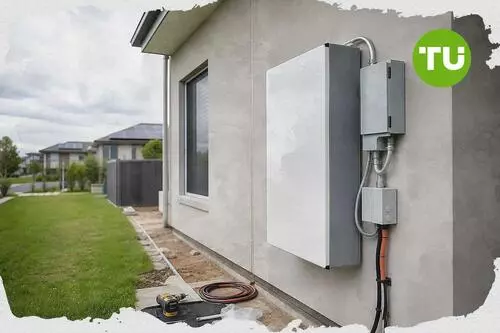
As reported by ABC News, the Williamsdale battery storage system is now online south of Tuggeranong after the project's completion timetable extended beyond earlier targets. The system was first expected to be completed in 2025, then pushed to early 2026, but those deadlines were not met.Private company Eku Energy designed, built and owns the facility, which includes 136 Tesla Megapack 2 batteries. The site is connected to the electricity grid through Evoenergy's infrastructure and absorbs excess electricity during periods of low demand before sending power back to the grid when demand rises.
ACT Chief Minister Andrew Barr says the government will pay Eku Energy a support charge of $368 million in instalments over 15 years under the operating agreement. In return, the territory is entitled to 50 per cent of the battery's net revenue when stored energy is sold back into the grid, and Barr says he expects the project to become revenue-positive for the ACT over time.
Grid support role and market impact
Eku Energy policy director Rachel Rundle says the batteries are always connected to the network, allowing them to soak up excess electricity, much of it generated by Australia's wind and solar resources. She says the system can store up to 500 megawatt hours and discharge that amount each day when demand strengthens, including during hot evenings or periods of heavier industrial activity.The project is being positioned as support infrastructure for households, small businesses, hospitals, schools, universities and data centres across Canberra. The government says that broader system role underpins its view that the investment will strengthen energy reliability during peak periods.
Eku Energy chief operating officer Tom Best says there is no guarantee the battery will lower household power bills because electricity pricing remains determined by an open market. He says the operator may influence pricing by bidding capacity during periods of high demand, but cannot promise lower bills for Canberra consumers.
Our earlier article on the US AI data center buildout highlighted how rising costs, tighter financing conditions, and construction delays are making many planned projects look less credible. It also noted that power limitations and local opposition are becoming major bottlenecks, increasing pressure on developers to secure reliable energy supply and deliver projects on schedule.






Latest Australia News



-
 Afghanistan
-
 Albania
-
 Algeria
-
 Angola
-
 Argentina
-
 Armenia
-
 Australia
-
 Austria
-
 Azerbaijan
-
 Bahamas
-
 Bahrain
-
 Bangladesh
-
 Belarus
-
 Belgium
-
 Bolivia
-
 Botswana
-
 Brazil
-
 Brunei
-
 Bulgaria
-
 Cambodia
-
 Cameroon
-
 Canada
-
 Chile
-
 China
-
 Colombia
-
 Congo
-
 Costa Rica
-
 Cote d'Ivoire
-
 Croatia
-
 Cuba
-
 Cyprus
-
 Czechia
-
 DR Congo
-
 Denmark
-
 Dominican Republic
-
 Ecuador
-
 Egypt
-
 El Salvador
-
 Estonia
-
 Eswatini
-
 Ethiopia
-
 Finland
-
 France
-
 Georgia
-
 Germany
-
 Ghana
-
 Greece
-
 Haiti
-
 Hong Kong
-
 Hungary
-
 India
-
 Indonesia
-
 Iran, Islamic republic
-
 Iraq
-
 Ireland
-
 Israel
-
 Italy
-
 Jamaica
-
 Japan
-
 Jordan
-
 Kazakhstan
-
 Kenya
-
 Korea
-
 Kuwait
-
 Kyrgyzstan
-
 Laos
-
 Latvia
-
 Lebanon
-
 Lesotho
-
 Libya
-
 Lithuania
-
 Luxembourg
-
 Madagascar
-
 Malaysia
-
 Malta
-
 Mauritius
-
 Mexico
-
 Moldova
-
 Mongolia
-
 Montenegro
-
 Morocco
-
 Mozambique
-
 Myanmar
-
 Namibia
-
 Nepal
-
 Netherlands
-
 New Zealand
-
 Nigeria
-
 North Macedonia
-
 Norway
-
 Oman
-
 Pakistan
-
 Palestine
-
 Panama
-
 Papua New Guinea
-
 Paraguay
-
 Peru
-
 Philippines
-
 Poland
-
 Portugal
-
 Puerto Rico
-
 Qatar
-
 Reunion
-
 Romania
-
 Rwanda
-
 Saudi Arabia
-
 Serbia
-
 Singapore
-
 Slovakia
-
 Slovenia
-
 Somalia
-
 South Africa
-
 Spain
-
 Sri Lanka
-
 Sweden
-
 Switzerland
-
 Syria
-
 Taiwan
-
 Tajikistan
-
 Tanzania
-
 Thailand
-
 Trinidad and Tobago
-
 Tunisia
-
 Turkey
-
 UAE
-
 Uganda
-
 Ukraine
-
 United Kingdom
-
United States
-
 Uruguay
-
 Uzbekistan
-
 Venezuela
-
 Vietnam
-
 Yemen
-
 Zambia
-
 Zimbabwe
- Forex
- Crypto












