

ACT data centre expansion faces moratorium push over grid and water risks

Rising concern over the resource demands of data centres is intensifying in the ACT as new projects advance alongside broader growth in AI-linked infrastructure. The Conservation Council wants approvals for new and expanded facilities paused until industry-specific rules are introduced for location, water use and electricity demand.
Highlights
- Conservation Council ACT, supported by the ACT Greens, calls for a moratorium on new and expanded data centres due to grid and water risks until stronger regulations exist.
- The proposed A$200 million CDC Data Centre in Beard, conditionally approved in September, would use about 10 percent of ACT's peak energy demand, raising concerns over grid strain.
- Federal and local governments are reviewing standards for data centres—focusing on water use and grid impacts—amid rising community pushback that has recently halted multiple Sydney AI data centre proposals.
Moratorium call as Canberra reviews data centre rules
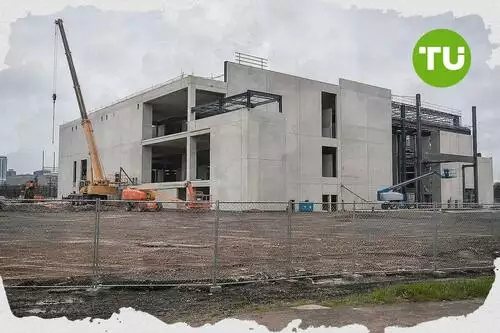
As reported by ABC News, the Conservation Council is calling for a moratorium on new and expanded data centre developments in the ACT until tougher local and federal requirements are in place. The group says Canberra already has 15 data centres, with the first built in 2007, and argues the sector could grow rapidly before regulators put adequate safeguards in place.Conservation Council ACT director Simon Copland says the immediate concern is a second CDC Data Centre in Beard, near Canberra Airport, which receives conditional approval in September. The proposed A$200 million facility is planned as a three-storey building with 12 data halls next to another CDC site, and its application is lodged a week before the ACT government promises a data centre framework setting rules on siting, standards and assessment.
Copland says the first stage of the Beard development is expected to use 5 per cent of the ACT's peak energy demand, with the proposed second centre using about twice that level. He argues a project of that scale would place significant strain on the electricity grid and should not proceed without stronger checks on system impacts, biodiversity and community effects.
Water use and planning impacts draw wider scrutiny
Water supply is also emerging as a central issue in the debate, with the council arguing future developments should operate only where water supplies are secure. It is also pushing for technology such as closed-loop cooling to reduce consumption, saying lower river flows projected under climate forecasts could increase pressure on Canberra's water system.The call for a pause is echoed by the ACT Greens and other community groups, while independent ACT Senator David Pocock calls in June for a tax on data centre operators and stronger environmental protections. Chief Minister Andrew Barr rejects the idea in August, saying the ACT already has rigorous planning, environmental, utility and regulatory requirements.
At the national level, the federal government is working on new standards and oversight for artificial intelligence, including measures that would require large-scale AI data centres to minimise water use and fund their own power supply. Similar disputes are emerging beyond the ACT, and community opposition recently leads to the scrapping of an AI data centre proposal at Sydney's Cooks River, after projects at Lane Cove and Guildford are also dropped in September.
CDC chief executive Greg Boorer says the company has operated in Canberra for two decades without complaints about its facilities and already uses closed-loop cooling. He says data centres are manageable infrastructure if they are built correctly and in suitable locations, adding that Australian planning rules help the sector avoid the problems seen in the U.S.
Our earlier article on the U.S. AI data centre buildout highlighted how the boom is running into hard constraints, including higher financing costs, construction delays and pressure on already-stretched power grids. We also noted that investor confidence is becoming more fragile as only a portion of planned projects looks credible, while community pushback and requirements to secure dedicated power supplies add further hurdles for developers.






Latest Australia News




-
 Afghanistan
-
 Albania
-
 Algeria
-
 Angola
-
 Argentina
-
 Armenia
-
 Australia
-
 Austria
-
 Azerbaijan
-
 Bahamas
-
 Bahrain
-
 Bangladesh
-
 Belarus
-
 Belgium
-
 Bolivia
-
 Botswana
-
 Brazil
-
 Brunei
-
 Bulgaria
-
 Cambodia
-
 Cameroon
-
 Canada
-
 Chile
-
 China
-
 Colombia
-
 Congo
-
 Costa Rica
-
 Cote d'Ivoire
-
 Croatia
-
 Cuba
-
 Cyprus
-
 Czechia
-
 DR Congo
-
 Denmark
-
 Dominican Republic
-
 Ecuador
-
 Egypt
-
 El Salvador
-
 Estonia
-
 Eswatini
-
 Ethiopia
-
 Finland
-
 France
-
 Georgia
-
 Germany
-
 Ghana
-
 Greece
-
 Haiti
-
 Hong Kong
-
 Hungary
-
 India
-
 Indonesia
-
 Iran, Islamic republic
-
 Iraq
-
 Ireland
-
 Israel
-
 Italy
-
 Jamaica
-
 Japan
-
 Jordan
-
 Kazakhstan
-
 Kenya
-
 Korea
-
 Kuwait
-
 Kyrgyzstan
-
 Laos
-
 Latvia
-
 Lebanon
-
 Lesotho
-
 Libya
-
 Lithuania
-
 Luxembourg
-
 Madagascar
-
 Malaysia
-
 Malta
-
 Mauritius
-
 Mexico
-
 Moldova
-
 Mongolia
-
 Montenegro
-
 Morocco
-
 Mozambique
-
 Myanmar
-
 Namibia
-
 Nepal
-
 Netherlands
-
 New Zealand
-
 Nigeria
-
 North Macedonia
-
 Norway
-
 Oman
-
 Pakistan
-
 Palestine
-
 Panama
-
 Papua New Guinea
-
 Paraguay
-
 Peru
-
 Philippines
-
 Poland
-
 Portugal
-
 Puerto Rico
-
 Qatar
-
 Reunion
-
 Romania
-
 Rwanda
-
 Saudi Arabia
-
 Serbia
-
 Singapore
-
 Slovakia
-
 Slovenia
-
 Somalia
-
 South Africa
-
 Spain
-
 Sri Lanka
-
 Sweden
-
 Switzerland
-
 Syria
-
 Taiwan
-
 Tajikistan
-
 Tanzania
-
 Thailand
-
 Trinidad and Tobago
-
 Tunisia
-
 Turkey
-
 UAE
-
 Uganda
-
 Ukraine
-
 United Kingdom
-
United States
-
 Uruguay
-
 Uzbekistan
-
 Venezuela
-
 Vietnam
-
 Yemen
-
 Zambia
-
 Zimbabwe
- Forex
- Crypto












