

Airbus to sell U.S. space unit to Cerberus as satellite operations reshape

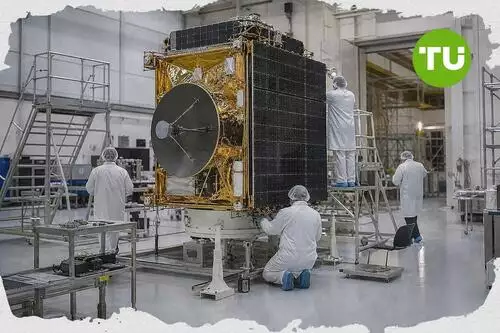
Airbus has agreed to sell its U.S. space business to Cerberus Capital Management, shifting control of a satellite manufacturing operation near Florida's Kennedy Space Center. The deal comes as the French aerospace group advances a separate plan to combine satellite operations with Leonardo and Thales in a European joint venture aimed at competing with SpaceX.
Highlights
- Airbus will sell its U.S. space business, which builds satellites in Florida, to Cerberus by year-end as it restructures space operations.
- Cerberus's acquisition follows congressional scrutiny of Airbus for allegedly providing U.S. military satellite imagery to China ahead of the Iran war, heightening political sensitivity.
- Airbus simultaneously pursues a merger of its satellite operations with Leonardo and Thales to form a European joint venture competing with SpaceX.
Sale terms and strategic context
As first reported by Axios, the transaction is expected to close by year-end and covers Airbus's U.S. space business, which builds satellites for national security and commercial customers near Kennedy Space Center in Florida.The sale places the business under U.S. ownership at a time when Airbus is reworking its broader space operations. Cerberus was founded by Steve Feinberg, who currently serves as the Pentagon's No. 2 official behind Pete Hegseth, according to the report.
Political scrutiny and industry implications
Airbus has faced congressional scrutiny over allegations that it provided satellite imagery of U.S. military assets to China shortly before the Iran war. That backdrop adds political sensitivity to the ownership change, given the unit's work for national security customers.The divestment also fits into a wider restructuring in the satellite sector. Airbus is in the process of merging its satellite operations business with Leonardo and Thales to form a European joint venture that would compete with Elon Musk's SpaceX.
In a previous article, we explained how the Nexperia investment dispute highlighted national-security tensions around Chinese semiconductor ownership in the Netherlands.










-
 Afghanistan
-
 Albania
-
 Algeria
-
 Angola
-
 Argentina
-
 Armenia
-
 Australia
-
 Austria
-
 Azerbaijan
-
 Bahamas
-
 Bahrain
-
 Bangladesh
-
 Belarus
-
 Belgium
-
 Bolivia
-
 Botswana
-
 Brazil
-
 Brunei
-
 Bulgaria
-
 Cambodia
-
 Cameroon
-
 Canada
-
 Chile
-
 China
-
 Colombia
-
 Congo
-
 Costa Rica
-
 Cote d'Ivoire
-
 Croatia
-
 Cuba
-
 Cyprus
-
 Czechia
-
 DR Congo
-
 Denmark
-
 Dominican Republic
-
 Ecuador
-
 Egypt
-
 El Salvador
-
 Estonia
-
 Eswatini
-
 Ethiopia
-
 Finland
-
 France
-
 Georgia
-
 Germany
-
 Ghana
-
 Greece
-
 Haiti
-
 Hong Kong
-
 Hungary
-
 India
-
 Indonesia
-
 Iran, Islamic republic
-
 Iraq
-
 Ireland
-
 Israel
-
 Italy
-
 Jamaica
-
 Japan
-
 Jordan
-
 Kazakhstan
-
 Kenya
-
 Korea
-
 Kuwait
-
 Kyrgyzstan
-
 Laos
-
 Latvia
-
 Lebanon
-
 Lesotho
-
 Libya
-
 Lithuania
-
 Luxembourg
-
 Madagascar
-
 Malaysia
-
 Malta
-
 Mauritius
-
 Mexico
-
 Moldova
-
 Mongolia
-
 Montenegro
-
 Morocco
-
 Mozambique
-
 Myanmar
-
 Namibia
-
 Nepal
-
 Netherlands
-
 New Zealand
-
 Nigeria
-
 North Macedonia
-
 Norway
-
 Oman
-
 Pakistan
-
 Palestine
-
 Panama
-
 Papua New Guinea
-
 Paraguay
-
 Peru
-
 Philippines
-
 Poland
-
 Portugal
-
 Puerto Rico
-
 Qatar
-
 Reunion
-
 Romania
-
 Rwanda
-
 Saudi Arabia
-
 Serbia
-
 Singapore
-
 Slovakia
-
 Slovenia
-
 Somalia
-
 South Africa
-
 Spain
-
 Sri Lanka
-
 Sweden
-
 Switzerland
-
 Syria
-
 Taiwan
-
 Tajikistan
-
 Tanzania
-
 Thailand
-
 Trinidad and Tobago
-
 Tunisia
-
 Turkey
-
 UAE
-
 Uganda
-
 Ukraine
-
 United Kingdom
-
United States
-
 Uruguay
-
 Uzbekistan
-
 Venezuela
-
 Vietnam
-
 Yemen
-
 Zambia
-
 Zimbabwe
- Forex
- Crypto












