
Philippines blocks major crypto exchanges as licensing rules tighten
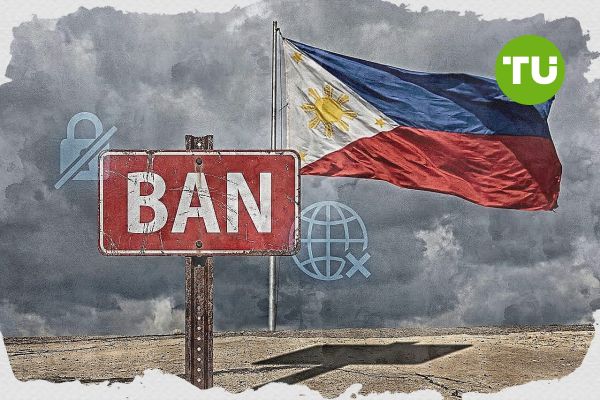
Internet service providers in the Philippines have begun blocking access to major global crypto exchanges as regulators tighten enforcement of local licensing rules.
As of Tuesday, users reported that Coinbase and Gemini were inaccessible across multiple local ISPs, a move independently confirmed by Cointelegraph.
The blocks followed an order from the National Telecommunications Commission, which instructed ISPs to restrict access to around 50 online trading platforms flagged by the Bangko Sentral ng Pilipinas (BSP) as operating without authorization. While the central bank has not released a full list of affected platforms, the action marks a clear shift from regulatory tolerance to active enforcement. Local licensing has now become the decisive requirement for crypto market access in the country. The move signals that regulators are increasingly willing to use infrastructure-level controls to police compliance.
Coinbase and Gemini follow Binance onto the blocked list
The blocking of Coinbase and Gemini builds on earlier enforcement actions against unlicensed exchanges in the Philippines. In December 2023, regulators issued Binance a 90-day compliance window, allowing users time to withdraw funds before a full ban. By March 25, 2024, the NTC ordered ISPs to block Binance, followed weeks later by an SEC directive to Apple and Google to remove the app from local stores.
After enforcement, the SEC said it could not endorse any methods for users to retrieve remaining funds. More recently, the regulator named additional platforms, including OKX, Bybit and KuCoin, as operating without licenses. Together, these actions reflect a consistent policy trajectory toward stricter supervision. The Philippines is signaling that global scale alone will not exempt exchanges from domestic rules.
Regulated crypto firms expand as enforcement tightens
While access to unlicensed platforms is shrinking, regulated crypto players are expanding their presence in the Philippines. In November, locally licensed exchange PDAX partnered with payroll provider Toku to allow remote workers to receive salaries in stablecoins, reducing fees and settlement delays. In December, digital bank GoTyme launched crypto services through a partnership with US fintech firm Alpaca, enabling users to buy and store multiple digital assets within a banking app.
These developments highlight a regulatory preference for supervised, locally compliant infrastructure. Officials appear intent on steering crypto adoption through approved channels rather than banning the sector outright. The contrasting approach suggests enforcement is aimed at control, not suppression. As a result, the Philippines’ crypto market is becoming more segmented between regulated access and blocked global platforms.
Recently we wrote that El Salvador and the International Monetary Fund say negotiations over the country’s Bitcoin policy and the divestment of the state-run Chivo wallet have reached an advanced stage.









-
 Afghanistan
-
 Albania
-
 Algeria
-
 Angola
-
 Argentina
-
 Armenia
-
 Australia
-
 Austria
-
 Azerbaijan
-
 Bahamas
-
 Bahrain
-
 Bangladesh
-
 Belarus
-
 Belgium
-
 Bolivia
-
 Botswana
-
 Brazil
-
 Brunei
-
 Bulgaria
-
 Cambodia
-
 Cameroon
-
 Canada
-
 Chile
Chile
-
 China
China
-
 Colombia
-
 Congo
Congo
-
 Costa Rica
-
 Cote d'Ivoire
-
 Croatia
-
 Cuba
Cuba
-
 Cyprus
-
 Czechia
-
 DR Congo
-
 Denmark
-
 Dominican Republic
-
 Ecuador
-
 Egypt
Egypt
-
 El Salvador
-
 Estonia
-
 Eswatini
-
 Ethiopia
-
 Finland
-
 France
-
 Georgia
-
 Germany
-
 Ghana
Ghana
-
 Greece
-
 Haiti
Haiti
-
 Hong Kong
-
 Hungary
-
 India
India
-
 Indonesia
-
 Iran, Islamic republic
-
 Iraq
Iraq
-
 Ireland
-
 Israel
-
 Italy
Italy
-
 Jamaica
-
 Japan
Japan
-
 Jordan
-
 Kazakhstan
-
 Kenya
Kenya
-
 Korea
Korea
-
 Kuwait
-
 Kyrgyzstan
-
 Laos
Laos
-
 Latvia
-
 Lebanon
-
 Lesotho
-
 Libya
Libya
-
 Lithuania
-
 Luxembourg
-
 Madagascar
-
 Malaysia
-
 Malta
Malta
-
 Mauritius
-
 Mexico
-
 Moldova
-
 Mongolia
-
 Montenegro
-
 Morocco
-
 Mozambique
-
 Myanmar
-
 Namibia
-
 Nepal
Nepal
-
 Netherlands
-
 New Zealand
-
 Nigeria
-
 North Macedonia
-
 Norway
-
 Oman
Oman
-
 Pakistan
-
 Palestine
-
 Panama
-
 Papua New Guinea
-
 Paraguay
-
 Peru
Peru
-
 Philippines
-
 Poland
-
 Portugal
-
 Puerto Rico
-
 Qatar
Qatar
-
 Reunion
-
 Romania
-
 Rwanda
-
 Saudi Arabia
-
 Serbia
-
 Singapore
-
 Slovakia
-
 Slovenia
-
 Somalia
-
 South Africa
-
 Spain
Spain
-
 Sri Lanka
-
 Sweden
-
 Switzerland
-
 Syria
Syria
-
 Taiwan
-
 Tajikistan
-
 Tanzania
-
 Thailand
-
 Trinidad and Tobago
-
 Tunisia
-
 Turkey
-
 UAE
UAE
-
 Uganda
-
 Ukraine
-
 United Kingdom
-
United States
-
 Uruguay
-
 Uzbekistan
-
 Venezuela
-
 Vietnam
-
 Yemen
Yemen
-
 Zambia
-
 Zimbabwe
- Forex
- Crypto











