
Ethereum staking demand surges as entry queue overtakes exits

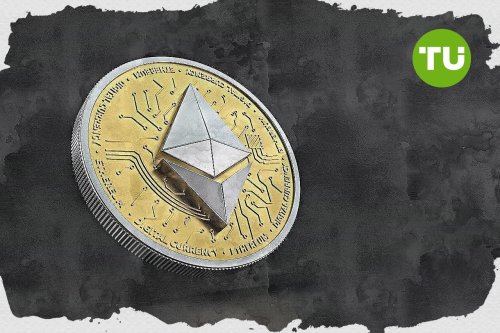
Ethereum’s staking dynamics have shifted decisively, with the validator entry queue now far exceeding the exit queue for the first time in six months.
Roughly 745,619 ETH is currently waiting to be staked, implying a wait time of nearly 13 days, while about 360,518 ETH sits in the exit queue with an eight-day delay, reports Cointelegraph.
The reversal occurred over the weekend, when both queues briefly converged near 460,000 ETH before entry demand accelerated sharply. Market participants often interpret rising staking queues as a sign of growing long-term conviction, as validators are willing to lock up Ether rather than keep it liquid. In contrast, exit queues are typically associated with potential sell pressure. The current imbalance suggests a tightening of liquid supply. Some analysts argue that this shift marks a structural change rather than a short-term anomaly.
Exit queue trends signal easing sell pressure
According to Abdul, head of DeFi at layer-1 blockchain Monad, the exit queue is a leading indicator for predictable ETH supply entering the market. He noted that since July, around 5% of Ethereum’s total supply has changed hands, partly driven by large unstaking events such as Kiln’s orderly validator exit in September. A significant portion of that ETH, roughly 70%, has reportedly been absorbed by digital asset treasury firm BitMine.
Abdul estimates BitMine now controls about 3.4% of the total ETH supply, reducing immediate downside pressure. At the current pace, he projects the validator exit queue could reach zero by early January. If that happens, a major source of consistent ETH selling may disappear. Historically, similar conditions have coincided with stronger price performance.
Treasury accumulation and upgrades fuel confidence
Large-scale accumulation by institutional-style treasuries appears to be a key driver behind the surge in staking demand. Onchain data shows BitMine staked more than 342,000 ETH, worth around $1 billion, over a two-day period. Other commentators suggest protocol-level factors are also contributing, including expectations around Ethereum’s upcoming Pectra upgrade, which aims to improve staking efficiency and raise validator limits. These changes could make it easier for large holders to stake substantial balances without operational friction.
DeFi dynamics may also be playing a role, as higher borrowing rates on platforms like Aave forced leveraged stETH positions to unwind earlier in the year. With deleveraging largely complete and staking UX improving, Ether is increasingly being positioned as a long-term yield-bearing asset. Together, these forces point to renewed confidence in Ethereum’s staking economy heading into 2026.
Recently we wrote that Ethereum (ETH) is trading at $3,037.55, up $102.50 (3.49%) on the day.










-
 Afghanistan
-
 Albania
-
 Algeria
-
 Angola
-
 Argentina
-
 Armenia
-
 Australia
-
 Austria
-
 Azerbaijan
-
 Bahamas
-
 Bahrain
-
 Bangladesh
-
 Belarus
-
 Belgium
-
 Bolivia
-
 Botswana
-
 Brazil
-
 Brunei
-
 Bulgaria
-
 Cambodia
-
 Cameroon
-
 Canada
-
 Chile
Chile
-
 China
China
-
 Colombia
-
 Congo
Congo
-
 Costa Rica
-
 Cote d'Ivoire
-
 Croatia
-
 Cuba
Cuba
-
 Cyprus
-
 Czechia
-
 DR Congo
-
 Denmark
-
 Dominican Republic
-
 Ecuador
-
 Egypt
Egypt
-
 El Salvador
-
 Estonia
-
 Eswatini
-
 Ethiopia
-
 Finland
-
 France
-
 Georgia
-
 Germany
-
 Ghana
Ghana
-
 Greece
-
 Haiti
Haiti
-
 Hong Kong
-
 Hungary
-
 India
India
-
 Indonesia
-
 Iran, Islamic republic
-
 Iraq
Iraq
-
 Ireland
-
 Israel
-
 Italy
Italy
-
 Jamaica
-
 Japan
Japan
-
 Jordan
-
 Kazakhstan
-
 Kenya
Kenya
-
 Korea
Korea
-
 Kuwait
-
 Kyrgyzstan
-
 Laos
Laos
-
 Latvia
-
 Lebanon
-
 Lesotho
-
 Libya
Libya
-
 Lithuania
-
 Luxembourg
-
 Madagascar
-
 Malaysia
-
 Malta
Malta
-
 Mauritius
-
 Mexico
-
 Moldova
-
 Mongolia
-
 Montenegro
-
 Morocco
-
 Mozambique
-
 Myanmar
-
 Namibia
-
 Nepal
Nepal
-
 Netherlands
-
 New Zealand
-
 Nigeria
-
 North Macedonia
-
 Norway
-
 Oman
Oman
-
 Pakistan
-
 Palestine
-
 Panama
-
 Papua New Guinea
-
 Paraguay
-
 Peru
Peru
-
 Philippines
-
 Poland
-
 Portugal
-
 Puerto Rico
-
 Qatar
Qatar
-
 Reunion
-
 Romania
-
 Rwanda
-
 Saudi Arabia
-
 Serbia
-
 Singapore
-
 Slovakia
-
 Slovenia
-
 Somalia
-
 South Africa
-
 Spain
Spain
-
 Sri Lanka
-
 Sweden
-
 Switzerland
-
 Syria
Syria
-
 Taiwan
-
 Tajikistan
-
 Tanzania
-
 Thailand
-
 Trinidad and Tobago
-
 Tunisia
-
 Turkey
-
 UAE
UAE
-
 Uganda
-
 Ukraine
-
 United Kingdom
-
United States
-
 Uruguay
-
 Uzbekistan
-
 Venezuela
-
 Vietnam
-
 Yemen
Yemen
-
 Zambia
-
 Zimbabwe
- Forex
- Crypto












