
Visa picks BVNK to bring stablecoins into Visa Direct payouts

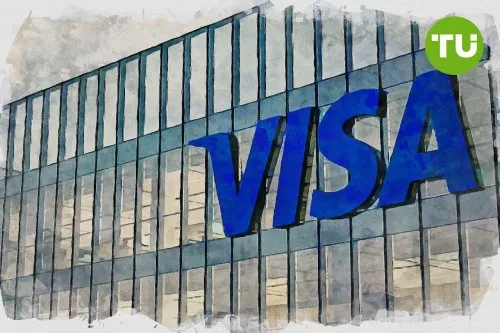
Visa has selected UK-based stablecoin infrastructure provider BVNK to power new Visa Direct pilots that let some business customers pre-fund cross-border payouts in stablecoins and send digital US dollars directly to recipients’ wallets in select markets.
The initiative builds on Visa’s earlier stablecoin work, including settlement tests using USDC on networks like Ethereum and Solana, as the payments giant keeps expanding beyond card rails, reports Cointelegraph.
Visa framed the move as part of its longer-term effort to modernize money movement with systems that work outside bank operating hours, calling stablecoins a key opportunity in global payments. BVNK said the mandate came through a “competitive tender,” positioning the company as “best in class” as traditional payment firms race to integrate tokenized dollars. The pilot approach suggests Visa is testing stablecoin payouts as an enterprise tool first, before rolling them wider based on demand and regulatory clearance. If the program scales, it would further normalize stablecoins as backend payment infrastructure rather than just trading liquidity.
Strategic funding ties deepen after Coinbase deal collapses
The partnership follows Visa’s May 2025 strategic investment in BVNK via Visa Ventures, reinforcing that this pilot is part of a multi-year roadmap rather than a one-off experiment. Citi Ventures also invested in BVNK in October 2025, underlining growing Wall Street interest in stablecoin rails as regulated money movement becomes a competitive battleground. The deal also marks a fast return to the spotlight for BVNK after it and Coinbase walked away from a proposed $2 billion acquisition in November following due diligence. That deal had been viewed as a way for Coinbase to deepen stablecoin-driven revenue and compete with payment incumbents like Western Union, MoneyGram, and SWIFT as they expand tokenized-dollar strategies.
BVNK said it is currently working with a limited set of Visa Direct enterprise clients in high-demand corridors, with expansion planned across more markets, currencies, stablecoins, and customer segments. The subtext is clear: BVNK is scaling through partnerships instead of being absorbed, betting it can become infrastructure for multiple giants at once. For Visa, the pilots offer a controlled path to stablecoin adoption without needing to overhaul its entire payout stack overnight.
Stablecoin adoption grows as regulators tighten the rules
The timing lands in a period where stablecoins are becoming too large for regulators to ignore, with global market cap near $280 billion by late 2025, according to the ECB, and the IMF estimating $3–$4 trillion in annual stablecoin transaction volume. Onchain data has also pointed to widening retail and business usage, with a joint Artemis and Dune report showing active stablecoin wallets rising by more than 50% from February 2024 to February 2025.
But the same growth is driving closer scrutiny, with institutions like the ECB warning that stablecoins could create spillover risks to bank funding even as they improve cross-border settlement efficiency. In the US, the policy debate around the CLARITY Act and related market structure bills is also shaping what stablecoin-powered payment products can look like, especially around rewards or yield-style incentives. BVNK said its payout flows are restricted to compliant wallets and counterparties and designed to align with emerging frameworks including MiCA, plus UK and US regimes. In practice, stablecoin payouts may become one of the clearest “regulated use cases” for crypto — but only if compliance friction doesn’t erase the speed and cost advantages that made the assets attractive in the first place.
Recently we wrote that Pakistan has reportedly signed an agreement with a company connected to World Liberty Financial — the Trump family-linked crypto venture — to explore using its dollar-pegged stablecoin USD1 for cross-border payments.







-
 Afghanistan
-
 Albania
-
 Algeria
-
 Angola
-
 Argentina
-
 Armenia
-
 Australia
-
 Austria
-
 Azerbaijan
-
 Bahamas
-
 Bahrain
-
 Bangladesh
-
 Belarus
-
 Belgium
-
 Bolivia
-
 Botswana
-
 Brazil
-
 Brunei
-
 Bulgaria
-
 Cambodia
-
 Cameroon
-
 Canada
-
 Chile
Chile
-
 China
China
-
 Colombia
-
 Congo
Congo
-
 Costa Rica
-
 Cote d'Ivoire
-
 Croatia
-
 Cuba
Cuba
-
 Cyprus
-
 Czechia
-
 DR Congo
-
 Denmark
-
 Dominican Republic
-
 Ecuador
-
 Egypt
Egypt
-
 El Salvador
-
 Estonia
-
 Eswatini
-
 Ethiopia
-
 Finland
-
 France
-
 Georgia
-
 Germany
-
 Ghana
Ghana
-
 Greece
-
 Haiti
Haiti
-
 Hong Kong
-
 Hungary
-
 India
India
-
 Indonesia
-
 Iran, Islamic republic
-
 Iraq
Iraq
-
 Ireland
-
 Israel
-
 Italy
Italy
-
 Jamaica
-
 Japan
Japan
-
 Jordan
-
 Kazakhstan
-
 Kenya
Kenya
-
 Korea
Korea
-
 Kuwait
-
 Kyrgyzstan
-
 Laos
Laos
-
 Latvia
-
 Lebanon
-
 Lesotho
-
 Libya
Libya
-
 Lithuania
-
 Luxembourg
-
 Madagascar
-
 Malaysia
-
 Malta
Malta
-
 Mauritius
-
 Mexico
-
 Moldova
-
 Mongolia
-
 Montenegro
-
 Morocco
-
 Mozambique
-
 Myanmar
-
 Namibia
-
 Nepal
Nepal
-
 Netherlands
-
 New Zealand
-
 Nigeria
-
 North Macedonia
-
 Norway
-
 Oman
Oman
-
 Pakistan
-
 Palestine
-
 Panama
-
 Papua New Guinea
-
 Paraguay
-
 Peru
Peru
-
 Philippines
-
 Poland
-
 Portugal
-
 Puerto Rico
-
 Qatar
Qatar
-
 Reunion
-
 Romania
-
 Rwanda
-
 Saudi Arabia
-
 Serbia
-
 Singapore
-
 Slovakia
-
 Slovenia
-
 Somalia
-
 South Africa
-
 Spain
Spain
-
 Sri Lanka
-
 Sweden
-
 Switzerland
-
 Syria
Syria
-
 Taiwan
-
 Tajikistan
-
 Tanzania
-
 Thailand
-
 Trinidad and Tobago
-
 Tunisia
-
 Turkey
-
 UAE
UAE
-
 Uganda
-
 Ukraine
-
 United Kingdom
-
United States
-
 Uruguay
-
 Uzbekistan
-
 Venezuela
-
 Vietnam
-
 Yemen
Yemen
-
 Zambia
-
 Zimbabwe
- Forex
- Crypto











