The tweet was deleted by the author.
But we saved everything 🙂.
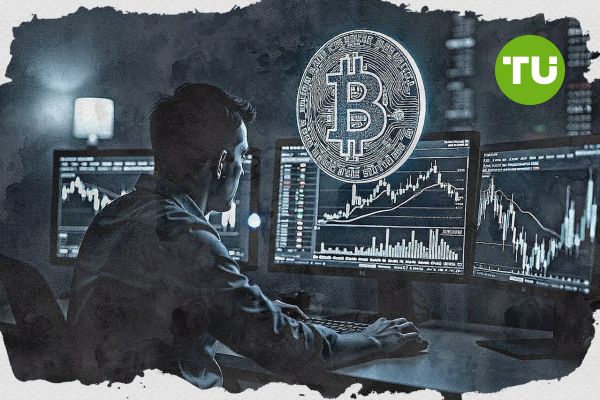
Bitcoin’s latest selloff has intensified fears of a prolonged downturn, with prices falling to around $60,000 amid sharp volatility and eroding investor confidence.
The move extends a steep decline from the October peak and has erased an estimated $1.2 trillion in total crypto market value, according to market data.
Over the past week alone, Bitcoin has dropped more than 30%, prompting some analysts to describe market conditions as a phase of “full capitulation.” The scale and speed of the decline have revived comparisons with past bear markets, when prolonged drawdowns reshaped trading strategies and investor behavior for months.
On-chain data suggest that large holders have played a central role in the latest slide. Wallets classified as “whales” and “sharks,” holding between 10 and 10,000 BTC, now control 68.04% of Bitcoin’s circulating supply, a nine-month low.
According to Santiment, these entities sold 81,068 BTC in the past eight days, adding significant supply during a period of thin liquidity.
Crypto analyst known as Sherlock has mapped the current cycle against previous bear markets, noting that Bitcoin experienced peak-to-trough drawdowns of roughly 93% in 2011, 86% in 2015, 84% in 2018, and 77% in 2022. If the pattern of gradually smaller declines continues, Sherlock projects a potential 70% drawdown this cycle, implying a possible bottom near $38,000.
Not all market participants share the most bearish projections. Critics on social media argue that increasing institutional participation could limit losses to a 55%–60% correction, softer than earlier cycles.
They point to the growth of regulated investment products and deeper liquidity as stabilizing forces. Sherlock counters that market reflexivity can amplify moves in both directions, cautioning traders against attempting to time a precise bottom. With Bitcoin now trading near levels last seen in October 2024, analysts say the next phase will depend on whether selling pressure eases or accelerates further.
Bitcoin’s price trajectory influences risk appetite across the entire crypto market. A deeper drawdown could force traders to reassess leverage, time horizons, and capital allocation, while long-term investors may weigh whether lower prices present accumulation opportunities or signal structural weakness.
The outcome of this correction will likely shape portfolio strategies, liquidity conditions, and sentiment for digital assets in the months ahead.
Read also: Crypto markets slide amid geopolitical and macro risks.

 Afghanistan
 Albania
 Algeria
 Angola
 Argentina
 Armenia
 Australia
 Austria
 Azerbaijan
 Bahamas
 Bahrain
 Bangladesh
 Belarus
 Belgium
 Bolivia
 Botswana
 Brazil
 Brunei
 Bulgaria
 Cambodia
 Cameroon
 Canada
 Chile
Chile
 China
China
 Colombia
 Congo
Congo
 Costa Rica
 Cote d'Ivoire
 Croatia
 Cuba
Cuba
 Cyprus
 Czechia
 DR Congo
 Denmark
 Dominican Republic
 Ecuador
 Egypt
Egypt
 El Salvador
 Estonia
 Eswatini
 Ethiopia
 Finland
 France
 Georgia
 Germany
 Ghana
Ghana
 Greece
 Haiti
Haiti
 Hong Kong
 Hungary
 India
India
 Indonesia
 Iran, Islamic republic
 Iraq
Iraq
 Ireland
 Israel
 Italy
Italy
 Jamaica
 Japan
Japan
 Jordan
 Kazakhstan
 Kenya
Kenya
 Korea
Korea
 Kuwait
 Kyrgyzstan
 Laos
Laos
 Latvia
 Lebanon
 Lesotho
 Libya
Libya
 Lithuania
 Luxembourg
 Madagascar
 Malaysia
 Malta
Malta
 Mauritius
 Mexico
 Moldova
 Mongolia
 Montenegro
 Morocco
 Mozambique
 Myanmar
 Namibia
 Nepal
Nepal
 Netherlands
 New Zealand
 Nigeria
 North Macedonia
 Norway
 Oman
Oman
 Pakistan
 Palestine
 Panama
 Papua New Guinea
 Paraguay
 Peru
Peru
 Philippines
 Poland
 Portugal
 Puerto Rico
 Qatar
Qatar
 Reunion
 Romania
 Rwanda
 Saudi Arabia
 Serbia
 Singapore
 Slovakia
 Slovenia
 Somalia
 South Africa
 Spain
Spain
 Sri Lanka
 Sweden
 Switzerland
 Syria
Syria
 Taiwan
 Tajikistan
 Tanzania
 Thailand
 Trinidad and Tobago
 Tunisia
 Turkey
 UAE
UAE
 Uganda
 Ukraine
 United Kingdom
United States
United Kingdom
United States
 Uruguay
 Uzbekistan
 Venezuela
 Vietnam
 Yemen
Yemen
 Zambia
 Zimbabwe