

Malaysia central bank tests stablecoins amid push for new crypto regulation
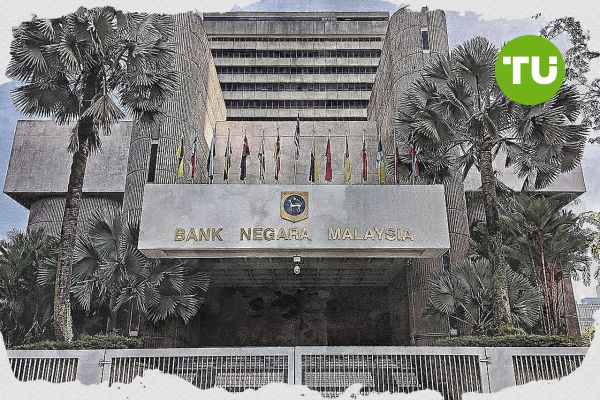
Malaysia central bank, Bank Negara Malaysia (BNM), plans to launch three pilot projects in 2026 involving local currency stablecoins and tokenized deposits. The initiatives will be rolled out under the Digital Asset Innovation Hub (DAIH), a regulatory sandbox designed to test crypto-related innovation.
BNM said on Wednesday that the projects will focus on wholesale payment use cases, both domestic and cross-border.
Among the initiatives is a B2B settlement mechanism in ringgit, the country’s local currency, based on a stablecoin led by Standard Chartered Bank Malaysia and Capital A. Two additional projects involve tokenized deposits for payment transactions, spearheaded by Maybank and CIMB.
The central bank said the testing phase will allow it to assess the implications of such instruments for monetary and financial stability and help shape future regulatory policy. By the end of 2026, BNM intends to provide greater clarity on the use of ringgit-denominated stablecoins and tokenized deposits.
BNM added that the initiatives could be integrated with its ongoing research into central bank digital currencies (CBDCs).
Asia accelerates stablecoin efforts
Malaysia’s plans reflect a broader regional trend. Hong Kong introduced a stablecoin licensing regime last year, with the first issuances expected this year.Singapore is advancing tokenized deposit trials under Project Guardian, while Japan saw the launch of the yen-pegged stablecoin JPYC in late 2025. The country’s three largest banks have also begun joint pilots for corporate stablecoin payments.
Stablecoins emerge as a key trend
Stablecoins remain one of the defining trends in financial markets in recent years. A growing number of major banks and corporations are launching their own projects or testing tokenized payment instruments in an effort to combine the stability of traditional currencies with blockchain-based infrastructure.Among them, PayPal has introduced its own stablecoin, PYUSD, while Visa and Mastercard are piloting stablecoin settlements within their payment networks. Large banks are also expanding into the space: JPMorgan continues to develop its Onyx blockchain platform and tokenized settlement solutions, while HSBC and Standard Chartered are running pilots focused on tokenization and digital assets.
Previously, we reported that discussions on cryptocurrencies at the White House are advancing, though debates over stablecoin profitability continue.











-
 Afghanistan
-
 Albania
-
 Algeria
-
 Angola
-
 Argentina
-
 Armenia
-
 Australia
-
 Austria
-
 Azerbaijan
-
 Bahamas
-
 Bahrain
-
 Bangladesh
-
 Belarus
-
 Belgium
-
 Bolivia
-
 Botswana
-
 Brazil
-
 Brunei
-
 Bulgaria
-
 Cambodia
-
 Cameroon
-
 Canada
-
 Chile
Chile
-
 China
China
-
 Colombia
-
 Congo
Congo
-
 Costa Rica
-
 Cote d'Ivoire
-
 Croatia
-
 Cuba
Cuba
-
 Cyprus
-
 Czechia
-
 DR Congo
-
 Denmark
-
 Dominican Republic
-
 Ecuador
-
 Egypt
Egypt
-
 El Salvador
-
 Estonia
-
 Eswatini
-
 Ethiopia
-
 Finland
-
 France
-
 Georgia
-
 Germany
-
 Ghana
Ghana
-
 Greece
-
 Haiti
Haiti
-
 Hong Kong
-
 Hungary
-
 India
India
-
 Indonesia
-
 Iran, Islamic republic
-
 Iraq
Iraq
-
 Ireland
-
 Israel
-
 Italy
Italy
-
 Jamaica
-
 Japan
Japan
-
 Jordan
-
 Kazakhstan
-
 Kenya
Kenya
-
 Korea
Korea
-
 Kuwait
-
 Kyrgyzstan
-
 Laos
Laos
-
 Latvia
-
 Lebanon
-
 Lesotho
-
 Libya
Libya
-
 Lithuania
-
 Luxembourg
-
 Madagascar
-
 Malaysia
-
 Malta
Malta
-
 Mauritius
-
 Mexico
-
 Moldova
-
 Mongolia
-
 Montenegro
-
 Morocco
-
 Mozambique
-
 Myanmar
-
 Namibia
-
 Nepal
Nepal
-
 Netherlands
-
 New Zealand
-
 Nigeria
-
 North Macedonia
-
 Norway
-
 Oman
Oman
-
 Pakistan
-
 Palestine
-
 Panama
-
 Papua New Guinea
-
 Paraguay
-
 Peru
Peru
-
 Philippines
-
 Poland
-
 Portugal
-
 Puerto Rico
-
 Qatar
Qatar
-
 Reunion
-
 Romania
-
 Rwanda
-
 Saudi Arabia
-
 Serbia
-
 Singapore
-
 Slovakia
-
 Slovenia
-
 Somalia
-
 South Africa
-
 Spain
Spain
-
 Sri Lanka
-
 Sweden
-
 Switzerland
-
 Syria
Syria
-
 Taiwan
-
 Tajikistan
-
 Tanzania
-
 Thailand
-
 Trinidad and Tobago
-
 Tunisia
-
 Turkey
-
 UAE
UAE
-
 Uganda
-
 Ukraine
-
 United Kingdom
-
United States
-
 Uruguay
-
 Uzbekistan
-
 Venezuela
-
 Vietnam
-
 Yemen
Yemen
-
 Zambia
-
 Zimbabwe
- Forex
- Crypto












