
The tweet was deleted by the author.
But we saved everything 🙂.

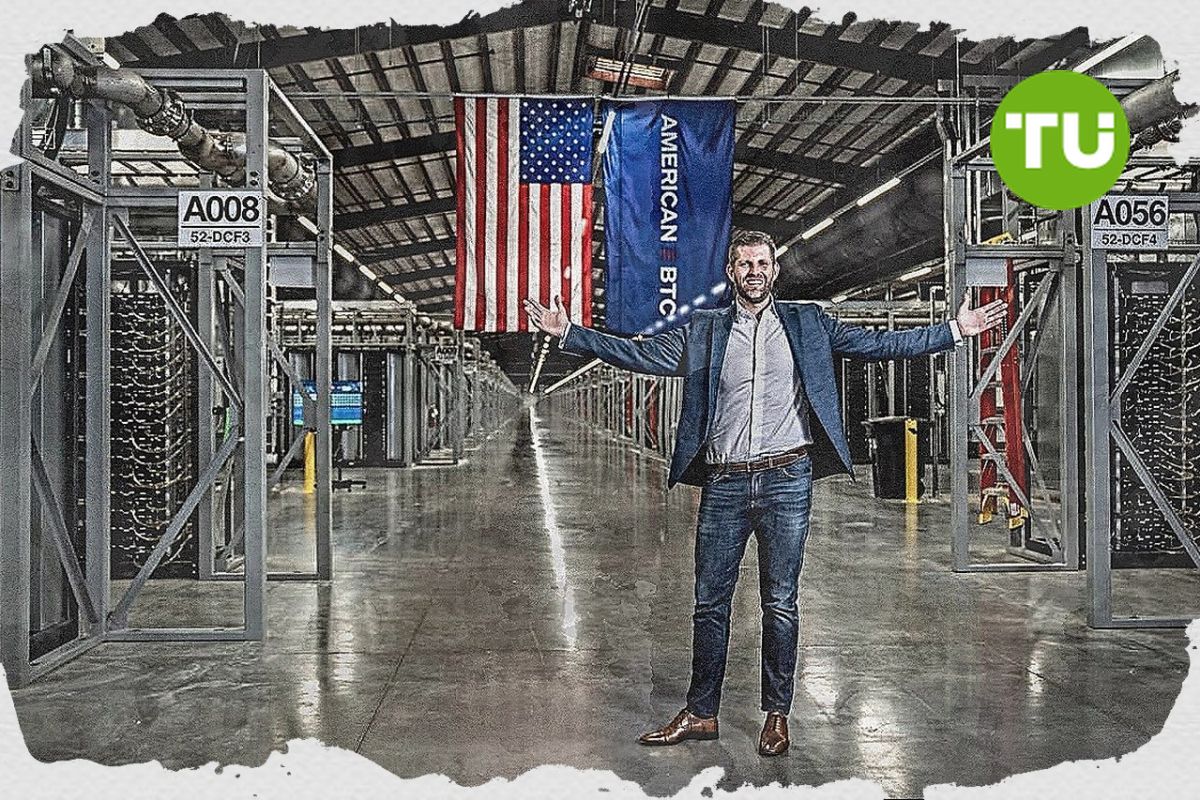
Eric Trump, the son of the U.S. president, sharply criticized major American banks for attempting to restrict stablecoin yields. According to him, such actions deprive consumers of access to more attractive financial products.
In a post on X, he accused JPMorgan Chase, Bank of America, and Wells Fargo of lobbying against initiatives that would allow crypto platforms to pay interest on stablecoin balances.
View post on X Loading...
Trump claimed that the American Banking Association and other lobbying groups are spending millions of dollars to push changes to the CLARITY Act that would ban stablecoin yields of around 4–5%. He also argued that traditional banks offer customers extremely low interest rates on deposits — roughly 0.01–0.05% annually — while receiving about 3.65% from the Federal Reserve.
It is worth noting that Eric Trump is a co-founder of the crypto platform World Liberty Financial, which issues the USD1 stablecoin and the WLFI token. The Trump family’s involvement in the project has previously raised concerns about potential conflicts of interest.
JPMorgan CEO Jamie Dimon previously said that if platforms hold customer funds and pay interest, they should be regulated the same way as banks.
However, Patrick Witt, executive director of the President’s Council of Advisors for Digital Assets, disagreed with this interpretation. He said that paying yield itself does not automatically make a platform a bank — the key issue is whether those funds are used for lending or other financial activities.
Due to disagreements over this issue, the bill has already faced several delays. The White House is currently facilitating talks between banking representatives and crypto firms, but no final compromise has yet been reached.
Earlier, we reported that the White House criticized JPMorgan’s stance on stablecoin yields.


 Afghanistan
 Albania
 Algeria
 Angola
 Argentina
 Armenia
 Australia
 Austria
 Azerbaijan
 Bahamas
 Bahrain
 Bangladesh
 Belarus
 Belgium
 Bolivia
 Botswana
 Brazil
 Brunei
 Bulgaria
 Cambodia
 Cameroon
 Canada
 Chile
Chile
 China
China
 Colombia
 Congo
Congo
 Costa Rica
 Cote d'Ivoire
 Croatia
 Cuba
Cuba
 Cyprus
 Czechia
 DR Congo
 Denmark
 Dominican Republic
 Ecuador
 Egypt
Egypt
 El Salvador
 Estonia
 Eswatini
 Ethiopia
 Finland
 France
 Georgia
 Germany
 Ghana
Ghana
 Greece
 Haiti
Haiti
 Hong Kong
 Hungary
 India
India
 Indonesia
 Iran, Islamic republic
 Iraq
Iraq
 Ireland
 Israel
 Italy
Italy
 Jamaica
 Japan
Japan
 Jordan
 Kazakhstan
 Kenya
Kenya
 Korea
Korea
 Kuwait
 Kyrgyzstan
 Laos
Laos
 Latvia
 Lebanon
 Lesotho
 Libya
Libya
 Lithuania
 Luxembourg
 Madagascar
 Malaysia
 Malta
Malta
 Mauritius
 Mexico
 Moldova
 Mongolia
 Montenegro
 Morocco
 Mozambique
 Myanmar
 Namibia
 Nepal
Nepal
 Netherlands
 New Zealand
 Nigeria
 North Macedonia
 Norway
 Oman
Oman
 Pakistan
 Palestine
 Panama
 Papua New Guinea
 Paraguay
 Peru
Peru
 Philippines
 Poland
 Portugal
 Puerto Rico
 Qatar
Qatar
 Reunion
 Romania
 Rwanda
 Saudi Arabia
 Serbia
 Singapore
 Slovakia
 Slovenia
 Somalia
 South Africa
 Spain
Spain
 Sri Lanka
 Sweden
 Switzerland
 Syria
Syria
 Taiwan
 Tajikistan
 Tanzania
 Thailand
 Trinidad and Tobago
 Tunisia
 Turkey
 UAE
UAE
 Uganda
 Ukraine
 United Kingdom
United States
United Kingdom
United States
 Uruguay
 Uzbekistan
 Venezuela
 Vietnam
 Yemen
Yemen
 Zambia
 Zimbabwe














