
The tweet was deleted by the author.
But we saved everything 🙂.
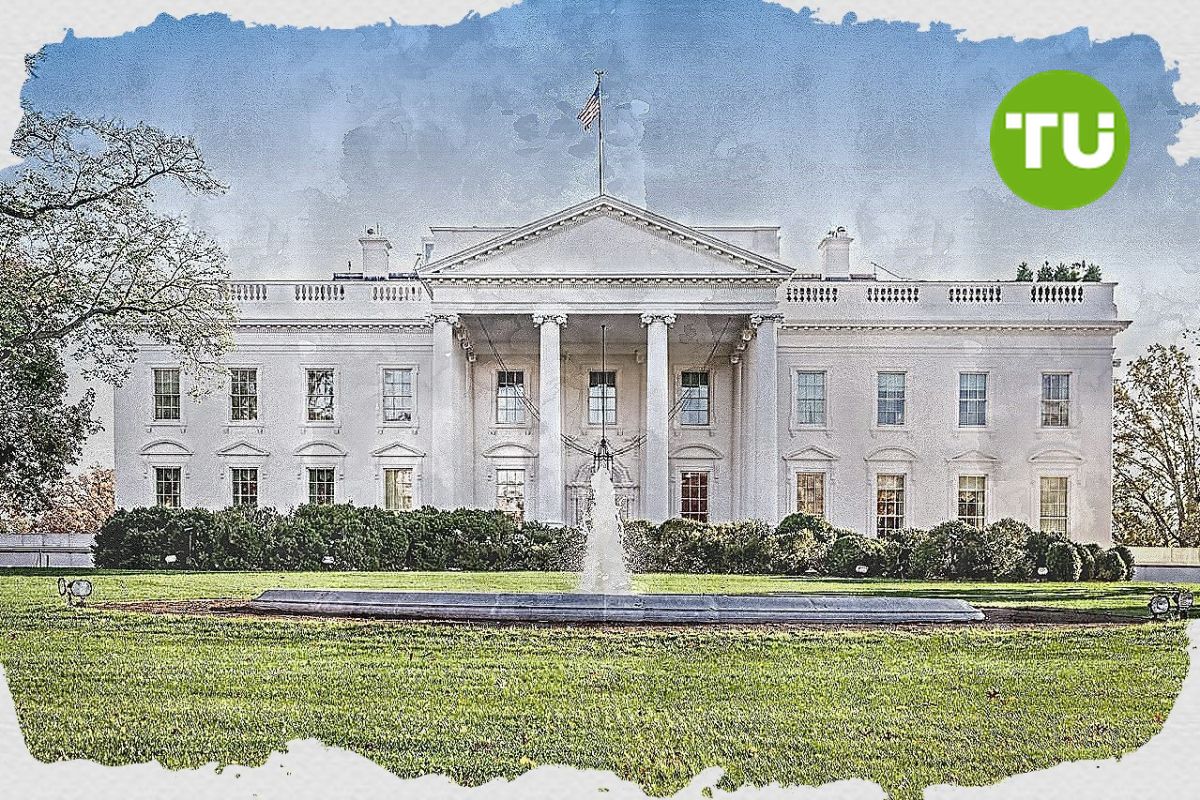
A senior White House advisor on digital assets has criticized recent remarks by JPMorgan CEO Jamie Dimon regarding yield payments on stablecoins. The dispute highlights growing tensions between the banking sector and the crypto industry over how stablecoins should be regulated.
Patrick Witt, executive director of the President’s Council of Advisors for Digital Assets, responded to Dimon’s statement that platforms offering yield on stablecoins should be regulated in the same way as banks. Earlier this week, Dimon said in an interview with CNBC that paying interest on stablecoin balances effectively makes a platform operate like a bank. According to him, institutions that hold customer funds and pay interest should follow the same regulatory rules as traditional banks.
He emphasized that banks must comply with strict requirements, including FDIC deposit insurance, anti-money laundering rules, and capital standards. Therefore, stablecoin issuers offering similar reward structures should face comparable oversight. Patrick Witt disagreed with that interpretation. In a post on X, he said the argument misrepresents the issue and is misleading.
However, the GENIUS Act, adopted in 2025 to regulate payment stablecoins, explicitly prohibits issuers from engaging in such practices. As a result, Witt argues that stablecoin balances should not be treated the same as bank deposits.
Banks fear that yield-bearing stablecoins could draw a significant share of deposits away from traditional banking institutions. Meanwhile, crypto industry advocates argue that properly regulated stablecoins could expand financial opportunities for both consumers and banks.
In recent weeks, the White House has been holding closed-door meetings with executives from both crypto companies and major banks in an attempt to find a compromise. While participants described the discussions as productive, no final agreement has been reached so far.
Earlier, we reported that the White House is seeking to limit stablecoin yields, while the relevant bill has stalled in the Senate.

 Afghanistan
 Albania
 Algeria
 Angola
 Argentina
 Armenia
 Australia
 Austria
 Azerbaijan
 Bahamas
 Bahrain
 Bangladesh
 Belarus
 Belgium
 Bolivia
 Botswana
 Brazil
 Brunei
 Bulgaria
 Cambodia
 Cameroon
 Canada
 Chile
Chile
 China
China
 Colombia
 Congo
Congo
 Costa Rica
 Cote d'Ivoire
 Croatia
 Cuba
Cuba
 Cyprus
 Czechia
 DR Congo
 Denmark
 Dominican Republic
 Ecuador
 Egypt
Egypt
 El Salvador
 Estonia
 Eswatini
 Ethiopia
 Finland
 France
 Georgia
 Germany
 Ghana
Ghana
 Greece
 Haiti
Haiti
 Hong Kong
 Hungary
 India
India
 Indonesia
 Iran, Islamic republic
 Iraq
Iraq
 Ireland
 Israel
 Italy
Italy
 Jamaica
 Japan
Japan
 Jordan
 Kazakhstan
 Kenya
Kenya
 Korea
Korea
 Kuwait
 Kyrgyzstan
 Laos
Laos
 Latvia
 Lebanon
 Lesotho
 Libya
Libya
 Lithuania
 Luxembourg
 Madagascar
 Malaysia
 Malta
Malta
 Mauritius
 Mexico
 Moldova
 Mongolia
 Montenegro
 Morocco
 Mozambique
 Myanmar
 Namibia
 Nepal
Nepal
 Netherlands
 New Zealand
 Nigeria
 North Macedonia
 Norway
 Oman
Oman
 Pakistan
 Palestine
 Panama
 Papua New Guinea
 Paraguay
 Peru
Peru
 Philippines
 Poland
 Portugal
 Puerto Rico
 Qatar
Qatar
 Reunion
 Romania
 Rwanda
 Saudi Arabia
 Serbia
 Singapore
 Slovakia
 Slovenia
 Somalia
 South Africa
 Spain
Spain
 Sri Lanka
 Sweden
 Switzerland
 Syria
Syria
 Taiwan
 Tajikistan
 Tanzania
 Thailand
 Trinidad and Tobago
 Tunisia
 Turkey
 UAE
UAE
 Uganda
 Ukraine
 United Kingdom
United States
United Kingdom
United States
 Uruguay
 Uzbekistan
 Venezuela
 Vietnam
 Yemen
Yemen
 Zambia
 Zimbabwe