
Georgia targets illegal crypto mining in Mestia power grid crackdown
Rising electricity use in Georgia’s mountain municipality of Mestia is prompting a tighter response to crypto mining activity that authorities say is distorting local power demand. Officials say the measures aim to protect energy supply for residents and tourists while preserving free electricity up to a set consumption threshold.
Highlights
- Georgia will install electricity meters in Mestia villages to identify illegal crypto mining, as current consumption reaches 133 million kilowatt-hours in 2025—13 times higher than similar areas.
- Vice Prime Minister Mamuka Mdinaradze estimates illegal mining causes annual financial damage of 20–25 million lari, up to $9.4 million, prompting law enforcement involvement and localized metering.
- Authorities will keep electricity free up to set limits for consumers in Svaneti, targeting only unauthorized mining amid rising grid strain and threats to regional energy stability.
Metering plan and enforcement steps
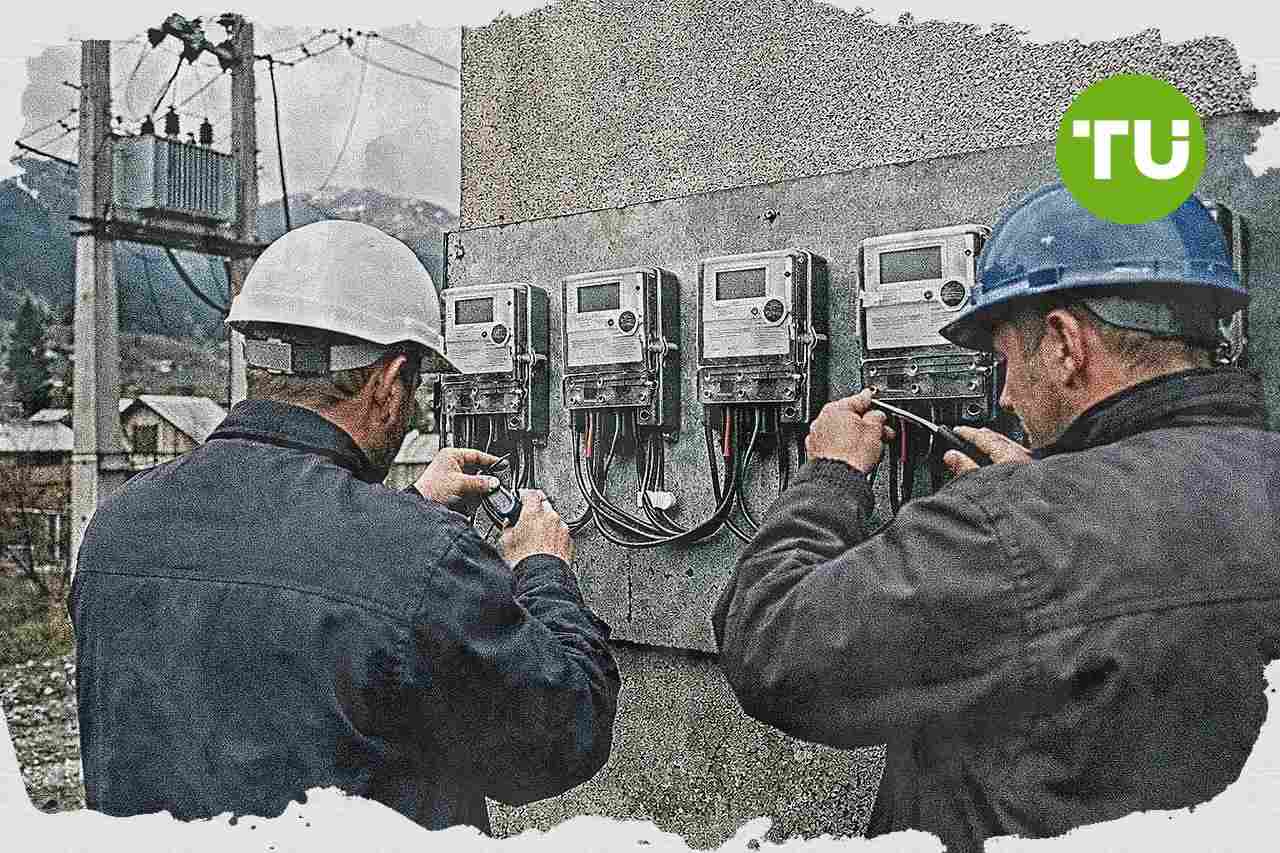
As reported by Cointelegraph, Georgia plans to install electricity meters across villages and settlements in Mestia as part of a wider effort to identify illegal crypto mining operations. Vice Prime Minister Mamuka Mdinaradze says illegal mining pushes the municipality’s electricity consumption to 133 million kilowatt-hours in 2025, more than 13 times the level seen in comparable municipalities.Mdinaradze says large-scale illegal mining is overloading the grid and worsening the region’s energy supply, leading to repeated outages. He adds that law enforcement agencies are also being tasked with identifying the operations behind the excess consumption.
According to Mdinaradze, the additional electricity use causes financial damage of about 20 million to 25 million lari annually, equivalent to as much as $9.4 million. He says metering will be introduced both locally and on a broader settlement-by-settlement basis to help pinpoint the exact sources of illegal mining.
Implications for Georgia’s mining sector
Authorities say electricity in Svaneti will remain free for each consumer up to a predetermined quantity, with the new arrangements designed specifically to curb unauthorized mining rather than end the subsidy altogether. The move highlights the growing pressure on regional utilities as crypto mining demand collides with local infrastructure limits.Georgia remains an attractive location for Bitcoin mining because of cheap electricity supported by abundant hydropower from the Caucasus Mountains. The country also draws miners through low power costs and favorable tax treatment, including free industrial zones and value-added tax exemptions for some crypto-related activities.
That environment has already helped establish industrial-scale mining in the country. Bitfury was among the earliest major entrants, building the 20-megawatt Gori Data Center in 2014.
Our earlier coverage of Rio Tinto’s RIO price outlook focused on the company’s operational upgrades and a $1.5 billion low-carbon aluminium smelter expansion in Quebec, alongside a bullish technical setup. We noted that while momentum indicators favored buyers, several signals pointed to overbought conditions and a higher-volatility consolidation range to watch in the near term.


Latest National Grid News






-
 Afghanistan
-
 Albania
-
 Algeria
-
 Angola
-
 Argentina
-
 Armenia
-
 Australia
-
 Austria
-
 Azerbaijan
-
 Bahamas
-
 Bahrain
-
 Bangladesh
-
 Belarus
-
 Belgium
-
 Bolivia
-
 Botswana
-
 Brazil
-
 Brunei
-
 Bulgaria
-
 Cambodia
-
 Cameroon
-
 Canada
-
 Chile
Chile
-
 China
China
-
 Colombia
-
 Congo
Congo
-
 Costa Rica
-
 Cote d'Ivoire
-
 Croatia
-
 Cuba
Cuba
-
 Cyprus
-
 Czechia
-
 DR Congo
-
 Denmark
-
 Dominican Republic
-
 Ecuador
-
 Egypt
Egypt
-
 El Salvador
-
 Estonia
-
 Eswatini
-
 Ethiopia
-
 Finland
-
 France
-
 Georgia
-
 Germany
-
 Ghana
Ghana
-
 Greece
-
 Haiti
Haiti
-
 Hong Kong
-
 Hungary
-
 India
India
-
 Indonesia
-
 Iran, Islamic republic
-
 Iraq
Iraq
-
 Ireland
-
 Israel
-
 Italy
Italy
-
 Jamaica
-
 Japan
Japan
-
 Jordan
-
 Kazakhstan
-
 Kenya
Kenya
-
 Korea
Korea
-
 Kuwait
-
 Kyrgyzstan
-
 Laos
Laos
-
 Latvia
-
 Lebanon
-
 Lesotho
-
 Libya
Libya
-
 Lithuania
-
 Luxembourg
-
 Madagascar
-
 Malaysia
-
 Malta
Malta
-
 Mauritius
-
 Mexico
-
 Moldova
-
 Mongolia
-
 Montenegro
-
 Morocco
-
 Mozambique
-
 Myanmar
-
 Namibia
-
 Nepal
Nepal
-
 Netherlands
-
 New Zealand
-
 Nigeria
-
 North Macedonia
-
 Norway
-
 Oman
Oman
-
 Pakistan
-
 Palestine
-
 Panama
-
 Papua New Guinea
-
 Paraguay
-
 Peru
Peru
-
 Philippines
-
 Poland
-
 Portugal
-
 Puerto Rico
-
 Qatar
Qatar
-
 Reunion
-
 Romania
-
 Rwanda
-
 Saudi Arabia
-
 Serbia
-
 Singapore
-
 Slovakia
-
 Slovenia
-
 Somalia
-
 South Africa
-
 Spain
Spain
-
 Sri Lanka
-
 Sweden
-
 Switzerland
-
 Syria
Syria
-
 Taiwan
-
 Tajikistan
-
 Tanzania
-
 Thailand
-
 Trinidad and Tobago
-
 Tunisia
-
 Turkey
-
 UAE
UAE
-
 Uganda
-
 Ukraine
-
 United Kingdom
-
United States
-
 Uruguay
-
 Uzbekistan
-
 Venezuela
-
 Vietnam
-
 Yemen
Yemen
-
 Zambia
-
 Zimbabwe
- Forex
- Crypto












