

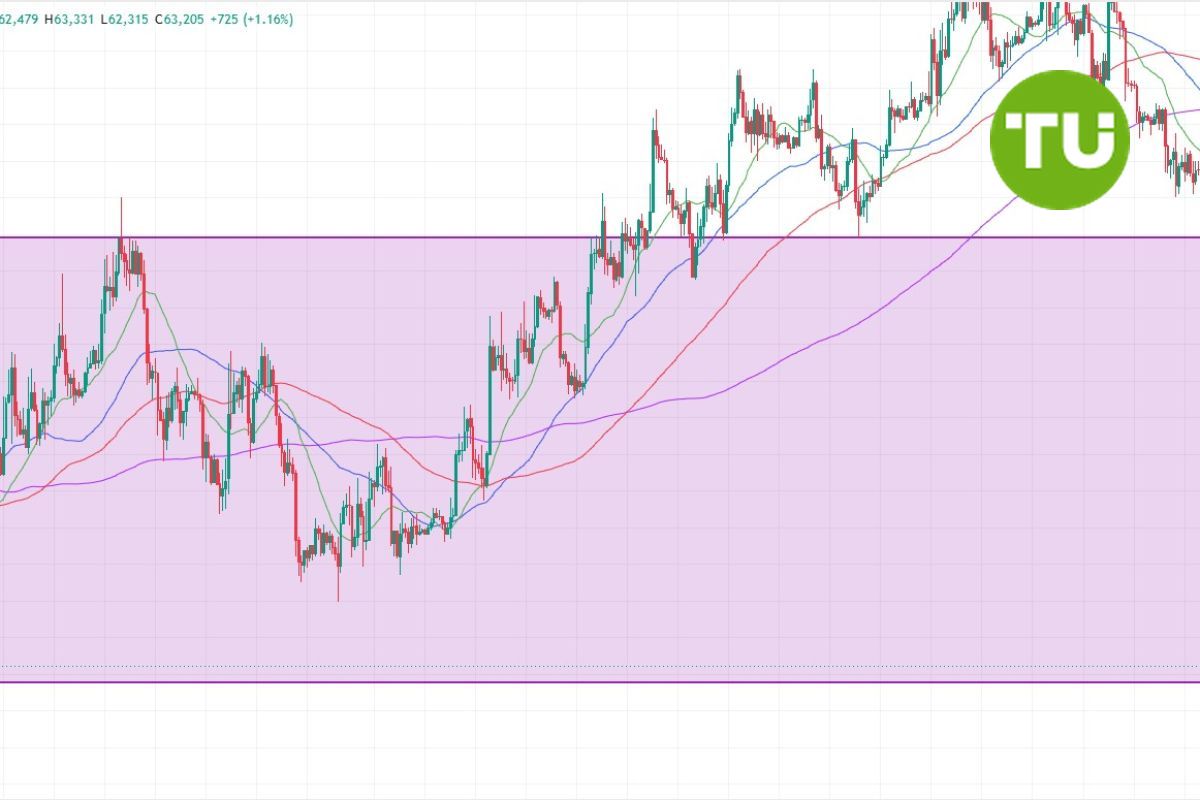
Bitcoin’s decline continues to unfold amid deteriorating sentiment among institutional investors and weakening capital inflows into the cryptocurrency sector. After several months of consolidation, the market has entered a deeper correction phase, with traders increasingly taking profits and reducing exposure to risk assets.

Unlike previous cycles, the key driver at this stage is not retail investor activity but the behavior of large funds and corporations, which account for the bulk of demand through ETFs and corporate treasury allocations.
Institutional demand shows signs of cooling
The main negative factor in recent weeks has been the persistent outflows from spot Bitcoin ETFs in the United States. Following a period of aggressive accumulation earlier this year, these funds have experienced declining investor interest, adding further pressure to the market. Another signal that caught market participants’ attention was Strategy’s first partial Bitcoin sale in a long time. Although the transaction size was limited, the market interpreted it as evidence that even the most committed holders are beginning to adjust to changing financial conditions.
Technical picture points to continued caution
From a market structure perspective, Bitcoin remains in a short-term downtrend. The latest wave of selling was accompanied by rising long-position liquidations and increasing sell-side volume, confirming the dominance of sellers. The $60,000–65,000 range remains the key support zone. Holding this area could help stabilize the market and create a foundation for recovery, while a further breakdown may trigger another wave of selling pressure.
Long-term outlook depends on the return of capital
Despite the current correction, Bitcoin’s long-term fundamentals remain largely unchanged. The limited supply following the halving, ongoing institutional adoption, and the growing integration of digital assets into the traditional financial system continue to support the asset’s investment appeal.
Near-term outlook
In the near term, however, the market remains highly dependent on ETF flows, U.S. macroeconomic policy, and overall investor risk appetite. Until there are clear signs of sustained capital returning to the market, the most likely scenario is continued elevated volatility and cautious, range-bound trading.
A break below $65,000 increases the risk of a decline toward the psychological $60,000 level at a minimum. However, from current levels, a rebound toward the $65,000–67,000 range remains possible. As I noted in Bitcoin drops below key levels as correction evolves into capitulation phase, a return of institutional investors to the market would likely pave the way for a recovery toward the $70,000 level.





Latest Bitcoin News






-
 Afghanistan
-
 Albania
-
 Algeria
-
 Angola
-
 Argentina
-
 Armenia
-
 Australia
-
 Austria
-
 Azerbaijan
-
 Bahamas
-
 Bahrain
-
 Bangladesh
-
 Belarus
-
 Belgium
-
 Bolivia
-
 Botswana
-
 Brazil
-
 Brunei
-
 Bulgaria
-
 Cambodia
-
 Cameroon
-
 Canada
-
 Chile
Chile
-
 China
China
-
 Colombia
-
 Congo
Congo
-
 Costa Rica
-
 Cote d'Ivoire
-
 Croatia
-
 Cuba
Cuba
-
 Cyprus
-
 Czechia
-
 DR Congo
-
 Denmark
-
 Dominican Republic
-
 Ecuador
-
 Egypt
Egypt
-
 El Salvador
-
 Estonia
-
 Eswatini
-
 Ethiopia
-
 Finland
-
 France
-
 Georgia
-
 Germany
-
 Ghana
Ghana
-
 Greece
-
 Haiti
Haiti
-
 Hong Kong
-
 Hungary
-
 India
India
-
 Indonesia
-
 Iran, Islamic republic
-
 Iraq
Iraq
-
 Ireland
-
 Israel
-
 Italy
Italy
-
 Jamaica
-
 Japan
Japan
-
 Jordan
-
 Kazakhstan
-
 Kenya
Kenya
-
 Korea
Korea
-
 Kuwait
-
 Kyrgyzstan
-
 Laos
Laos
-
 Latvia
-
 Lebanon
-
 Lesotho
-
 Libya
Libya
-
 Lithuania
-
 Luxembourg
-
 Madagascar
-
 Malaysia
-
 Malta
Malta
-
 Mauritius
-
 Mexico
-
 Moldova
-
 Mongolia
-
 Montenegro
-
 Morocco
-
 Mozambique
-
 Myanmar
-
 Namibia
-
 Nepal
Nepal
-
 Netherlands
-
 New Zealand
-
 Nigeria
-
 North Macedonia
-
 Norway
-
 Oman
Oman
-
 Pakistan
-
 Palestine
-
 Panama
-
 Papua New Guinea
-
 Paraguay
-
 Peru
Peru
-
 Philippines
-
 Poland
-
 Portugal
-
 Puerto Rico
-
 Qatar
Qatar
-
 Reunion
-
 Romania
-
 Rwanda
-
 Saudi Arabia
-
 Serbia
-
 Singapore
-
 Slovakia
-
 Slovenia
-
 Somalia
-
 South Africa
-
 Spain
Spain
-
 Sri Lanka
-
 Sweden
-
 Switzerland
-
 Syria
Syria
-
 Taiwan
-
 Tajikistan
-
 Tanzania
-
 Thailand
-
 Trinidad and Tobago
-
 Tunisia
-
 Turkey
-
 UAE
UAE
-
 Uganda
-
 Ukraine
-
 United Kingdom
-
United States
-
 Uruguay
-
 Uzbekistan
-
 Venezuela
-
 Vietnam
-
 Yemen
Yemen
-
 Zambia
-
 Zimbabwe
- Forex
- Crypto












