
BlackRock launches space ETF with fast IPO entry
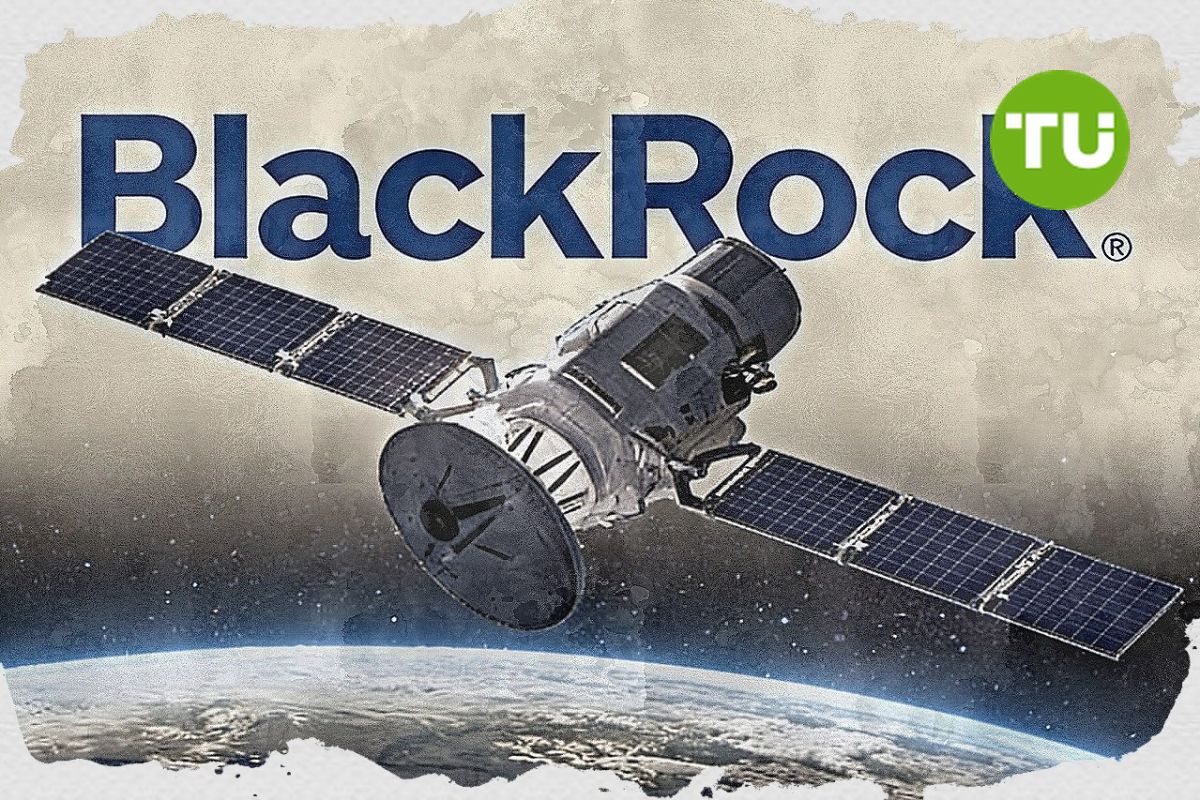
BlackRock is launching a space-focused ETF for European investors with a feature designed for a market shaped by large, closely watched IPOs. The iShares Space Technologies UCITS ETF, trading under the ticker STAR, will be able to add newly listed companies within 10 to 30 days instead of waiting for a standard index rebalance.
Highlights
- BlackRock is launching the iShares Space Technologies UCITS ETF under the ticker STAR.
- The ETF can add newly listed companies within 10 to 30 days.
- Space ETFs have attracted about $8 billion since the start of the year.
The fund tracks an index tied to the global space, satellite, and drone ecosystem, according to BlackRock’s product documents. Its fast-entry mechanism gives the ETF a way to respond quickly when major private space companies come to public markets, Bloomberg reports.
Space investing gains momentum
Bloomberg Intelligence data cited in the report showed that space ETFs have attracted about $8 billion since the start of the year, overtaking defense ETFs and ranking second among 39 ETF themes for net inflows.
BlackRock is not alone in trying to capture that demand. ETF Stream reported earlier that both BlackRock and WisdomTree had filed space-focused ETFs in Europe ahead of Elon Musk’s expected SpaceX listing, reflecting pressure on ETF issuers to build products around high-profile market events.
S&P Dow Jones Indices recently declined to change its rules to allow faster entry for mega-cap IPOs such as SpaceX into the S&P 500. The index provider kept requirements including a 12-month public trading period and profitability standards, even as Nasdaq adopted a more flexible approach for large new listings.
What the IPO mechanism changes
For investors, the key feature of STAR is not simply its focus on space. It is the ability to add new public companies shortly after listing through intra-rebalance reviews. In practice, that could make the ETF more responsive than funds tied to indexes with slower inclusion schedules.
Thematic ETFs often compete on how quickly they can offer exposure to companies linked to a popular trend. SpaceX, if listed as expected, would likely become the central name in the space-investing theme. A delay of months between an IPO and index inclusion could leave funds looking outdated at the exact moment investor interest is highest.
Adding newly listed companies soon after an IPO can increase volatility, especially if valuations are stretched or trading is thin. Fast inclusion may help investors gain quicker exposure, but it can also pull them into the most crowded part of a market story.
The new race for space exposure
BlackRock’s launch shows how asset managers are adapting ETF design to a market where private companies can become public at enormous valuations. Space is no longer treated only as a niche aerospace theme. It now sits at the intersection of satellites, defense, communications, launch services, and private capital.
For BlackRock, it is also a bet that the next stage of space investing will be driven not only by existing listed companies, but by the speed at which ETFs can absorb new public names.
Earlier, we reported that BlackRock deepens its bet on Strategy and Bitcoin holdings.






-
 Afghanistan
-
 Albania
-
 Algeria
-
 Angola
-
 Argentina
-
 Armenia
-
 Australia
-
 Austria
-
 Azerbaijan
-
 Bahamas
-
 Bahrain
-
 Bangladesh
-
 Belarus
-
 Belgium
-
 Bolivia
-
 Botswana
-
 Brazil
-
 Brunei
-
 Bulgaria
-
 Cambodia
-
 Cameroon
-
 Canada
-
 Chile
Chile
-
 China
China
-
 Colombia
-
 Congo
Congo
-
 Costa Rica
-
 Cote d'Ivoire
-
 Croatia
-
 Cuba
Cuba
-
 Cyprus
-
 Czechia
-
 DR Congo
-
 Denmark
-
 Dominican Republic
-
 Ecuador
-
 Egypt
Egypt
-
 El Salvador
-
 Estonia
-
 Eswatini
-
 Ethiopia
-
 Finland
-
 France
-
 Georgia
-
 Germany
-
 Ghana
Ghana
-
 Greece
-
 Haiti
Haiti
-
 Hong Kong
-
 Hungary
-
 India
India
-
 Indonesia
-
 Iran, Islamic republic
-
 Iraq
Iraq
-
 Ireland
-
 Israel
-
 Italy
Italy
-
 Jamaica
-
 Japan
Japan
-
 Jordan
-
 Kazakhstan
-
 Kenya
Kenya
-
 Korea
Korea
-
 Kuwait
-
 Kyrgyzstan
-
 Laos
Laos
-
 Latvia
-
 Lebanon
-
 Lesotho
-
 Libya
Libya
-
 Lithuania
-
 Luxembourg
-
 Madagascar
-
 Malaysia
-
 Malta
Malta
-
 Mauritius
-
 Mexico
-
 Moldova
-
 Mongolia
-
 Montenegro
-
 Morocco
-
 Mozambique
-
 Myanmar
-
 Namibia
-
 Nepal
Nepal
-
 Netherlands
-
 New Zealand
-
 Nigeria
-
 North Macedonia
-
 Norway
-
 Oman
Oman
-
 Pakistan
-
 Palestine
-
 Panama
-
 Papua New Guinea
-
 Paraguay
-
 Peru
Peru
-
 Philippines
-
 Poland
-
 Portugal
-
 Puerto Rico
-
 Qatar
Qatar
-
 Reunion
-
 Romania
-
 Rwanda
-
 Saudi Arabia
-
 Serbia
-
 Singapore
-
 Slovakia
-
 Slovenia
-
 Somalia
-
 South Africa
-
 Spain
Spain
-
 Sri Lanka
-
 Sweden
-
 Switzerland
-
 Syria
Syria
-
 Taiwan
-
 Tajikistan
-
 Tanzania
-
 Thailand
-
 Trinidad and Tobago
-
 Tunisia
-
 Turkey
-
 UAE
UAE
-
 Uganda
-
 Ukraine
-
 United Kingdom
-
United States
-
 Uruguay
-
 Uzbekistan
-
 Venezuela
-
 Vietnam
-
 Yemen
Yemen
-
 Zambia
-
 Zimbabwe
- Forex
- Crypto












