
EU proposes wider crypto restrictions in latest Russia sanctions package

The European Union is moving to tighten financial pressure on Russia by widening restrictions on crypto platforms outside the bloc. The proposed measures are part of a 21st sanctions package that also targets banking, oil trading and other sectors linked to sanctions evasion.
Highlights
- European Commission's new sanctions package proposes extending transaction bans to 20 non-EU entities, including crypto platforms servicing sanctioned Russian actors.
- Proposal may introduce the first full country-level ban on crypto services from non-EU nations with platforms assisting Russian sanctions evasion, signaling heightened regulatory deterrence.
- Chainalysis reported illicit crypto addresses received $154 billion in 2025, with $93.3 billion tied to the ruble-backed stablecoin A7A5 and significant Russia-linked state activity.
Proposed crypto curbs and sanctions scope
As reported by the European Commission, the new package extends transaction bans to 20 non-EU entities, including banks, crypto platforms and oil traders that have been servicing sanctioned Russian individuals and organizations. European Commission President Ursula von der Leyen says the measures focus on high-impact sectors and could, for the first time, include a full country-level ban on crypto services from non-EU countries hosting platforms that help Russia evade sanctions.Von der Leyen says such a step would serve as a deterrent for countries that allow those platforms to operate. The proposal follows earlier indications this year that the EU was considering a broader prohibition on crypto transactions involving Russian entities.
Market context and wider economic pressure
Blockchain analytics firm Chainalysis says illicit crypto addresses received $154 billion in 2025, with Russia-linked activity making up a significant share of state-linked flows. The firm points to $93.3 billion in transaction volume tied to the ruble-backed stablecoin A7A5 as part of that pattern.In February, Elliptic identified five crypto exchanges it says facilitated Russian sanctions evasion by offering channels outside traditional banking oversight. Last month, the UK's Financial Conduct Authority sanctioned HTX, formerly known as Huobi Global, for supporting the Russian government.
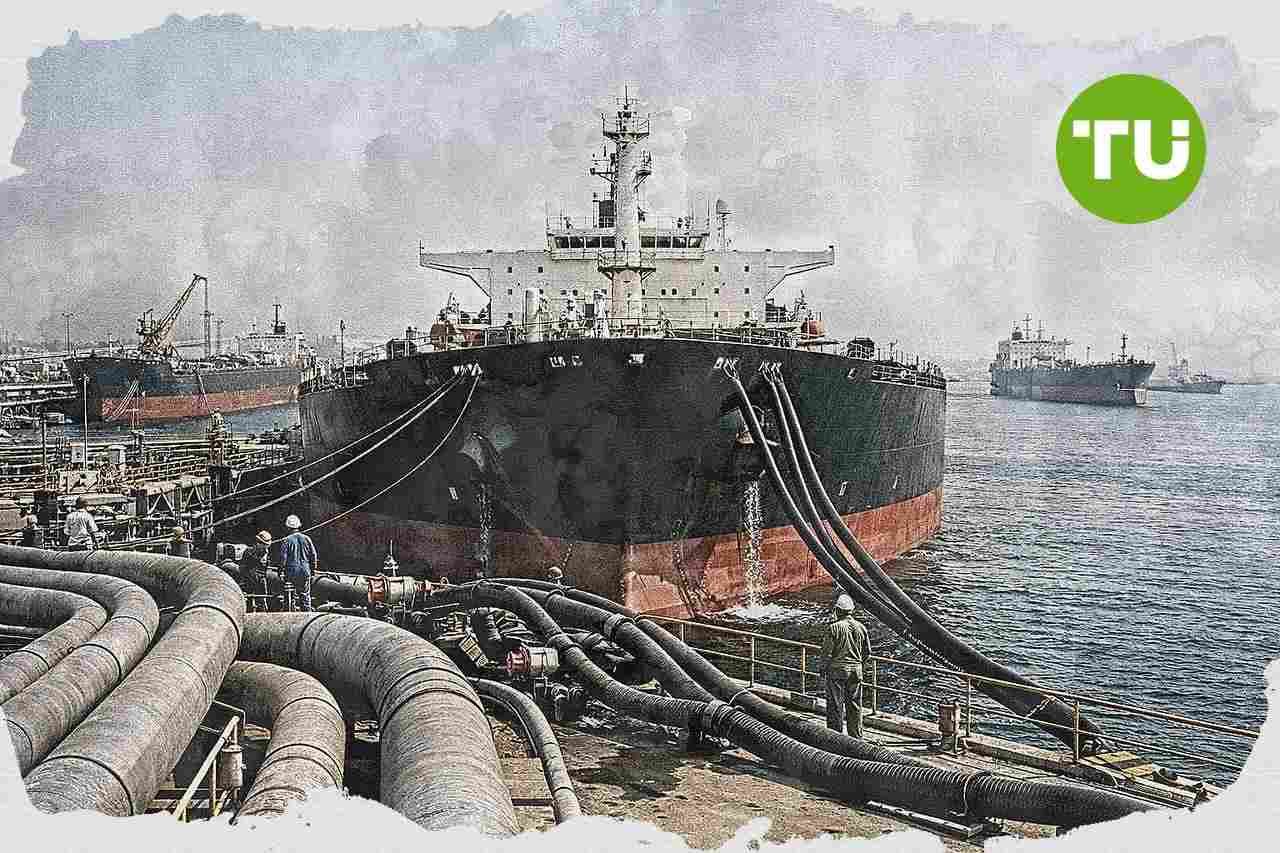
Russia is also preparing a broader crypto regulatory framework expected in July that would create licensed domestic trading platforms. Beyond digital asset restrictions, the EU's 21st package also seeks to widen pressure on Russia's energy and trade sectors by targeting oil vessels and blacklisting Russian fisheries for the first time.
It was previously reported that Senator Shaheen criticized Secretary Rubio for the administration’s sanctions relief on Russia, claiming it enables Moscow to earn billions from oil sales during the Ukraine war.




Latest Sanctions News





-
 Afghanistan
-
 Albania
-
 Algeria
-
 Angola
-
 Argentina
-
 Armenia
-
 Australia
-
 Austria
-
 Azerbaijan
-
 Bahamas
-
 Bahrain
-
 Bangladesh
-
 Belarus
-
 Belgium
-
 Bolivia
-
 Botswana
-
 Brazil
-
 Brunei
-
 Bulgaria
-
 Cambodia
-
 Cameroon
-
 Canada
-
 Chile
Chile
-
 China
China
-
 Colombia
-
 Congo
Congo
-
 Costa Rica
-
 Cote d'Ivoire
-
 Croatia
-
 Cuba
Cuba
-
 Cyprus
-
 Czechia
-
 DR Congo
-
 Denmark
-
 Dominican Republic
-
 Ecuador
-
 Egypt
Egypt
-
 El Salvador
-
 Estonia
-
 Eswatini
-
 Ethiopia
-
 Finland
-
 France
-
 Georgia
-
 Germany
-
 Ghana
Ghana
-
 Greece
-
 Haiti
Haiti
-
 Hong Kong
-
 Hungary
-
 India
India
-
 Indonesia
-
 Iran, Islamic republic
-
 Iraq
Iraq
-
 Ireland
-
 Israel
-
 Italy
Italy
-
 Jamaica
-
 Japan
Japan
-
 Jordan
-
 Kazakhstan
-
 Kenya
Kenya
-
 Korea
Korea
-
 Kuwait
-
 Kyrgyzstan
-
 Laos
Laos
-
 Latvia
-
 Lebanon
-
 Lesotho
-
 Libya
Libya
-
 Lithuania
-
 Luxembourg
-
 Madagascar
-
 Malaysia
-
 Malta
Malta
-
 Mauritius
-
 Mexico
-
 Moldova
-
 Mongolia
-
 Montenegro
-
 Morocco
-
 Mozambique
-
 Myanmar
-
 Namibia
-
 Nepal
Nepal
-
 Netherlands
-
 New Zealand
-
 Nigeria
-
 North Macedonia
-
 Norway
-
 Oman
Oman
-
 Pakistan
-
 Palestine
-
 Panama
-
 Papua New Guinea
-
 Paraguay
-
 Peru
Peru
-
 Philippines
-
 Poland
-
 Portugal
-
 Puerto Rico
-
 Qatar
Qatar
-
 Reunion
-
 Romania
-
 Rwanda
-
 Saudi Arabia
-
 Serbia
-
 Singapore
-
 Slovakia
-
 Slovenia
-
 Somalia
-
 South Africa
-
 Spain
Spain
-
 Sri Lanka
-
 Sweden
-
 Switzerland
-
 Syria
Syria
-
 Taiwan
-
 Tajikistan
-
 Tanzania
-
 Thailand
-
 Trinidad and Tobago
-
 Tunisia
-
 Turkey
-
 UAE
UAE
-
 Uganda
-
 Ukraine
-
 United Kingdom
-
United States
-
 Uruguay
-
 Uzbekistan
-
 Venezuela
-
 Vietnam
-
 Yemen
Yemen
-
 Zambia
-
 Zimbabwe
- Forex
- Crypto











